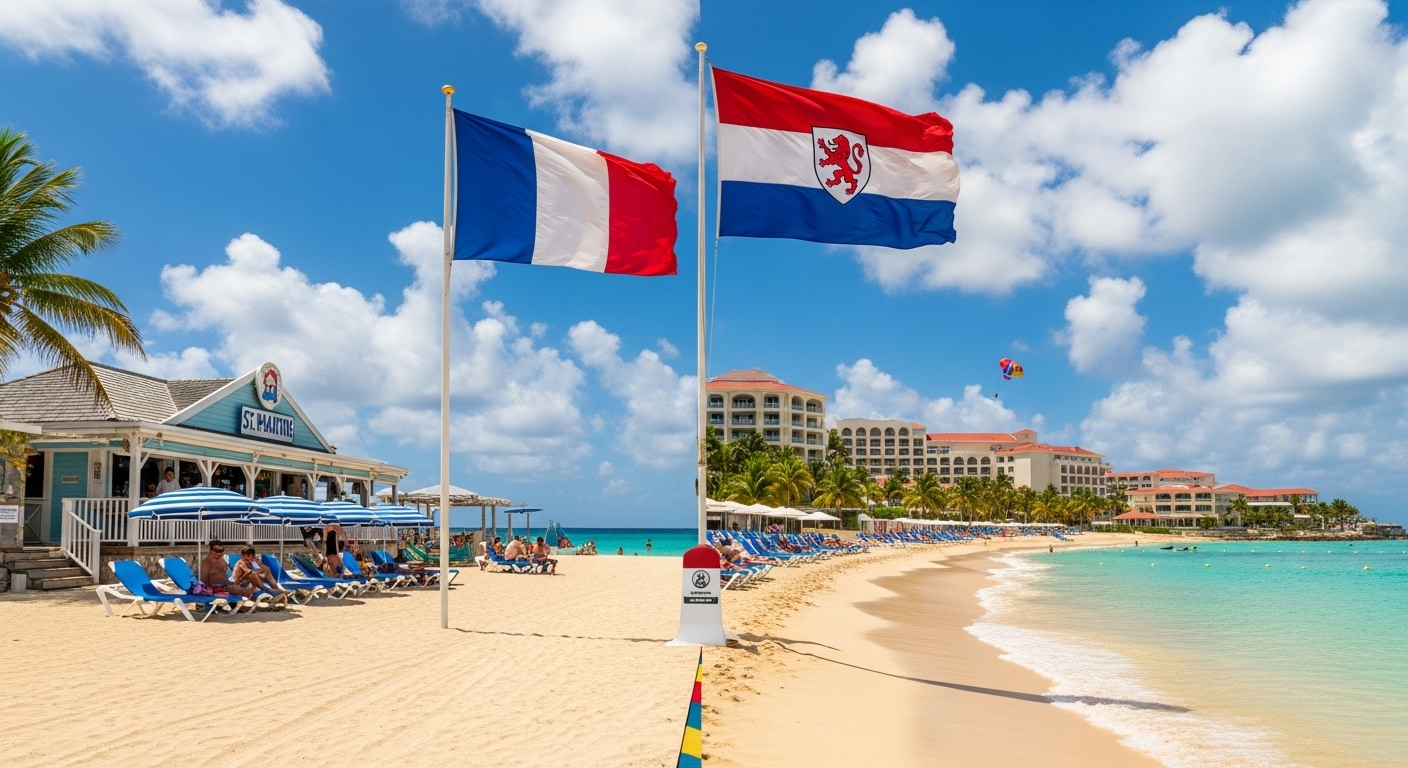
The ocean is often thought of as a natural divider, but some islands challenge that assumption. Across the globe, there are fascinating Islands Shared by Two Nations, where sovereignty is split, cultures mix, and politics meet geography in unexpected ways.
These islands offer a rare glimpse into international cooperation and sometimes quirky disputes. On a small piece of land, two different flags can fly, two currencies might be used, and two legal systems coexist.
Have you ever wondered what it would feel like to step from one country into another without leaving an island?
Why Some Islands Are Shared
Shared islands usually exist because of historical treaties, colonial borders drawn on maps, or agreements to resolve disputes. Geography often complicates ownership, with rivers, reefs, or narrow landmasses making strict division impractical.
Islands Shared by Two Nations serve as examples of compromise, cooperation, and sometimes tension, offering unique opportunities for travelers and historians alike.
St. Martin / Sint Maarten – Caribbean Duality
Perhaps the most famous shared island, St. Martin is divided between France and the Netherlands. The northern half is French (Saint-Martin), and the southern half is Dutch (Sint Maarten).
Despite the international border, the island functions as a cohesive community. Visitors can enjoy French pastries one street and Dutch seafood the next. Beaches, resorts, and culture blend seamlessly, creating a one-of-a-kind travel experience.
For more information, check Visit St. Maarten.
Île aux Cerfs, France & Spain – Tiny but Historically Significant
Some shared islands are smaller and historically strategic. Certain islets in European rivers, such as those in the Pyrenees region, have long been divided between France and Spain.
These territories often have intricate treaties governing fishing, taxation, and navigation. Visitors may not even notice the border while enjoying the natural beauty of these islands.

Pine Island / Ko Chang, Thailand & Cambodia – River Islands in Dispute
Some islands on rivers, like parts of the Mekong or bordering the Gulf of Thailand, are split between two countries. These islands are subject to seasonal flooding, making borders less tangible.
Shared governance can include joint patrols or agreements on agriculture and fishing, highlighting the practical side of cooperation.
Hanedan / Kalapiti, Indonesia & Papua New Guinea – Remote Collaboration
In the Pacific, certain small islands are officially shared or disputed between nations like Indonesia and Papua New Guinea. These islands often host limited populations but are strategically important for maritime navigation.
They also demonstrate how sovereignty can be flexible, adapting to local realities rather than rigid lines on a map.
What It Feels Like to Be on a Shared Island
Walking across a border on a shared island is surreal. One moment you are in one legal system, using one language, and the next moment in another.
Shops may accept two currencies, road signs may switch languages, and even emergency services can be divided. It’s a living geography lesson in cooperation and coexistence.
Have you ever crossed an international border by foot without leaving an island?
Tourism and Shared Islands
Shared islands are tourist magnets because they offer cultural contrast in a small space. Travelers can enjoy multiple cuisines, traditions, and languages within a day.
Airlines such as Air France and KLM connect visitors to Caribbean and European dual-nation islands, making them accessible for curious explorers.

Political and Cultural Implications
Shared islands are more than curiosities; they reflect diplomacy and negotiation. Successful co-governance requires clear treaties, mutual respect, and communication.
For residents, these arrangements affect education, healthcare, taxation, and legal rights. For visitors, they offer a unique opportunity to witness multicultural coexistence firsthand.
Challenges Facing Shared Islands
Despite cooperation, shared islands face challenges. Conflicts over fishing rights, environmental protection, and taxation can arise. Natural disasters like hurricanes or floods may require joint emergency responses.
However, these challenges often strengthen international collaboration and encourage creative solutions.
Why Travelers Love Shared Islands
Shared islands allow you to experience two countries in one trip. You can enjoy diverse food, architecture, and culture in a single day, often without passport checks.
They are also educational. Observing how two nations manage shared territory teaches lessons in diplomacy, compromise, and international law.
How to Visit and Respect These Islands
Travelers should research rules and customs for each side of a shared island. Some areas may have specific entry requirements, cultural practices, or environmental restrictions. Visiting responsibly ensures that both nations benefit from tourism and that natural and cultural heritage is preserved.
Islands Shared by Two Nations are reminders that borders are human constructs. Nature often ignores these lines, while humans must negotiate coexistence.
From Caribbean beaches to European rivers and Pacific atolls, these islands offer adventure, culture, and education. Standing on one, you realize that geography can unite rather than divide.
If unique geopolitical curiosities excite you, follow us on our social media platforms for more incredible destinations. And tell us — which shared island would you want to explore first?
Catch up on the top stories and travel deals by subscribing to our newsletter!