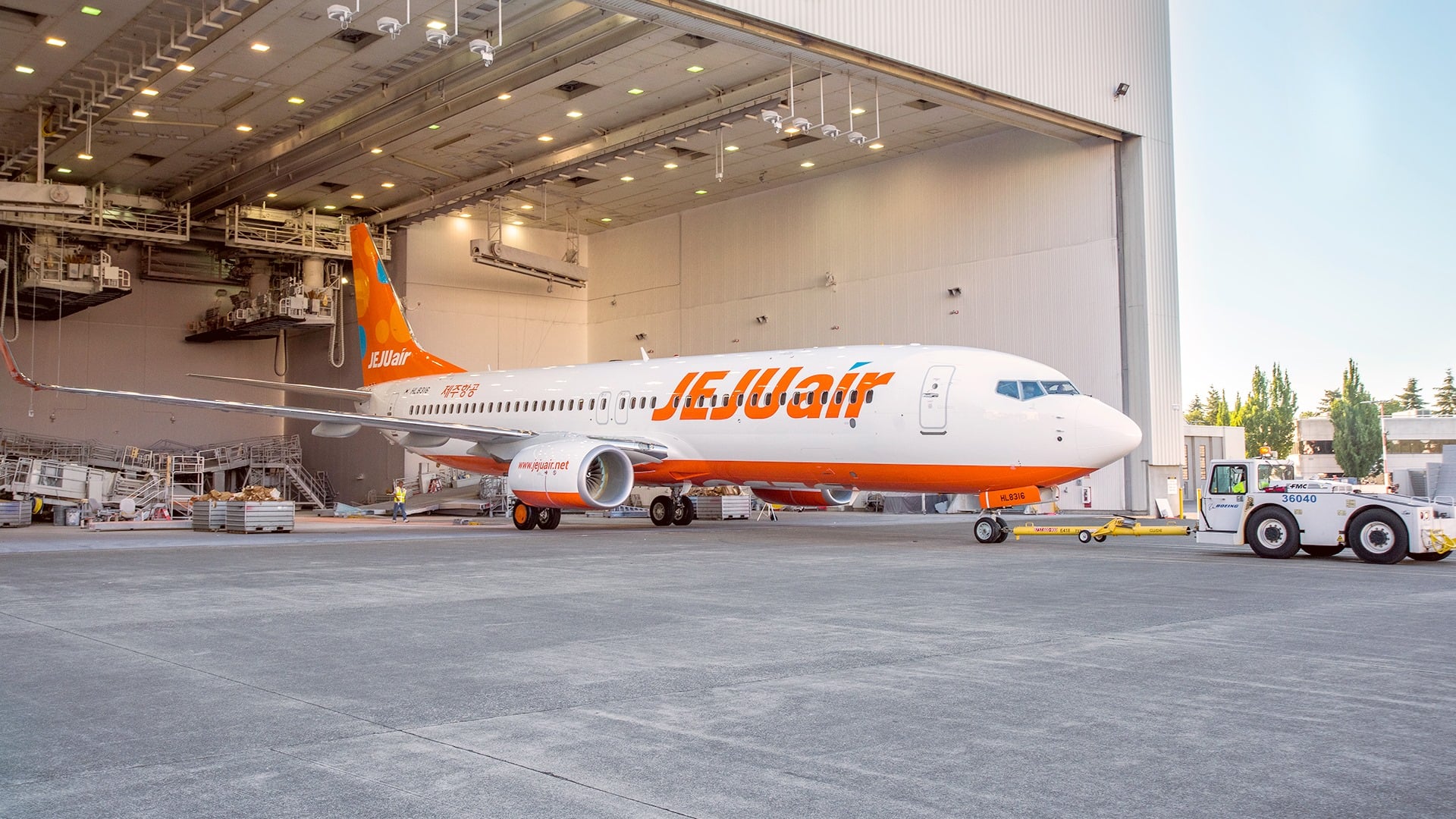
Jeju Air has decided to suspend its Incheon–Guam flights for the first time in 13 years. Consequently, this major decision signals a strategic shift as the airline adapts to evolving travel dynamics. Despite a $10 million incentive, Jeju Air will halt flights until March 2026 because of weak demand and fierce competition.
As a result, Guam’s tourism sector faces another challenge in its slow recovery from the pandemic. Moreover, the island still struggles with reduced visitor numbers, while declining Korean arrivals worsen the situation. Between October 2024 and June 2025, arrivals from Korea dropped by 21%, highlighting the urgency for stronger recovery measures.
Meanwhile, competition among airlines continues to intensify on Guam routes. Korean Air and Jin Air maintain minimum flight levels under regulatory conditions, and this expanded capacity creates an oversupply that pressures profitability. However, recent growth in available seats offers cautious optimism. In fact, seat capacity from Korea exceeded 60,000 in August 2025 because of new schedules and incentive programs.
Additionally, Guam’s tourism authorities are introducing aggressive strategies to offset the impact. They aim to boost marketing efforts, enhance visitor experiences, and leverage technology-driven initiatives. For example, smart tourism tools and AI-based travel planning now promise better engagement for tech-savvy travelers. Therefore, these innovations could strengthen Guam’s position against competing destinations across the Asia-Pacific region.
Although challenges persist, Guam continues to push for reliable air access and sustained momentum in tourism. Furthermore, its combination of airline incentives, destination upgrades, and strategic partnerships reflects a clear commitment to growth.
Related stories:
Catch up on the top stories and travel deals by subscribing to our newsletter!