
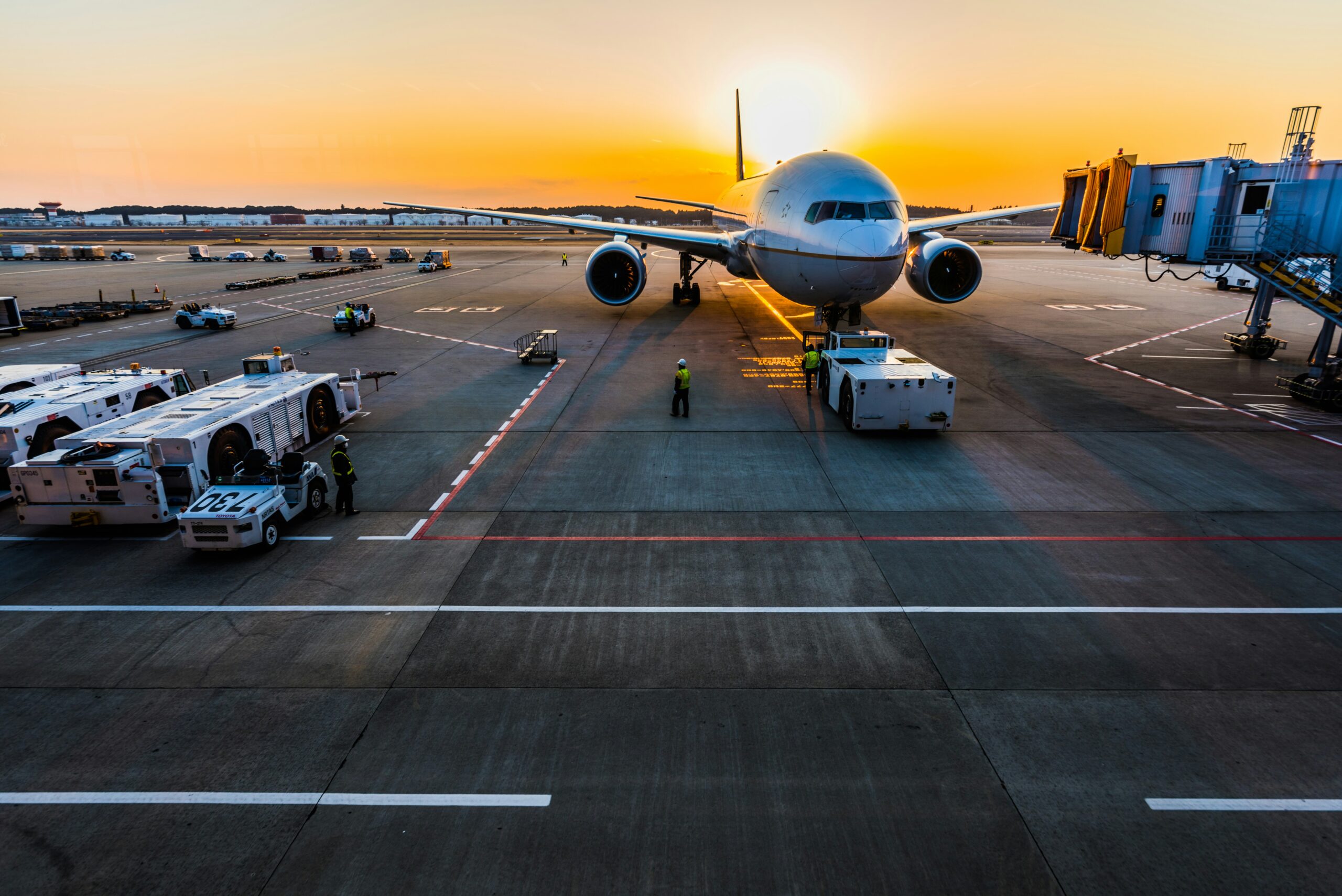
Asia’s airlines face turmoil as fuel spikes; therefore, fares surge across Asia today. Travelers across India and Southeast Asia now feel pressure; meanwhile, airlines adjust prices quickly. Asia’s airlines confront brutal fuel costs; therefore, executives raise fares and review routes. Regional aviation depends heavily on fuel imports; therefore, supply shocks hurt balance sheets.
Conflict around West Asia disrupts tanker routes; meanwhile, crude shipments through Hormuz face danger. Energy traders push jet fuel toward extreme highs; consequently, airlines confront exploding operating expenses. Earlier markets held moderate fuel costs; however, new tensions triggered violent price swings. Many Asian airlines avoid deep hedging strategies; therefore, sudden spikes strike budgets immediately. Governments across the region watch closely; meanwhile, carriers demand tax relief and policy support.
Airlines respond with higher fares; therefore, travelers encounter growing travel costs today. Several carriers adjust fuel surcharges; meanwhile, booking systems reflect rising operational pressure. Long-haul routes absorb early increases; consequently, international passengers notice sharp ticket jumps. Budget airlines struggle hardest; therefore, thin margins magnify each fuel increase. Some operators evaluate fleets; meanwhile, managers consider grounding older aircraft temporarily. Route planners analyze profitability; therefore, weaker routes risk suspension during prolonged fuel stress.
Travel demand still shows resilience; however, steep fares could slow bookings soon. Authorities across Asia discuss relief; meanwhile, policymakers examine fuel taxes and import duties. Some governments consider tariff waivers; therefore, officials aim to stabilize aviation fuel supply. Energy volatility also shakes global aviation; consequently, airlines worldwide revise revenue strategies. Carriers in Pacific markets react quickly; therefore, fare adjustments spread beyond Asia.
Travelers now track prices carefully; meanwhile, airlines constantly tweak schedules and capacity. Industry observers expect turbulence ahead; therefore, Asia’s airlines prepare for prolonged financial pressure. Carriers pursue efficiency plans; meanwhile, executives optimize fleets and reduce unnecessary fuel burn. airlines promote dynamic pricing; therefore, digital systems adjust fares with demand shifts. Travelers may delay trips; however, essential routes still attract steady passenger demand. The crisis reshapes strategy; therefore, Asia’s Airlines rethink growth across volatile energy markets.
Related stories:
Catch up on the top stories and travel deals by subscribing to our newsletter!





Leave a Reply
You must be logged in to post a comment.