Railways are more than just tracks, trains, and stations; they are living monuments of human innovation, engineering, and adventure. Few experiences capture the romance of travel quite like traversing a historic railway line that has endured centuries. Welcome to the captivating world of the oldest railway still in service, where each mile traveled is a step through time, connecting the past with the present.
Imagine boarding a train that has witnessed industrial revolutions, wars, and the rise of modern cities, yet still carries passengers along its original route. The oldest railway still in service isn’t just about nostalgia; it’s a testament to durability, craftsmanship, and the evolution of transportation technology. In this guide, we’ll explore why these railways remain operational, which ones are remarkable enough to travel today, and what makes them a bucket-list experience for history buffs and travel enthusiasts alike.
The Historical Significance of the Oldest Railway
The development of railways transformed societies by shrinking distances and accelerating commerce. Some of the earliest railways were built to transport coal, minerals, or passengers over industrial landscapes, and many eventually became symbols of national pride. The oldest railway still in service tells us about the ingenuity of early engineers who overcame rugged terrain, unpredictable weather, and limited technology to lay tracks that have lasted centuries.
One striking example is the Stockton & Darlington Railway in England, which opened in 1825. While some sections have been modernized, portions of it are still operational today. Travelers on these lines experience a living slice of history, where each bridge, tunnel, and station embodies stories of innovation and endurance.
Engineering Marvels That Have Stood the Test of Time
Early railway engineers faced immense challenges. Bridges had to span rivers without modern materials, tunnels were hand-carved through rock, and tracks were laid on uneven terrain without today’s advanced machinery. The fact that some of these lines continue to operate today is a testament to their remarkable design and construction quality.
The oldest railway still in service showcases the evolution of technology. Original tracks may have been iron, replaced later with steel; steam locomotives have given way to diesel or electric engines, yet the route itself preserves the historical alignment. Traveling these railways is like following the footprints of industrial pioneers who shaped the world.
Experiencing the Oldest Railway Today
Traveling on the oldest railway still in service is not just a journey through geography—it is a journey through time. Many lines retain vintage stations with period architecture, old signal boxes, and sometimes even heritage carriages restored for tourism. The rhythmic clatter of wheels over rails, scenic landscapes passing by, and glimpses of towns that grew alongside the railway all contribute to an unforgettable experience.

Would you prefer a leisurely ride in a restored steam carriage or a faster modern train that follows the same historic path? Both options allow passengers to appreciate history, but each offers a slightly different perspective on the legacy of rail travel.
Notable Railways That Are Still Operational
Here are a few remarkable examples of historic railways that continue to serve passengers:
- Stockton & Darlington Railway, England: Opened in 1825, parts of the original line are still in use, marking it as one of the world’s pioneering passenger railways. Learn more at LNER.
- Mount Washington Cog Railway, USA: Built in 1869, this railway climbs the steep slopes of New Hampshire’s Mount Washington, still operating with original cog technology. Visit thecog.com for tickets and history.
- Ffestiniog Railway, Wales: Opened in 1836, this narrow-gauge line was initially designed to transport slate and now provides scenic passenger services through Snowdonia National Park. Details at Ffestiniog Railway.
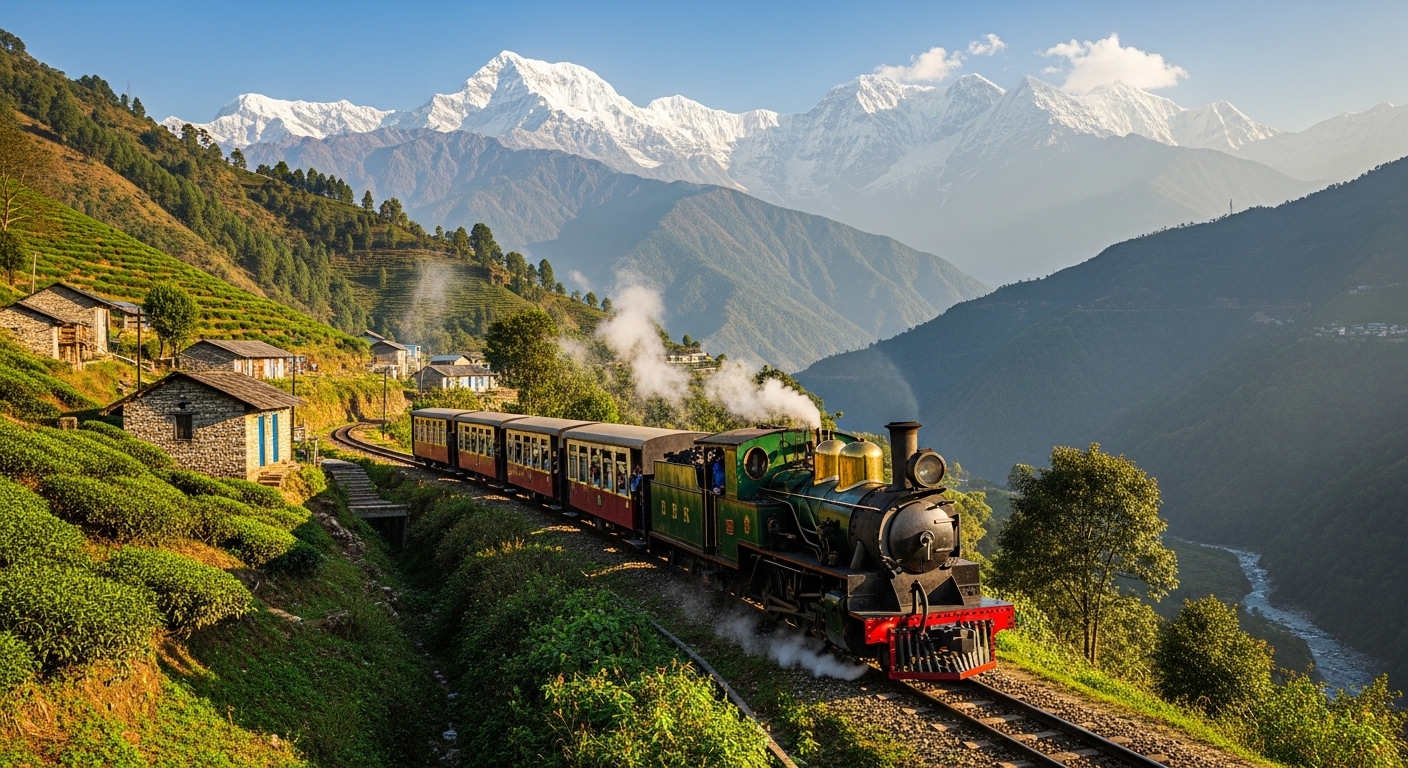
- Darjeeling Himalayan Railway, India: Known as the “Toy Train,” built in 1881, it continues to climb the Himalayas with its narrow-gauge steam engines. UNESCO recognized it as a World Heritage Site. Check schedules at Darjeeling Tourism.
- Semmering Railway, Austria: Opened in 1854, this railway is celebrated for its engineering across challenging alpine terrain and is still operational with modern and heritage trains.

The Thrill of Scenic Journeys
One of the main appeals of traveling the oldest railway still in service is the scenery. Many historic lines traverse landscapes that modern routes bypass: rugged mountains, cascading rivers, coastal cliffs, and quaint villages. Travelers can enjoy panoramic views, photograph historic stations, and watch local life unfold from the comfort of a train carriage.
For instance, the Darjeeling Himalayan Railway offers stunning views of the Kanchenjunga peak, while the Ffestiniog Railway winds past lush valleys and slate quarries, preserving the original charm of industrial Wales. These journeys are a unique combination of adventure, culture, and photography opportunities.
Tips for Traveling on Historic Railways
- Book tickets early, especially for steam or heritage trains, as they often have limited capacity.
- Check the seasonal schedule—some historic railways operate only during certain months.
- Bring a camera or smartphone to capture scenic vistas and architectural details.
- Wear comfortable clothing and consider layers; old carriages can be cool or drafty.
- Read about the history of the line before traveling to enhance your experience.
- Engage with staff—they often share stories and interesting facts about the railway.
Preserving Historic Railways for Future Generations
Maintaining the oldest railway still in service is not without challenges. Track repairs, upgrading infrastructure, restoring historic locomotives, and complying with modern safety regulations all require resources. Many railways rely on heritage trusts, tourism income, and dedicated volunteers to ensure continued operation.
By traveling on these historic lines, visitors contribute to preservation efforts, helping keep a vital part of industrial heritage alive. Have you ever thought about how tourism can help maintain history rather than just consume it?
Why These Railways Inspire Wanderlust
Historic railways allow travelers to experience history in motion. They are immersive classrooms where passengers can see engineering ingenuity firsthand, hear the rhythm of the rails, and witness landscapes that have remained largely unchanged for centuries. The nostalgia, adventure, and cultural significance make these journeys unforgettable.
Would you choose a railway that emphasizes heritage preservation, with restored carriages and stations, or a route that prioritizes speed and modern comfort while still following a historic track? Either choice offers a unique window into the past.
Traveling the oldest railway still in service is more than a sightseeing adventure; it’s a journey into history, culture, and the evolution of human engineering. Whether climbing mountains, winding through valleys, or connecting industrial towns, these railways continue to inspire awe. They remind us of the enduring legacy of rail travel and the timeless allure of adventure along historic tracks.
Which historic railway would you like to travel first? Share your thoughts with us in the comments, and don’t forget to follow WentWorld on our social media platforms for more stories of incredible journeys, hidden travel gems, and cultural exploration.
Catch up on the top stories and travel deals by subscribing to our newsletter!