King Abdulaziz Airport has transformed Saudi Arabia’s global travel role through record growth. Furthermore, King Abdulaziz Airport handled more than fifty million travelers during one year. Consequently, this surge confirms the airport’s rising dominance across international aviation networks. Additionally, Saudi Arabia now attracts business, leisure, and religious travelers through stronger air connectivity. Therefore, King Abdulaziz Airport anchors the Kingdom’s ambitious tourism expansion under Vision 2030.
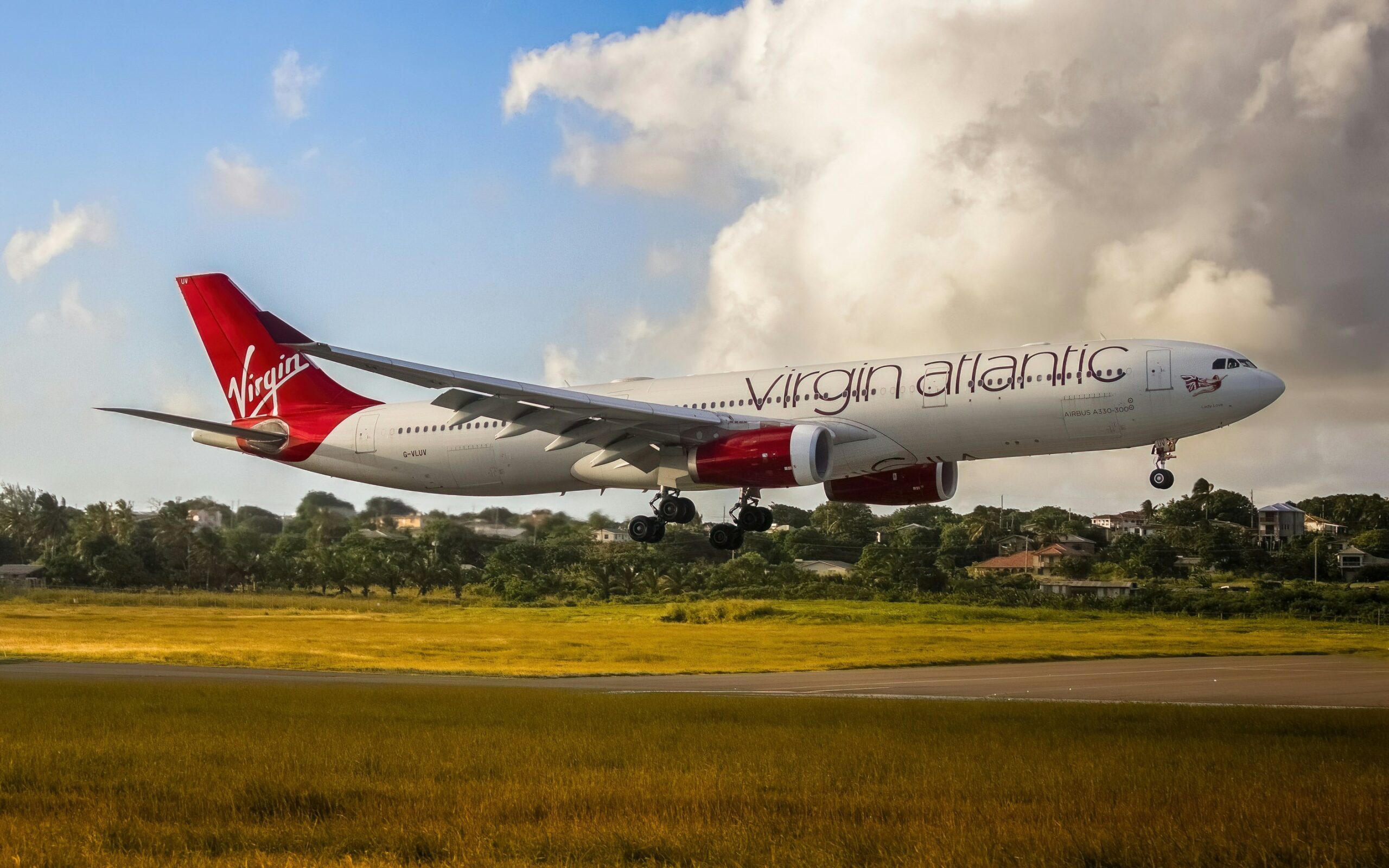
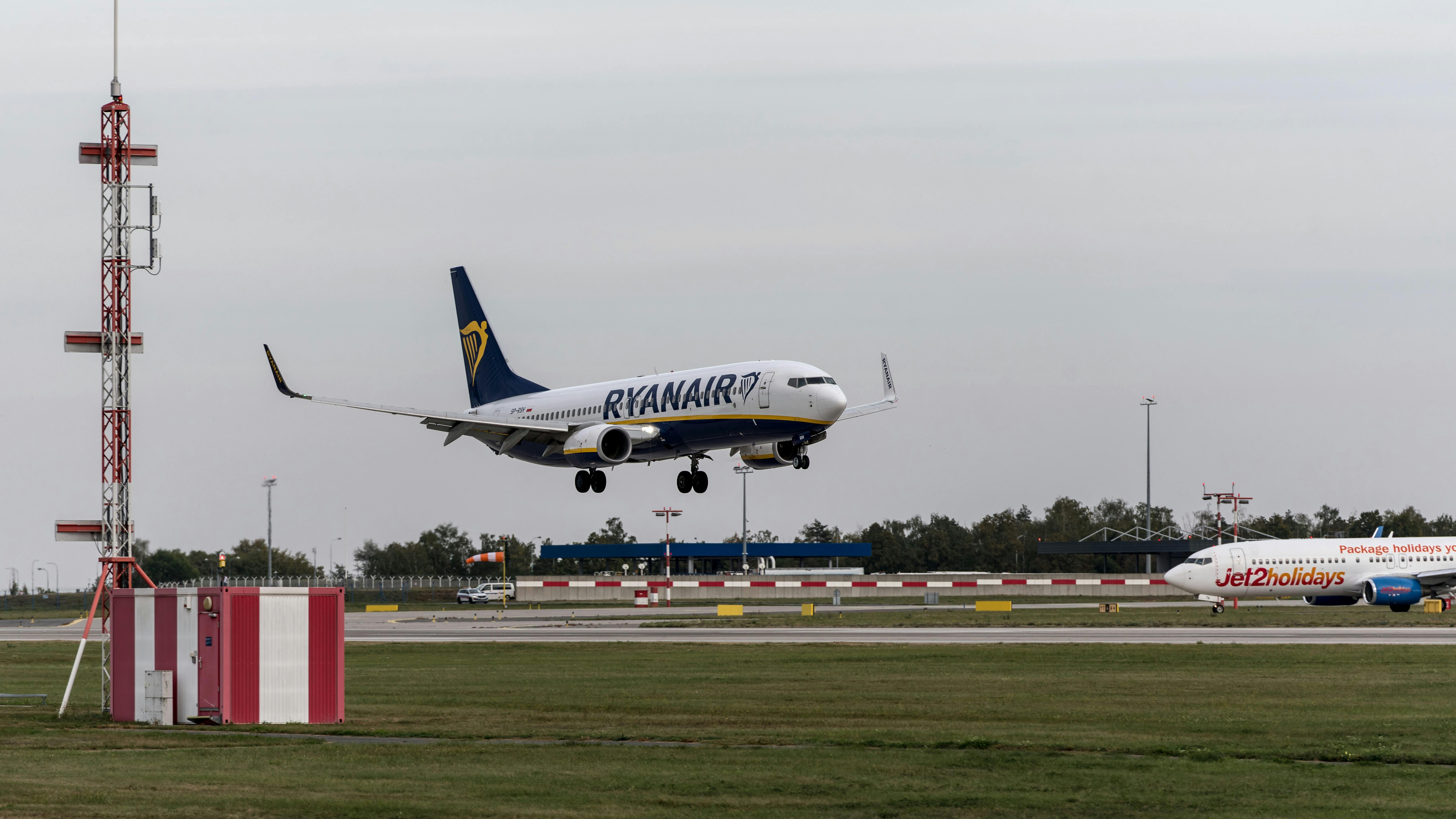
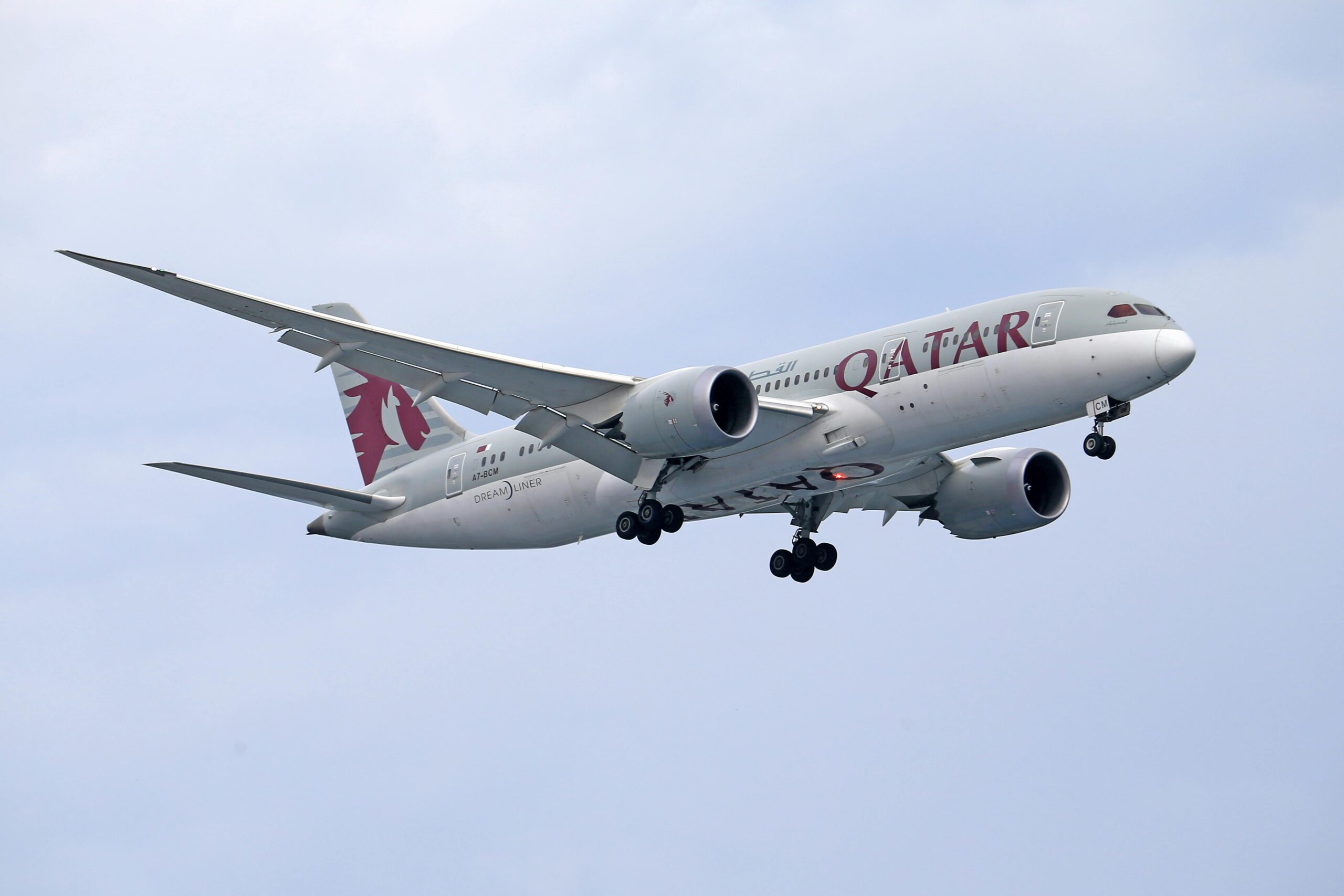
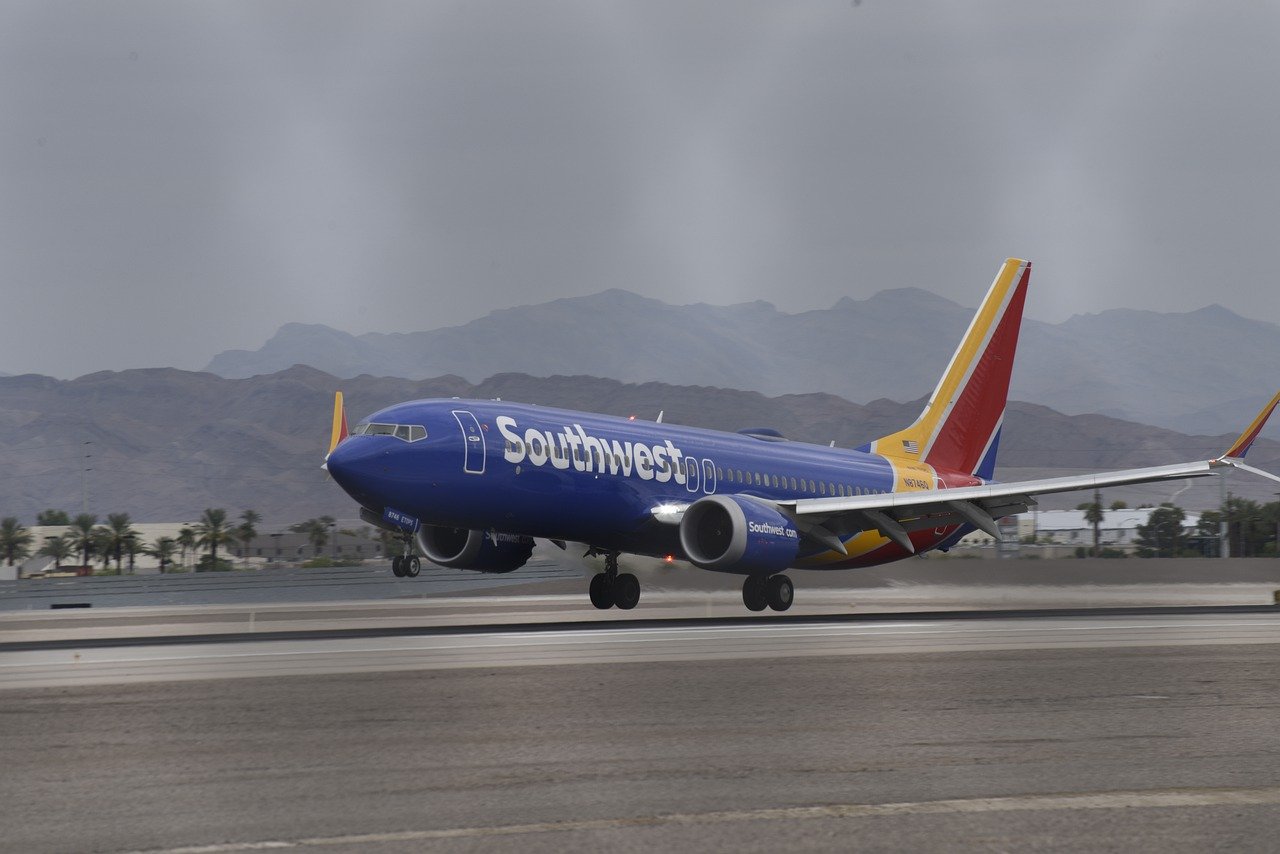
Meanwhile, airlines rapidly expanded operations to match rising passenger demand at King Abdulaziz Airport. Consequently, Saudia increased international capacity to serve growing inbound tourism flows. Additionally, Flynas strengthened regional access through affordable routes and frequent schedules. Moreover, global carriers accelerated expansion strategies to secure market presence in Jeddah. Therefore, Qatar Airways, Emirates, and Turkish Airlines added connections that linked Asia, Europe, and Africa.
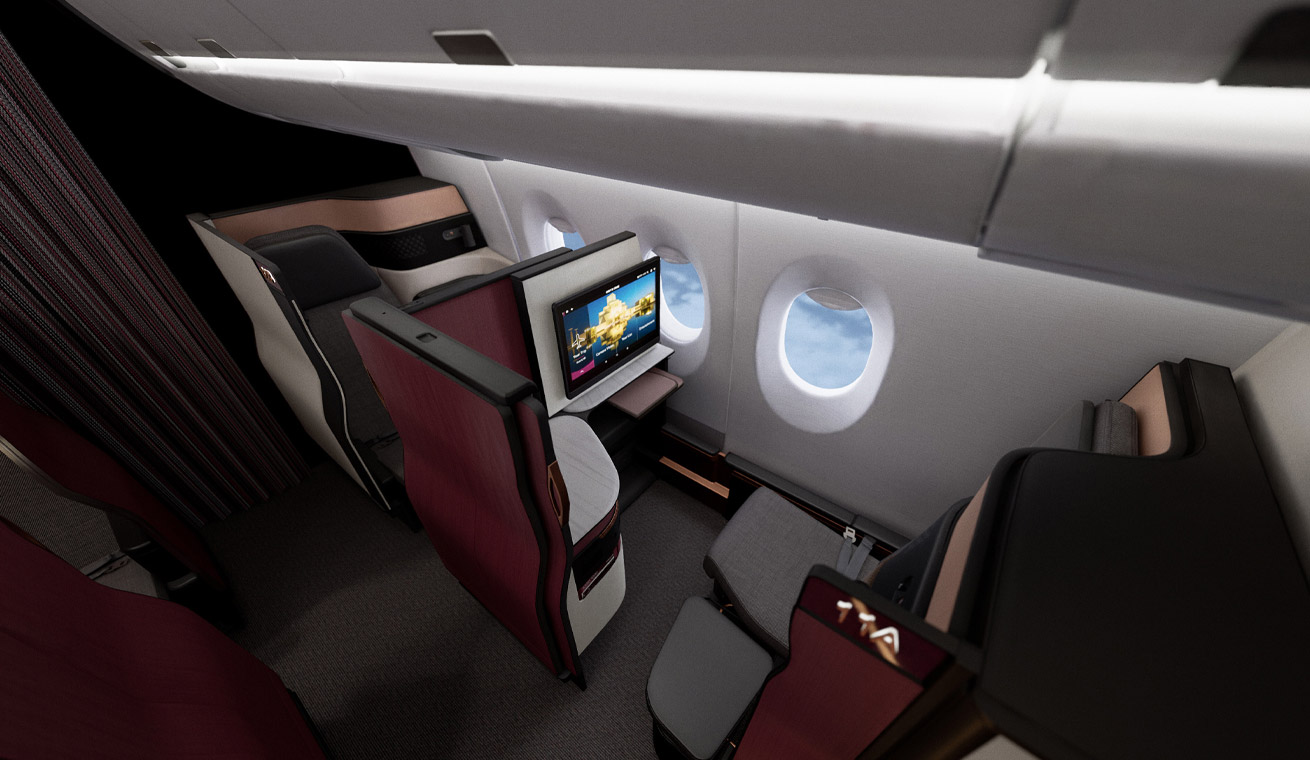
Furthermore, airline competition improved traveler choice and service quality across the region. Consequently, carriers upgraded aircraft, onboard comfort, and ground operations. Moreover, airlines optimized transit efficiency to support smooth connections through Jeddah. Therefore, travelers gained faster journeys and broader destination access through Saudi Arabia. Additionally, this airline momentum reinforced the airport’s hub status.
Meanwhile, tourism infrastructure responded strongly to rising arrival volumes. Consequently, hotel groups expanded accommodation capacity across Jeddah and nearby cities. Moreover, hospitality brands enhanced guest experiences through modern facilities and tailored services. Therefore, tourism operators supported longer stays and diversified visitor activities. Additionally, this hospitality growth supported economic diversification goals.
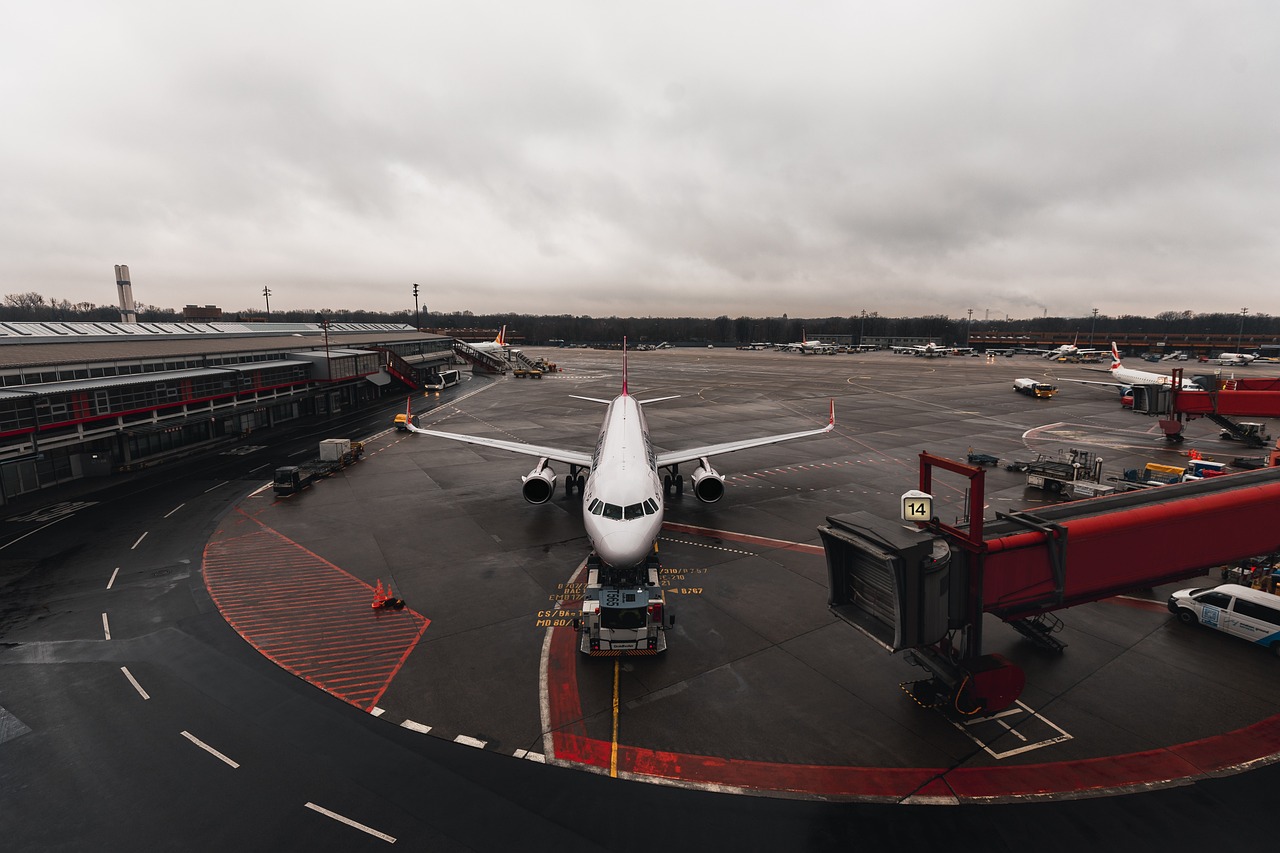
Furthermore, King Abdulaziz Airport invested heavily in terminal upgrades and passenger processing systems. Consequently, travelers experienced smoother security, faster baggage handling, and efficient immigration flows. Moreover, authorities improved digital systems to support high-volume travel periods. Therefore, the airport sustained reliability during peak pilgrimage seasons. Additionally, infrastructure resilience strengthened traveler confidence.
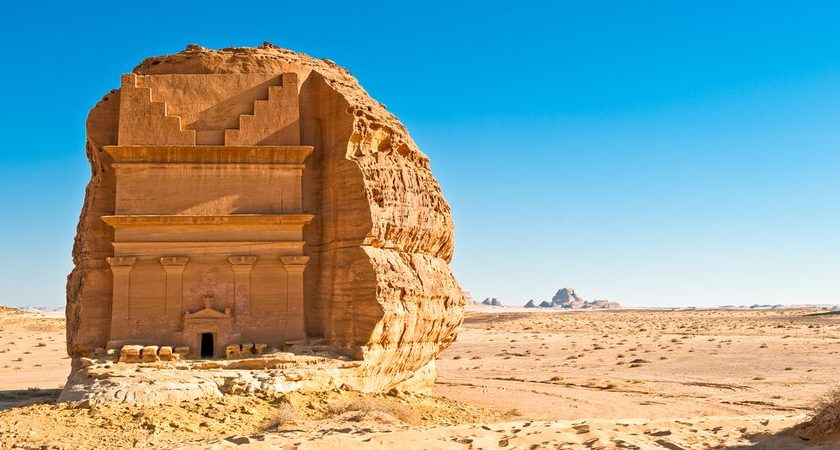
Finally, Saudi Arabia positioned itself as a dynamic tourism destination beyond religious travel. Consequently, visitors explored coastal resorts, heritage landmarks, and modern entertainment districts. Moreover, improved access encouraged repeat visits and longer itineraries. Therefore, King Abdulaziz Airport continues shaping a new tourism era. Additionally, the Kingdom now competes strongly within global travel markets.
Related stories:
Catch up on the top stories and travel deals by subscribing to our newsletter!