Have you ever heard of lakes that vanish entirely, only to magically reappear months later? The phenomenon of lakes that disappear each year and return in season is one of nature’s most fascinating and mysterious spectacles. These seasonal lakes captivate scientists, adventurers, and casual travelers alike, offering a glimpse into the incredible cycles of our planet. But what exactly causes these lakes to disappear, and why do they always come back?
Understanding the Seasonal Rhythm of Disappearing Lakes
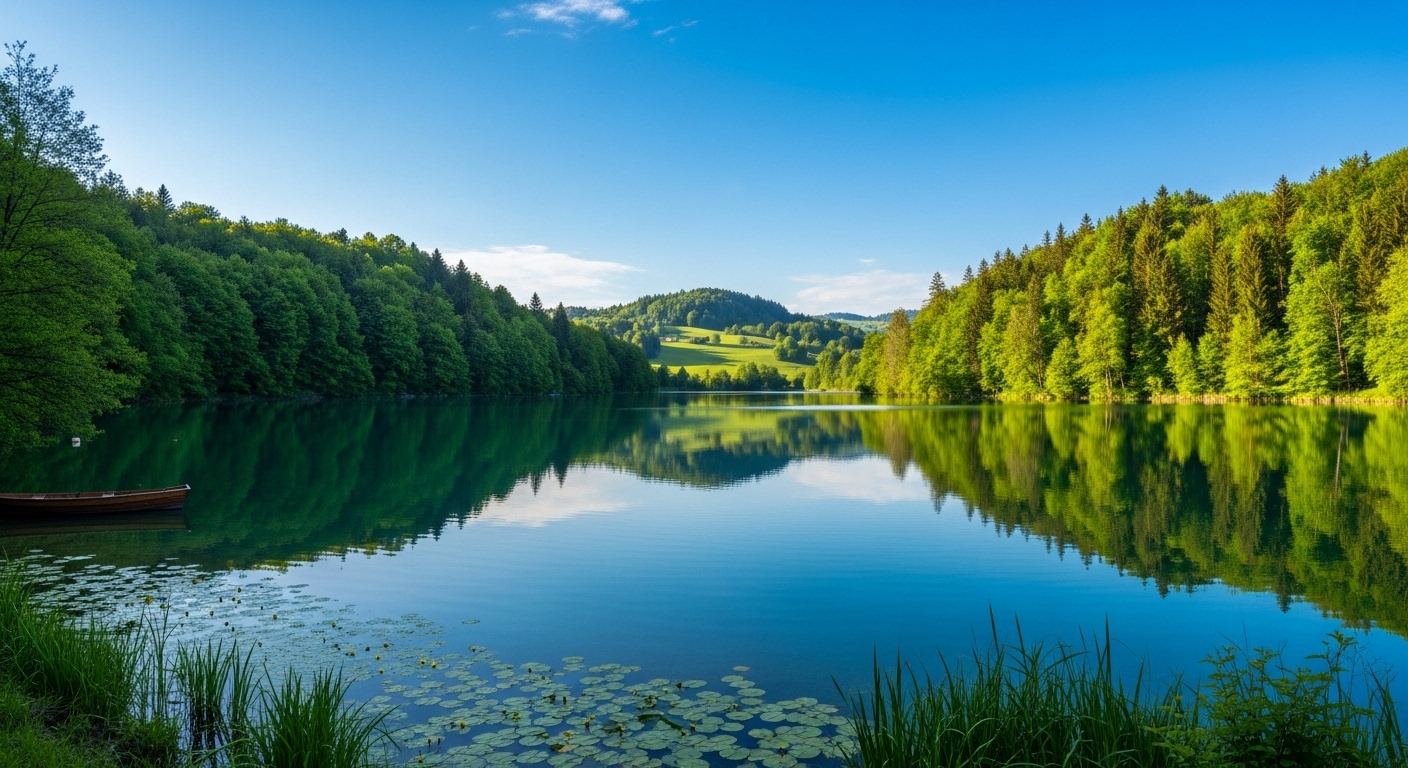
Seasonal lakes, also known as ephemeral or temporary lakes, are bodies of water that fluctuate dramatically with the changing seasons. During the wet season, rainfall, snowmelt, or underground springs fill these basins, creating stunning expanses of water that might span miles. As dry seasons approach, the water gradually evaporates or seeps underground, leaving behind dry lakebeds that often seem otherworldly. It’s as if the lake is taking a short seasonal vacation! This rhythmic ebb and flow are not only mesmerizing but also essential for the surrounding ecosystems.
Why Do Lakes Disappear? The Science Behind the Magic
The disappearance of seasonal lakes is typically caused by a combination of factors such as:
- Evaporation: In hot, dry months, high temperatures can cause large amounts of water to evaporate quickly.
- Subsurface Drainage: Some lakes are connected to underground caverns or porous rock layers. Water may drain into these natural channels during dry periods.
- Climate Patterns: Seasonal rainfall, drought cycles, and snowmelt timing heavily influence whether a lake will appear or vanish.
- Human Activity: In some regions, irrigation, damming, or excessive water extraction can accelerate the disappearance of lakes.
For example, the famous Lake Cerknica in Slovenia completely vanishes in the summer, leaving a dry meadow. When autumn rains arrive, it fills back up, transforming the landscape dramatically.
The Ecological Significance of Seasonal Lakes
Although it might seem strange that a lake could disappear, these ephemeral bodies of water are incredibly important for the environment. The periodic flooding and drying create unique habitats for a wide variety of flora and fauna. Migratory birds, amphibians, and even certain fish species depend on these seasonal lakes to breed and feed. Some plants have adapted to thrive both underwater and on dry soil, making these lakes a true testament to nature’s adaptability.
Have you ever witnessed a lake disappearing and reappearing? How did it make you feel? Nature has a way of reminding us that change is constant, yet beautifully predictable.
Notable Lakes That Disappear and Return
Across the globe, several lakes are famous for their seasonal disappearance. Here are some remarkable examples:
- Lake Cerknica, Slovenia: Known as the largest intermittent lake in Europe, it can disappear completely in summer and return in autumn.
- Lake Eyre, Australia: This massive salt lake in South Australia fills only during rare rain events, creating a spectacle that attracts birdwatchers and photographers.
- Salares de Uyuni, Bolivia: Though mostly famous as a salt flat, it temporarily turns into a shallow, reflective lake during the rainy season.
- Mono Lake, California, USA: Water levels fluctuate dramatically due to seasonal inflows, evaporation, and human intervention.
- Flooded Forest Lakes in Thailand: Many lakes in Southeast Asia flood forests in the rainy season, disappearing again when the waters recede.

How Disappearing Lakes Inspire Local Culture and Tourism
In many regions, these lakes are more than just natural phenomena; they are woven into local culture and folklore. Festivals, seasonal fishing practices, and even art are influenced by the rhythm of these vanishing waters. For travelers, visiting a lake at different times of the year can feel like seeing two completely different worlds — a full, shimmering lake in one season and a vast, dry landscape the next.
Imagine standing on a dry lakebed, feeling the cracked earth beneath your feet, and knowing that in just a few months, the same ground will be underwater again. Isn’t that a humbling reminder of nature’s cycles?
Challenges Facing Seasonal Lakes
Despite their beauty, seasonal lakes face numerous challenges:
- Climate Change: Altered rainfall patterns and extreme temperatures can disrupt natural cycles, causing lakes to remain dry longer or fill unpredictably.
- Pollution: Agricultural runoff and industrial waste can threaten the fragile ecosystems that depend on these lakes.
- Urban Expansion: Encroaching cities and farmland can interfere with natural water inflows, accelerating lake disappearance or preventing refilling.
Protecting these seasonal wonders is essential not only for ecological balance but also for the communities that rely on them. How do you think we can balance tourism, agriculture, and conservation for these lakes? We’d love to hear your thoughts in the comments below.
Experiencing Seasonal Lakes Firsthand
Visiting a disappearing lake can be a life-changing experience. Photographers often chase these lakes to capture the surreal contrast between water-filled splendor and empty lakebeds. Adventurers and hikers enjoy the challenge of exploring areas that are temporarily exposed. Some ecotourism initiatives even focus on educating visitors about the delicate ecosystems and seasonal cycles that make these lakes so special.
Next time you plan a trip, consider timing it to witness a lake’s seasonal transformation. Not only will you capture amazing photos, but you’ll also gain a deeper appreciation for the natural world’s rhythms. And if you’ve ever visited such a lake, share your experience below — what did it feel like to see nature’s disappearing act in motion?
The phenomenon of lakes that disappear each year and return in season reminds us of the planet’s incredible adaptability and cyclical beauty. These lakes are not just water bodies; they are living examples of how ecosystems evolve, adapt, and thrive. They inspire awe, challenge our understanding, and teach us the importance of preserving nature’s delicate balance.
By observing, protecting, and learning from these seasonal wonders, we become part of a larger story — one where humans and nature coexist in harmony. So, next time you see a dry lakebed or a newly filled water body, take a moment to appreciate the incredible journey that water takes each year. Have you ever witnessed such a phenomenon in your own country or during your travels? Share your experiences, insights, and questions with us — we’re eager to hear from you!
Follow us on our social media platforms for more fascinating stories about nature’s wonders, travel adventures, and hidden gems around the world.
Catch up on the top stories and travel deals by subscribing to our newsletter!