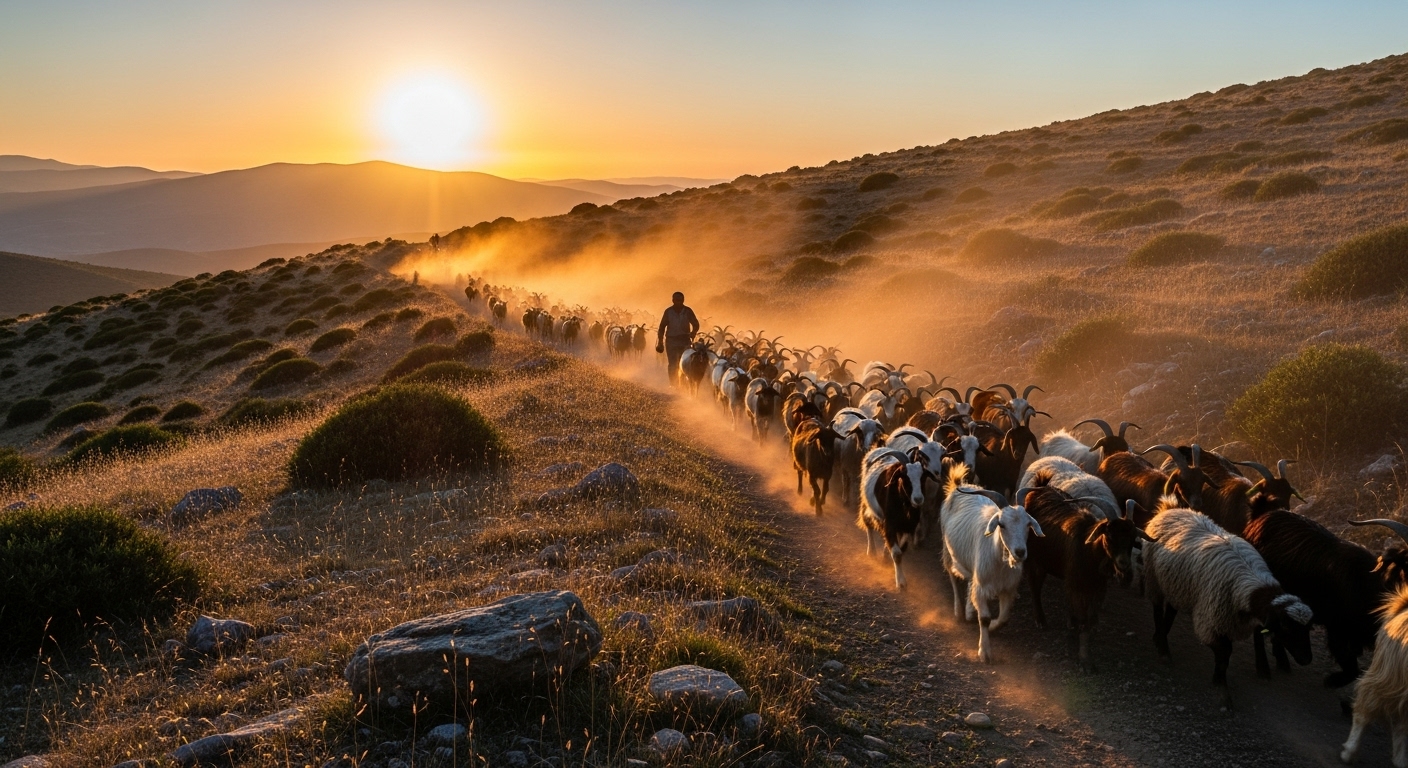
Have you ever wanted to witness a living tradition where nature, culture, and livestock move in harmony with the seasons? Transhumance trails offer exactly that — journeys following the age-old practice of seasonal herd migrations. This fascinating form of pastoralism involves moving livestock, often sheep, cattle, or goats, between summer highlands and winter lowlands. These migrations are not only a practical solution for grazing but a centuries-old cultural heritage that shapes landscapes and communities alike.
Following transhumance trails allows travelers to explore remote mountain passes, rural villages, and sweeping pastures while learning about local customs, traditional knowledge, and sustainable land use. Unlike typical tourist paths, these routes are immersive: you walk alongside shepherds, share in communal meals, and witness the rhythm of life dictated by the seasons. Whether in Europe, Asia, or Africa, transhumance remains a vital practice — and traveling these trails provides a rare chance to experience it up close.
Why Follow Transhumance Trails?
Secular travelers and cultural explorers are increasingly drawn to transhumance trails for several compelling reasons:
- Cultural heritage: Seasonal herd migrations are living traditions preserved over centuries.
- Scenic landscapes: Trails traverse alpine meadows, valleys, rivers, and forests.
- Local engagement: Walkers interact directly with shepherds, learning about livestock management, crafts, and culinary traditions.
- Eco-tourism: Following the herds supports sustainable travel practices, emphasizing slow exploration and low-impact journeys.
Experiencing a transhumance trail is about more than observing animals; it’s about witnessing the cultural ecosystem that has evolved around this seasonal practice, including shepherd songs, communal shelters, and local festivities marking herd departures and arrivals.
1. The Alps, Europe – Switzerland, France, and Italy
Across the European Alps, transhumance remains a visible and celebrated tradition. In Switzerland, for instance, the summer ascent to alpine pastures, known as Alpaufzug, sees cows adorned with floral garlands and brass bells as they climb to high-altitude grazing lands. Villages host festivals where locals and visitors alike celebrate the beginning of the grazing season.
France’s Alps offer similar experiences along the Route des Alpages, with shepherds guiding flocks through mountain passes. Italy’s Trentino-Alto Adige region preserves ancient transhumance paths where hikers can witness sheep and cows moving to lush summer meadows. Staying in mountain huts or small farmhouses allows travelers to enjoy traditional meals like polenta, cheese, and cured meats made from locally grazed animals.
2. Spain – The Pyrenees and Castilla y León
Spain’s highlands feature both large-scale and small-scale transhumance. The Cañadas Reales of Castilla y León are historic drove roads used by shepherds for centuries. These trails are part of a network stretching hundreds of kilometers, connecting lowland winter pastures with summer grazing in the mountains.
Following these trails offers cultural insights, from ancient shepherding songs to regional culinary traditions such as lamb stews and artisanal cheeses. Travelers can stay in rural inns or join guided walks that trace seasonal herd movements, often timed to coincide with festivals celebrating the arrival or departure of livestock.
3. Turkey – Taurus Mountains and Anatolian Highlands
In Turkey, transhumance is still widely practiced in the Taurus Mountains and Anatolian highlands. Shepherds move goats and sheep between lowland winter pastures and highland summer pastures, often navigating steep trails and remote valleys. These migrations are integral to the local economy, supplying milk, cheese, and wool for communities.
Travelers following these trails can stay in village guesthouses, sample traditional dishes like gözleme and fresh yogurt, and witness the rhythm of pastoral life. Local folklore, including stories of legendary shepherds and animal spirits, adds a narrative dimension to the journey.
4. Morocco – High Atlas Mountains
The High Atlas Mountains feature Berber shepherds who practice transhumance with sheep and goats. Seasonal migrations are dictated by altitude, climate, and grazing availability. Villages along the route offer hospitality, often including shared meals of tagine, fresh bread, and goat cheese.
Following these trails provides not just scenic mountain walks but also immersion into Berber culture, crafts, and oral traditions. Travelers may witness communal herding techniques, folk songs, and seasonal festivals marking herd movements.
5. East Africa – Ethiopia and Kenya
Transhumance is also central to pastoralist communities in East Africa, such as the Borana in Ethiopia and Maasai in Kenya. Herders move cattle according to rainfall patterns and pasture availability. Unlike European routes, these trails can be extensive, crossing plains, rivers, and savannahs.

Travelers on these trails gain insight into water management, sustainable grazing practices, and livestock care. Meals often feature fresh milk, blood-based drinks, and traditional stews. The cultural exchange is profound, with opportunities to learn traditional songs, dances, and rites associated with herd movement.
Planning Your Transhumance Adventure
Walking a transhumance trail requires thoughtful planning. Here are some tips:
- Research the season: Timing is crucial. Summer migrations differ from winter migrations, and conditions vary by region.
- Choose your level: Some trails are moderate hikes along pastoral roads, while others involve steep alpine paths.
- Book accommodations early: Farm stays, guesthouses, and mountain huts can fill up during migration periods.
- Travel with guides if necessary: Local guides provide safety, cultural context, and access to regions not easily navigable by tourists.
- Pack appropriately: Sturdy walking shoes, weather-appropriate clothing, and basic first aid are essential.
- Engage with locals: Respect pastoral practices and seek permission before photographing herds or private property.
Experiencing Culture Through Food and Folklore
Transhumance trails are as much about culture as about walking. Meals often revolve around the season’s products: fresh cheese, yogurt, cured meats, honey, and vegetables. Participating in food preparation or sharing meals with shepherds enriches the experience and deepens connections.
Folklore also enriches the journey. Shepherd songs, local legends, and seasonal rituals add layers of meaning to the trails. Travelers often encounter small festivals, communal gatherings, or storytelling sessions marking the arrival or departure of herds. These traditions highlight the social dimension of transhumance, demonstrating the interdependence of humans, animals, and land.
Safety and Comfort on Transhumance Trails
While following seasonal migrations is rewarding, it also requires caution:
- Check weather forecasts and trail conditions.
- Carry sufficient water and snacks, especially in remote areas.
- Be aware of livestock behavior — avoid startling animals.
- Respect local regulations and pastoral property boundaries.
- Prepare for long distances and varying terrains.
We’d love to hear your experiences! Have you walked alongside seasonal herds or participated in cultural festivals associated with pastoral migrations? Which regions offered the most memorable landscapes, food, and stories? Share your experiences in the comments and help fellow travelers discover the unique rhythm of life along transhumance trails. Follow us on our social media platforms for more travel inspiration, cultural guides, and offbeat adventures around the world.
Catch up on the top stories and travel deals by subscribing to our newsletter!