History has a way of hiding its most remarkable stories beneath layers of earth and time. Across continents, archaeologists have uncovered cities that were once lost to memory, offering a rare glimpse into ancient civilizations. Exploring ancient cities buried and rediscovered by archaeologists allows travelers and historians alike to experience human ingenuity, cultural evolution, and architectural marvels that predate modern records.
These cities were often forgotten due to natural disasters, invasions, or gradual abandonment. Yet, when uncovered, they reveal complex urban planning, trade networks, and art that challenge assumptions about the past.
Have you ever wondered what life was like thousands of years ago, or how entire civilizations could vanish only to reemerge centuries later? Let’s explore some of the most fascinating examples of ancient cities buried and rediscovered by archaeologists and the stories they tell.
Mohenjo-daro – Pakistan
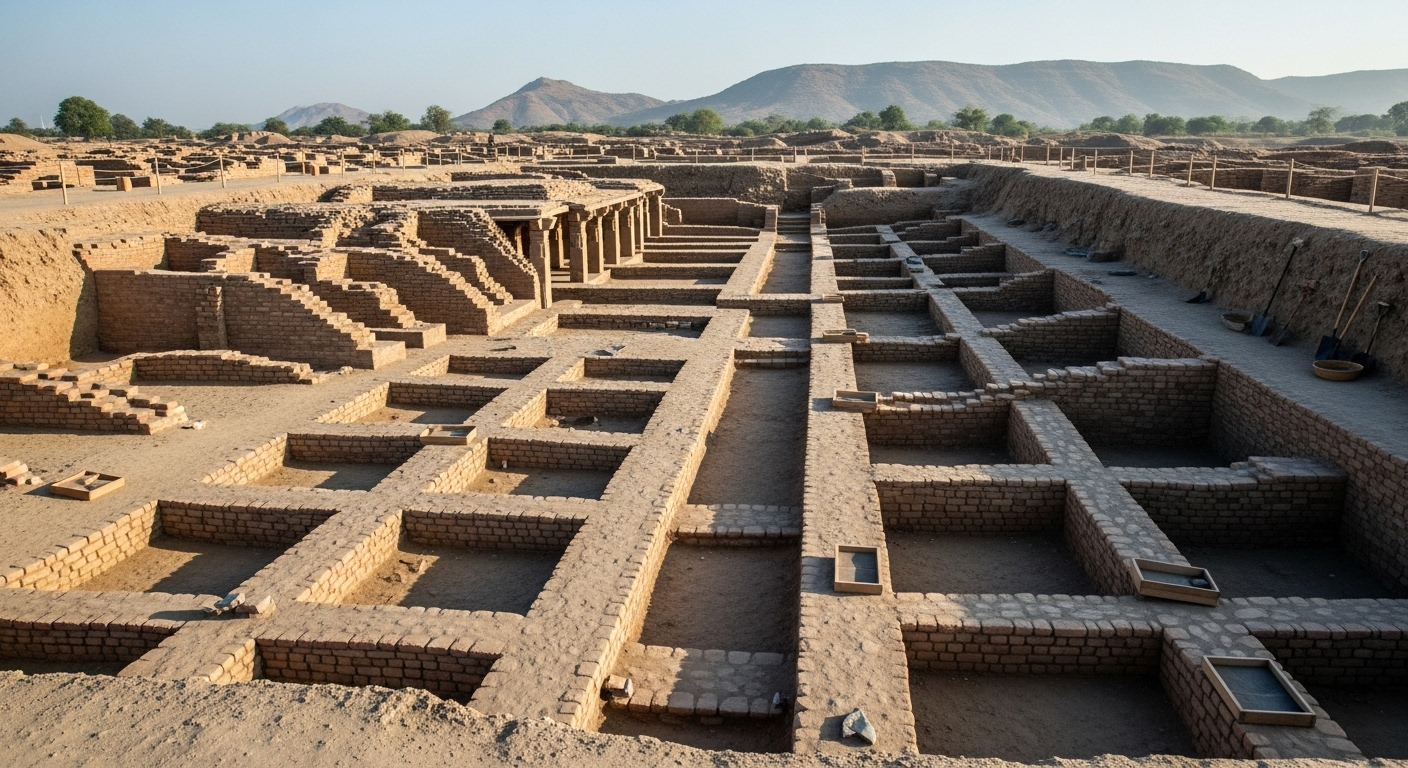
One of the most significant urban settlements of the Indus Valley Civilization, Mohenjo-daro, was rediscovered in the 1920s. Built around 2500 BCE, the city reveals advanced urban planning, including grid streets, drainage systems, and public baths.
Excavations uncovered residential compounds, marketplaces, and ceremonial structures. Mohenjo-daro demonstrates that urban sophistication existed long before other known civilizations in the region. Archaeologists continue to study the site, piecing together insights into trade, governance, and daily life.
More information about Mohenjo-daro can be found at UNESCO World Heritage.
Pompeii – Italy
Pompeii, buried by the eruption of Mount Vesuvius in 79 CE, lay hidden under volcanic ash for centuries. Rediscovered in the 16th century, systematic excavations began in the 18th century, revealing an entire Roman city frozen in time.
The ash preserved houses, frescoes, streets, and even human forms, offering an unprecedented look at Roman life. Pompeii demonstrates both the fragility of human settlements and the resilience of archaeological preservation.
Visitors today can walk ancient streets, exploring amphitheaters, villas, and temples, truly stepping into a moment from two millennia ago. Learn more at Italia Tourism.

Petra – Jordan
Known as the “Rose City,” Petra was carved into sandstone cliffs and served as a thriving trade hub. Abandoned in the 7th century CE, it remained largely unknown to the outside world until rediscovered by Swiss explorer Johann Ludwig Burckhardt in 1812.
The city features intricate facades, monumental tombs, and advanced water management systems. Petra illustrates how ingenuity and natural resources combined to create sustainable urban centers in arid environments.
More details about Petra are available at Visit Jordan.
Angkor – Cambodia
The Khmer Empire’s capital, Angkor, flourished between the 9th and 15th centuries. Overgrown by dense jungle and largely forgotten by the world, it was gradually rediscovered by explorers and archaeologists in the 19th century.
Angkor Wat, Bayon, and Ta Prohm are part of a vast complex of temples, reservoirs, and city structures. The intricate bas-reliefs, hydraulic engineering, and monumental architecture highlight both spiritual devotion and societal organization.
Angkor demonstrates how environmental change and human activity can obscure entire civilizations. Learn more at Cambodia Tourism.

Çatalhöyük – Turkey
Çatalhöyük is one of the world’s earliest urban centers, dating back to 7500 BCE. Rediscovered in the 1950s, this Neolithic settlement provides insight into early human life, domestic organization, and art.
The site features tightly packed houses with shared walls, complex murals, and burial customs that reveal social structures and belief systems. Excavations have transformed understanding of how early humans transitioned from nomadic lifestyles to settled communities.
More information is available at UNESCO World Heritage.
Akrotiri – Greece
The Minoan city of Akrotiri on Santorini was buried by volcanic ash around 1600 BCE. Rediscovered in the 1960s, it remains remarkably well-preserved, with multi-story buildings, frescoes, and sophisticated drainage systems.
Akrotiri offers a vivid snapshot of Minoan culture, commerce, and architecture. Its preservation allows archaeologists to study societal organization, trade networks, and artistic traditions that shaped Aegean civilizations.
Learn more about Akrotiri at Visit Greece.
Why These Discoveries Matter
Rediscovered cities provide more than historical trivia. They offer a lens into human creativity, resilience, and adaptation. Each excavation deepens knowledge of urban planning, societal hierarchies, art, and cultural exchange.
Visitors to these sites gain an appreciation for the continuity of human endeavor. By walking ancient streets and exploring preserved structures, we connect with people who lived thousands of years before us.
Responsible Archaeological Tourism
While visiting ancient cities, it is important to support preservation efforts. Follow site guidelines, avoid touching fragile artifacts, and consider guided tours led by local experts. Responsible tourism ensures that ancient cities buried and rediscovered by archaeologists remain accessible for future generations while protecting cultural heritage.
Ancient cities buried and rediscovered by archaeologists remind us that history is layered beneath our feet. From Mohenjo-daro to Angkor, these sites reveal human ingenuity, cultural diversity, and the impermanence of civilizations. Which lost city would you most like to explore in person? Share your thoughts, and follow WentWorld on our social media platforms for more journeys into hidden history, rediscovered wonders, and archaeological marvels.
Catch up on the top stories and travel deals by subscribing to our newsletter!