Across the world, cities are discovering a unique way to merge history, nature, and recreation: transforming historic floodplains turned park archipelagos into thriving urban sanctuaries. From rivers that once shaped ancient settlements to wetlands that served as natural buffers, these areas are evolving into breathtaking park archipelagos where locals and tourists can experience both tranquility and adventure. In this article, we will explore how urban planners, environmentalists, and local communities are harnessing the potential of these floodplains, what benefits they provide, and how they are becoming cultural hotspots in major cities worldwide.
Have you ever walked through a park and noticed islands of green separated by winding canals or streams? Chances are, you were visiting an urban floodplain that had been carefully restored and transformed. Cities such as New York City and Toronto have pioneered projects that turn natural flood zones into interconnected parks, creating what can be described as modern archipelagos. These spaces are not only recreational areas but also act as flood mitigation systems, wildlife corridors, and hubs for community engagement.
The Transformation Journey: From Floodplains to Flourishing Parks
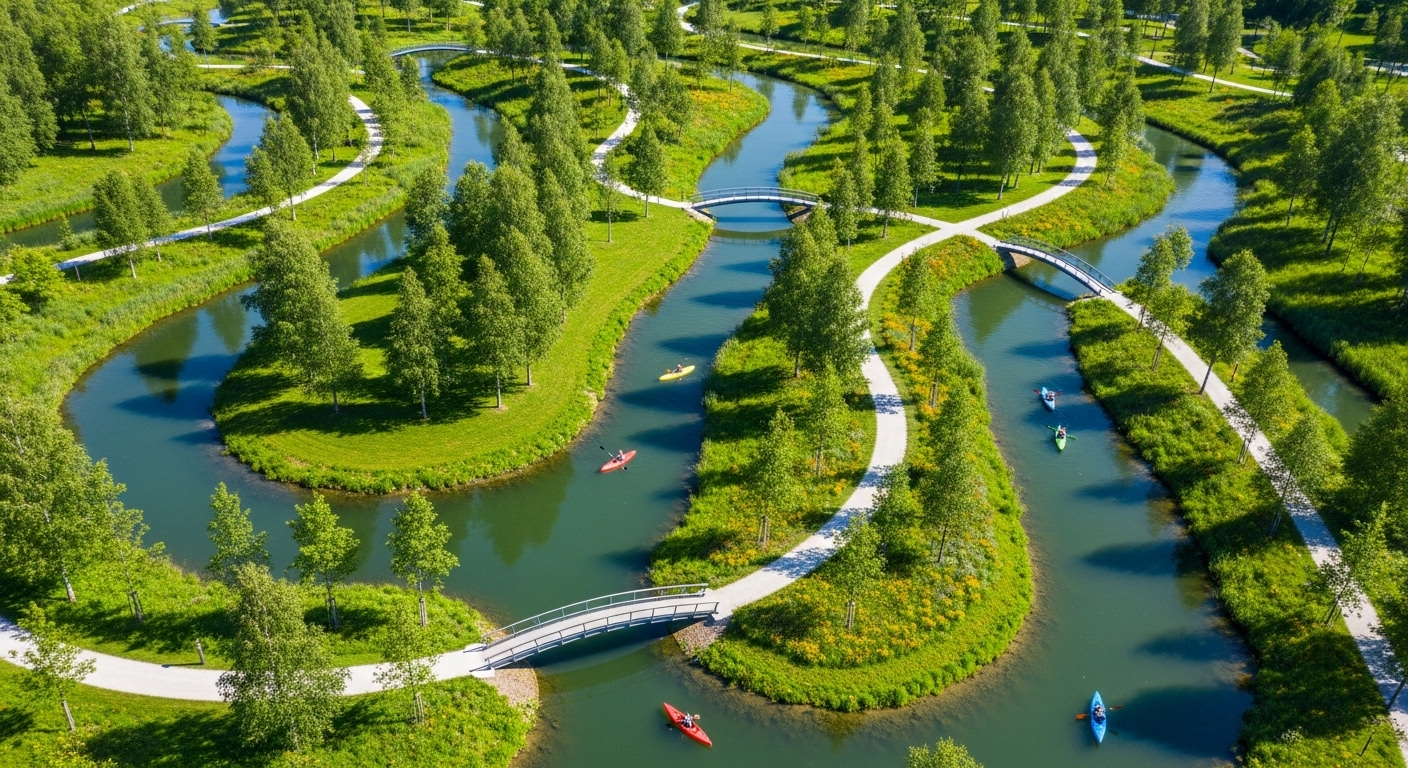
The journey from a historic floodplain to a park archipelago is both fascinating and complex. Initially, these floodplains were natural zones prone to seasonal inundation. Over decades, urban development either drained or encroached upon them, often causing environmental degradation. Today, urban planners are reversing this trend through innovative ecological engineering. By strategically allowing certain areas to flood while creating raised walking paths, bridges, and observation decks, these floodplains are being revived as dynamic park archipelagos.
One remarkable example is the Meuse River floodplain restoration in Europe, which has turned previously neglected wetlands into thriving habitats for birds, fish, and native plants. Visitors can now explore interconnected green spaces via walking trails, kayak routes, and small ferry services. Such projects show how historic floodplains can evolve into multifunctional spaces, blending recreation, education, and conservation seamlessly.
Why Floodplain Archipelagos Matter in Urban Environments
So, why should city planners and communities invest in historic floodplains turned park archipelagos? The answer lies in their multifaceted benefits:
- Environmental Sustainability: These parks act as natural flood buffers, reducing the risk of urban flooding during heavy rains or storms. They also provide habitats for wildlife and improve air quality.
- Recreational Spaces: Urban residents gain access to unique outdoor activities, from canoeing and kayaking to birdwatching and cycling, all within city limits.
- Cultural and Historical Preservation: Floodplains often contain archaeological or historical sites. Transforming them into parks allows communities to preserve and celebrate local heritage.
- Economic Growth: Cities benefit from tourism, local businesses, and real estate appreciation around these scenic archipelagos.
Would you like to visit a park archipelago in your city if it meant access to nature, history, and adventure all in one place?
Iconic Examples Around the World
Let’s take a closer look at some of the most iconic historic floodplains turned park archipelagos worldwide:
- Thames Floodplain Park, London: Once prone to seasonal floods, this area now features interconnected walking trails, gardens, and observation decks along the river. London’s official tourism site highlights guided tours for eco-tourists.
- Danube Delta, Romania: The Danube floodplains have been restored as a natural archipelago for wildlife and human visitors. Canoeing and guided eco-tours allow you to witness rare bird species and native flora.
- Cheonggyecheon Stream Restoration, Seoul: A historical floodplain in the heart of Seoul has been transformed into a 10.9 km linear park, revitalizing both community life and the local economy.
- Singapore’s Bishan-Ang Mo Kio Park: This urban park turned floodplain archipelago demonstrates how engineered waterways and natural wetlands can coexist in a densely populated city.
Which of these would you be most excited to explore first? Let us know in the comments!
Community Engagement and Ecological Education
One of the most rewarding aspects of historic floodplains turned park archipelagos is the opportunity for community engagement and education. Schools, local clubs, and NGOs often host workshops on wetland ecology, sustainable urban planning, and flood management. By involving citizens directly, these projects foster a sense of ownership and responsibility, ensuring that parks remain clean, safe, and vibrant for years to come.
Imagine your local park not only as a recreational area but also as an open-air classroom where children learn about environmental science while playing. Urban planners are increasingly partnering with airlines and travel agencies to offer eco-tourism packages for visitors to explore these revitalized floodplains safely and sustainably. For instance, Skyscanner often highlights eco-friendly travel options that support such urban initiatives.

Challenges and Considerations
Transforming floodplains into park archipelagos is not without its challenges. Planners must navigate issues like seasonal flooding, invasive species, maintenance costs, and ensuring public safety. However, these challenges are often outweighed by the long-term benefits. Innovative design strategies, such as floating gardens, elevated walkways, and adaptive plantings, are helping cities overcome these obstacles efficiently.
Have you ever noticed areas in your city that could benefit from such a transformation? Maybe it’s time to pitch the idea to your local council!
Future Prospects for Urban Floodplain Parks
Looking ahead, the future of historic floodplains turned park archipelagos is promising. With climate change and urban expansion posing new challenges, cities are turning to natural solutions like floodplain restoration more than ever. Integration with smart city technologies, including real-time water monitoring and interactive digital guides, can enhance visitor experience while ensuring sustainability.
Imagine a city where every floodplain doubles as a park archipelago with kayaking paths, bicycle trails, historical exhibits, and educational installations—all monitored through smart sensors for environmental health. That’s not a distant dream; cities in Europe, North America, and Asia are already experimenting with these concepts.
We would love to hear from you: How important do you think it is to preserve historic floodplains while transforming them into urban parks? Would you support similar projects in your city? Share your thoughts and experiences in the comments section below.
Don’t forget to follow us on our social media platforms to stay updated with the latest insights, travel inspiration, and urban ecological projects. Discover more stories like this from WentWorld.com, where history, adventure, and nature converge.
Catch up on the top stories and travel deals by subscribing to our newsletter!