
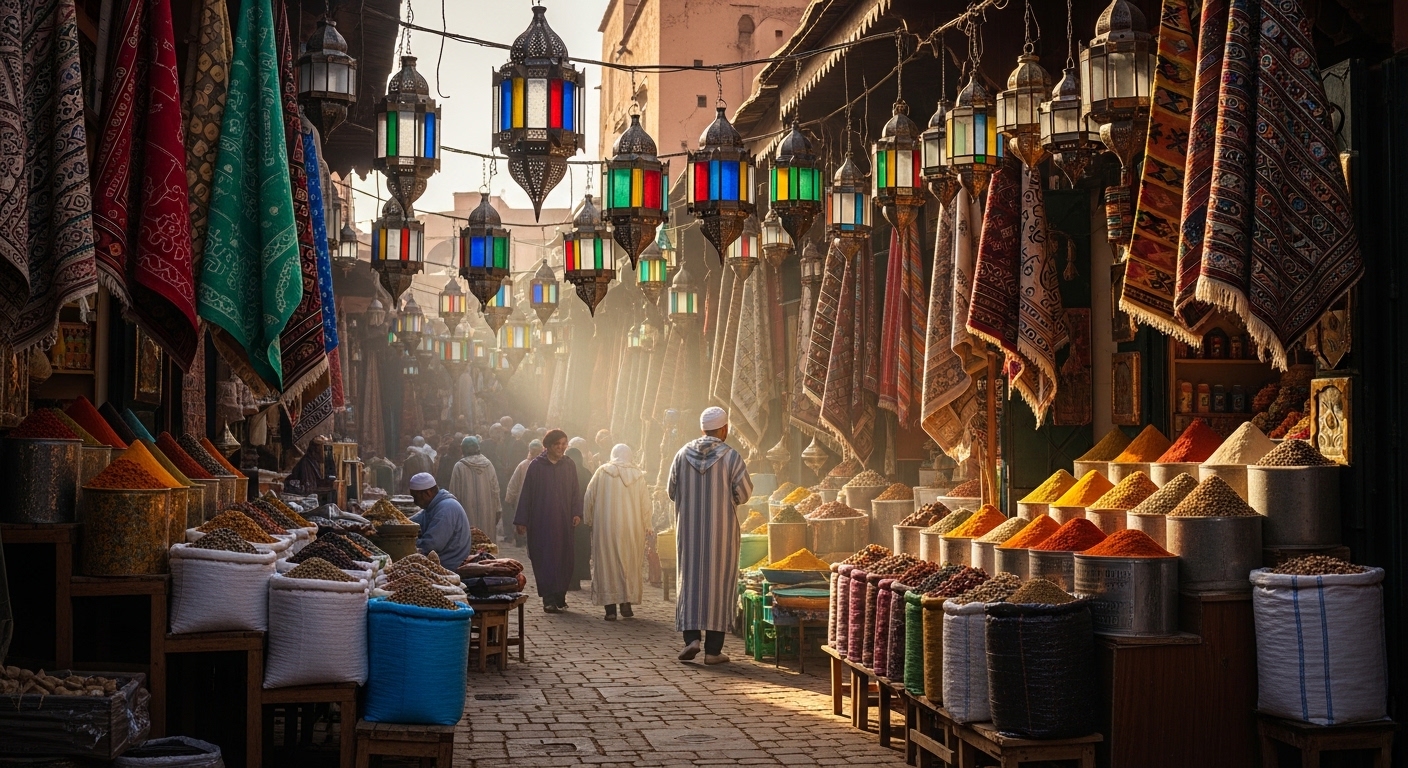
There’s a unique magic in towns built around historic markets. When you travel to these places, you’re not just visiting a destination—you’re stepping into centuries of commerce, culture, and community. Imagine wandering through cobblestone streets, passing wooden stalls that have been in operation for generations, and smelling spices, baked goods, and the occasional hint of leather from artisan workshops. These towns feel alive, and the markets at their center are their beating hearts.
Historic markets aren’t just about buying souvenirs; they are living stories. Each stall, alleyway, and square has witnessed history unfold, from trade caravans to festivals, from political events to local gatherings. Traveling to towns built around these markets is like watching history in motion while engaging all your senses. Have you ever found yourself lost in a market and felt transported to another era?
In this article, WentWorld.com takes you on a journey through some of the world’s most fascinating towns shaped by their historic markets. We’ll explore what makes these markets special, how they shaped the towns around them, and why visiting them can be an unforgettable experience. Whether you’re a foodie, a history buff, or simply someone who loves to explore, these towns have something to offer.
Why Historic Markets Shape the Towns Around Them
Markets are more than a place to buy and sell goods. Historically, they determined the layout, economy, and social life of a town. Streets often radiated outward from the central market square, and public buildings like town halls, churches, and guildhalls were built nearby. The market became the hub for socializing, trading ideas, and celebrating festivals.
In towns built around historic markets, the rhythm of daily life often revolves around the square. Morning bells, midday hustle, and evening quiet are all dictated by market activity. When you walk through these towns, you notice how intertwined the market is with daily life—locals meet here, children play nearby, and street musicians often perform in the corners.
Have you noticed how some towns just feel more vibrant than others? Often, it’s the presence of a market that has existed for centuries, keeping the town’s heart alive.

Famous Historic Market Towns Around the World
Let’s explore a few iconic examples that highlight the charm and significance of these living historic centers.
1. Marrakech, Morocco
Marrakech’s medina is legendary for its souks (markets). Built around the central Jemaa el-Fnaa square, the markets here have been bustling since the 11th century. You can find spices, rugs, ceramics, leather goods, and street food that capture the essence of Moroccan culture. Wandering the narrow alleys feels like stepping into a living museum, where every corner tells a story.
The market isn’t just for shopping; it’s for absorbing the atmosphere. Performers, storytellers, and snake charmers add layers of spectacle. If you’re flying in, airlines like Royal Air Maroc offer direct connections to Marrakech, making it easy for travelers to experience this bustling historic center.
2. Ghent, Belgium
Ghent’s historic market squares, such as the Vrijdagmarkt and Korenmarkt, are surrounded by centuries-old buildings, cafes, and guild halls. The markets here have been in operation for hundreds of years, often hosting weekly flea markets, artisan stalls, and seasonal fairs. Visiting Ghent feels like walking through a European postcard, with market squares providing the town’s rhythm and charm.
The combination of medieval architecture and lively market culture gives visitors a sense of continuity with the past. Resources like Visit Gent provide guided tours that highlight these historic streets and squares, making it easy to appreciate their significance.
3. Istanbul, Turkey
Traveling to towns built around historic markets in Istanbul is a sensory feast. The Grand Bazaar, dating back to the 15th century, is a labyrinth of more than 4,000 shops offering everything from jewelry to textiles. The market shaped the neighborhoods around it, influencing architecture, transport, and social life for centuries. Walking here, you can feel the pulse of trade that once connected Europe and Asia.
Istanbul is also famous for its spice markets, like the Spice Bazaar, which continues to attract locals and tourists alike. Visiting these markets gives you a glimpse into how commerce and culture intertwine, making the town itself an extension of the market.
4. Florence, Italy
In Florence, the San Lorenzo Market has been a central hub since the Renaissance. The market not only sells leather, clothes, and souvenirs but also shapes the surrounding streets, cafes, and public spaces. It’s impossible to explore Florence without passing through its historic market area. The stalls, filled with artisanal goods, echo the city’s history of craftsmanship and trade.
Travelers can also explore Florence’s vibrant Mercato Centrale, which brings modern culinary experiences into historic spaces. Information from Florence Inferno highlights guided market tours, giving visitors insight into both culinary traditions and the town’s layout.
Experiencing the Local Culture Through Markets
Visiting historic markets isn’t just about sightseeing—it’s about immersing yourself in local culture. Vendors often share stories about their products and traditions, and interacting with them can provide a deeper understanding of a town’s heritage. Some towns even hold festivals or seasonal fairs centered around the market, offering unique experiences for visitors.
Have you ever learned about a town’s history through its food, crafts, or people? Historic markets offer exactly that opportunity. From sampling local cheeses in Ghent to tasting Moroccan pastries in Marrakech, each market visit becomes an educational and sensory experience.

Planning Your Trip to Market Towns
When traveling to towns built around historic markets, planning matters. Early mornings and weekdays are often less crowded, allowing you to enjoy the ambiance and capture the architecture in peace. Local tours can provide insight into the historical significance of the markets and the town’s evolution over time. Using platforms like Lonely Planet or TripAdvisor can help you find guided tours and local tips.
Respecting local customs is also essential. Markets are living spaces for communities, not just tourist attractions. Observing etiquette, bargaining politely, and being mindful of the local environment ensures your visit is appreciated by both vendors and residents.
The Emotional Impact of Historic Markets
Historic markets often evoke a sense of nostalgia. They remind us that towns were once built around human connection and commerce, not just cars and buildings. Visiting these markets can make you feel part of a long continuum of people who bought, sold, laughed, and celebrated in the same squares centuries ago. The charm of these towns is not only visual but deeply emotional.
When you leave, the memory stays. You carry with you the colors, smells, sounds, and stories. These experiences often spark a greater appreciation for travel that goes beyond sightseeing. Traveling to towns built around historic markets allows you to connect with people, history, and culture in a way that modern tourist centers rarely do.
Have you ever returned from a market and felt like you brought home more than souvenirs—maybe memories, stories, and a new perspective? That is the power of historic markets.
For more stories, tips, and immersive travel experiences, follow WentWorld.com on our social media platforms. Stay inspired and discover hidden gems that make travel meaningful.
Catch up on the top stories and travel deals by subscribing to our newsletter!










Leave a Reply
You must be logged in to post a comment.