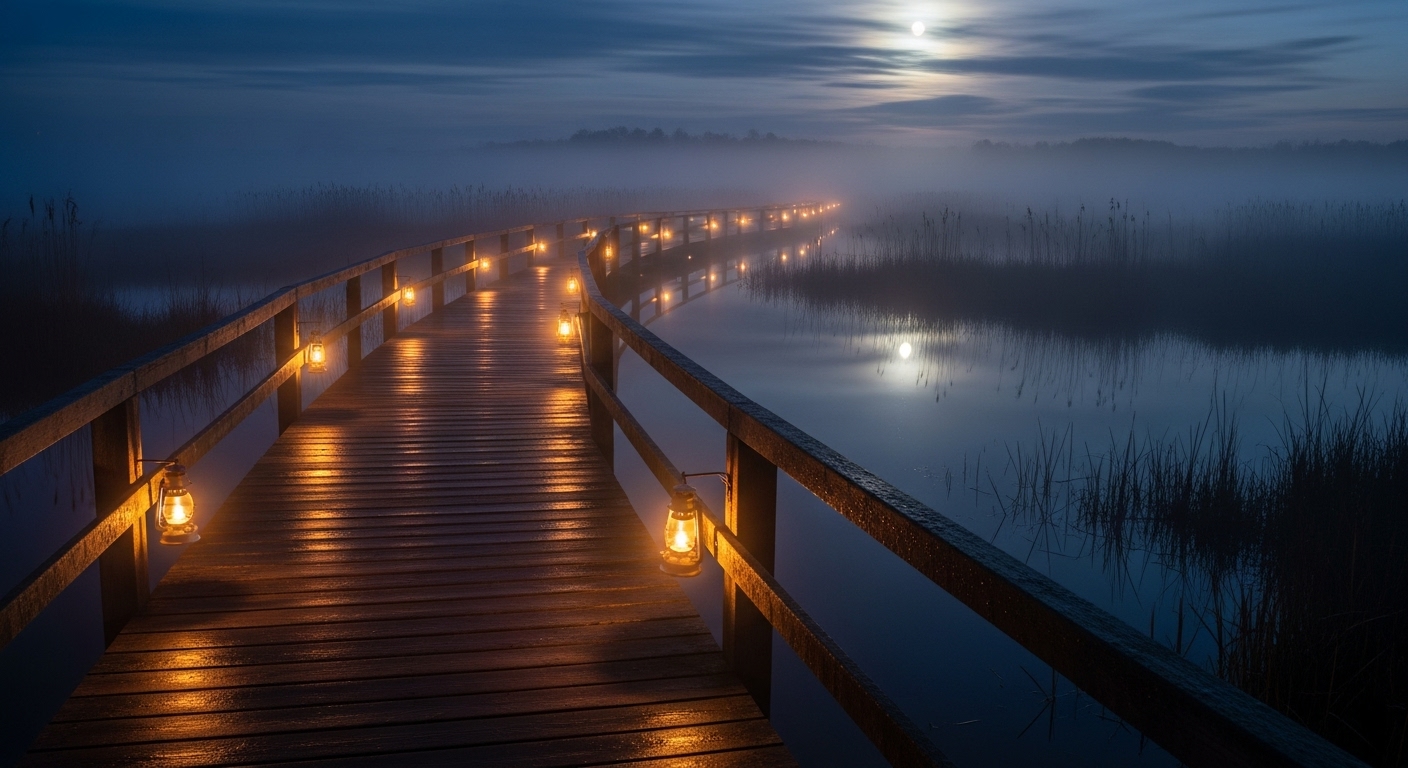
There is something quietly enchanting about marsh lantern walks and biotope reserves. Imagine strolling along wooden pathways through misty wetlands, soft lantern light guiding your way while reeds sway gently in the night breeze. Fireflies flicker, frogs croak in rhythm, and the water mirrors the starlit sky. For many travelers, these walks offer a rare, immersive experience of nature that goes beyond conventional sightseeing. Not only are marshes ecologically vital, but they also provide a sense of calm, wonder, and connection to living ecosystems.
If you’ve ever wondered what it feels like to wander a nocturnal wetland safely guided by lanterns, this is the blog for you. We’ll explore why biotope reserves are essential for biodiversity, how lantern walks can enhance your understanding of wetland life, and practical tips for planning your own nighttime adventure. Additionally, we’ll share some of the most remarkable reserves around the world where these experiences are available. By the end of this post, you’ll know exactly why marsh lantern walks and biotope reserves are becoming bucket-list experiences for nature lovers and photographers alike.
The Unique Allure of Marsh Lantern Walks
Marshes are extraordinary ecosystems. They may appear quiet or even mundane during the day, but at night, they transform into dynamic environments teeming with life. Lantern walks allow visitors to witness this transformation safely, without disturbing sensitive wildlife. The gentle glow of lanterns illuminates walking paths while highlighting reeds, water lilies, and small ponds. Unlike daytime visits, night walks create a sense of intimacy with nature. Visitors often feel as if they are stepping into a hidden world.
Furthermore, lantern walks can teach visitors about the delicate balance of wetland ecosystems. Guides often share insights on nocturnal species, the migration of amphibians, and the importance of water management in preserving these habitats. By combining education with immersive experience, marsh lantern walks offer both wonder and learning.
Understanding Biotope Reserves
Biotope reserves are protected areas specifically designed to preserve the natural habitat and biodiversity of a region. They can range from small local wetlands to expansive marshlands, and they serve multiple ecological purposes. In particular, wetlands in biotope reserves support diverse flora and fauna, including birds, amphibians, insects, and aquatic plants. The conservation of these areas is critical not just for wildlife but also for local communities that rely on wetlands for flood control, water purification, and sustainable livelihoods.
Visiting biotope reserves allows travelers to observe the harmony of natural systems firsthand. Many reserves offer boardwalks, viewing platforms, and interpretive signs to educate visitors without disrupting wildlife. When combined with lantern walks, these reserves provide a unique nocturnal perspective, revealing behaviors and interactions that are often hidden during the day.
Best Regions for Marsh Lantern Walks and Biotope Reserves
Across the globe, certain regions are particularly famous for their nocturnal wetland experiences. These sites balance accessibility, conservation, and natural beauty.
- Danube Delta, Romania: One of Europe’s largest wetlands, the delta offers guided night walks through marshes, highlighting fireflies, nocturnal birds, and frogs.
- Camargue, France: Famous for its salt marshes, flamingos, and wild horses, Camargue provides lantern-guided trails that illuminate the unique flora and fauna.
- Kakadu National Park, Australia: While known for its daytime tours, select wetland areas offer twilight and night walks, introducing visitors to nocturnal wildlife in a stunning natural setting.
- Hula Valley, Israel: A wetland reserve with boardwalks where lantern walks coincide with seasonal bird migrations, creating magical observation experiences.
- Okavango Delta, Botswana: Some lodges offer guided nocturnal excursions on foot or canoe, illuminating wetland life with portable lanterns and teaching about ecosystem dynamics.
Why Lantern Walks Offer a Different Perspective
Unlike daytime exploration, lantern walks emphasize observation and quiet interaction with the environment. Reduced light minimizes human impact and allows wildlife to behave naturally. For example, frogs are more active at night, insects emerge, and water reflections reveal hidden aquatic plants. This perspective is especially valuable for photographers, ecologists, and anyone interested in sustainable tourism practices.
Moreover, the gentle pace of lantern walks encourages mindfulness. Visitors are not rushing from site to site; instead, they move slowly, notice details, and engage all senses. This reflective experience is a rare gift in a travel world often focused on speed and instant gratification.

Flora and Fauna to Look Out For
Marsh lantern walks and biotope reserves reveal life that many never encounter in urban settings. Expect to observe:
- Frogs and toads calling in chorus along the water’s edge
- Fireflies and other nocturnal insects creating mesmerizing light patterns
- Owls and night birds hunting above the reeds
- Aquatic plants such as water lilies, sedges, and marsh grasses glowing under lantern light
- Small mammals like otters or marsh rabbits in more remote reserves
Understanding the ecosystem enhances the experience. Many lantern walks include discussions about food chains, plant-animal relationships, and conservation challenges. This transforms a simple walk into an educational and transformative journey.
Planning Your Marsh Lantern Walk
For a rewarding experience, preparation is essential. Night walks can involve uneven terrain, damp conditions, and unpredictable weather. Here are some tips:
- Wear waterproof footwear and comfortable walking shoes
- Dress in layers for varying nighttime temperatures
- Carry insect repellent and a small flashlight
- Follow all guide instructions and stick to marked paths
- Bring binoculars or a camera with low-light capability
Additionally, consider booking walks with local guides. They provide valuable insights about species identification, wetland ecology, and the history of the reserve. Guides also ensure safety and maximize your observational opportunities.
Photography Tips for Lantern Walks
Capturing the magic of nocturnal wetlands requires different techniques than daylight photography. Some tips include:
- Use a tripod to stabilize your camera during low-light shots
- Adjust ISO and aperture to balance light and clarity
- Capture reflections in water for artistic composition
- Include lanterns or human silhouettes to create scale and depth
- Experiment with long exposure to photograph fireflies or moving water
Patience is key. Wildlife may take time to appear, and the best lighting often occurs in fleeting moments at the start or end of the walk.
Cultural and Environmental Etiquette
Marshes and biotope reserves are fragile environments. Visitors must respect these spaces to ensure the ecosystem’s longevity. Follow these guidelines:
- Do not touch or remove plants and wildlife
- Stay on designated boardwalks and trails
- Maintain silence to avoid disturbing nocturnal animals
- Dispose of waste responsibly or carry it out
- Support local conservation efforts through donations or volunteer programs
By following these practices, travelers contribute to conservation and ensure that future visitors can enjoy the same magic.
Sample Itinerary for a Lantern Walk Adventure
To illustrate a potential experience:
- Evening: Arrive at the reserve, receive safety briefing and lanterns, then begin the guided walk along marsh boardwalks.
- Night: Observe nocturnal wildlife, photograph illuminated plants and water reflections, and learn about wetland ecology from the guide.
- Late Night: Conclude at a viewing platform for reflection or stargazing, then return to nearby accommodation.
Many reserves also combine lantern walks with other activities such as canoe rides, birdwatching, or educational workshops. These combined experiences enhance understanding of the ecosystem and its seasonal changes.
There is growing interest in slow travel, eco-tourism, and immersive nature experiences. Marsh lantern walks and biotope reserves cater perfectly to these trends. Travelers seek unique, off-the-beaten-path experiences that allow them to connect deeply with nature. Moreover, guided nocturnal walks reduce the ecological footprint while offering unforgettable moments of calm and wonder.
Imagine the serenity of walking along misty boardwalks, lantern light reflecting on still waters, and hearing the symphony of marsh life around you. This is the essence of marsh lantern walks and biotope reserves. Have you experienced a nighttime wetland before, or is this something you’d love to try? Share your thoughts, and don’t forget to follow WentWorld on social media for more unique travel ideas and hidden gems across the globe.
Catch up on the top stories and travel deals by subscribing to our newsletter!