Monsoon gardens reveal a side of cities that many travelers never plan to see. While rain often scares people away from travel, certain cities wait for the monsoon to come alive. Dry landscapes soften, dusty parks explode with color, and forgotten gardens transform into lush, living spaces. In these places, rain is not an inconvenience—it is a celebration.
Instead of hiding indoors, locals step outside to watch their cities bloom. Flowers open overnight, trees regain their shine, and the air feels cooler and fresher. Have you ever visited a city where the rainy season is the most beautiful time of year?
At WentWorld.com, we explore destinations that reward curious timing. Monsoon gardens show how rain can redefine urban beauty and transform entire cities into seasonal masterpieces.
What Are Monsoon Gardens?
Monsoon gardens are green spaces, parks, and landscapes designed—intentionally or naturally—to flourish during seasonal rains. These gardens remain quiet or understated during dry months. However, once monsoon clouds arrive, they burst into life.
Plants in these regions adapt to cycles of drought and rain. As a result, the rainy season triggers rapid growth, flowering, and renewal. For travelers, this means witnessing a dramatic transformation rather than a static landscape.
Why Cities Look Different During the Monsoon
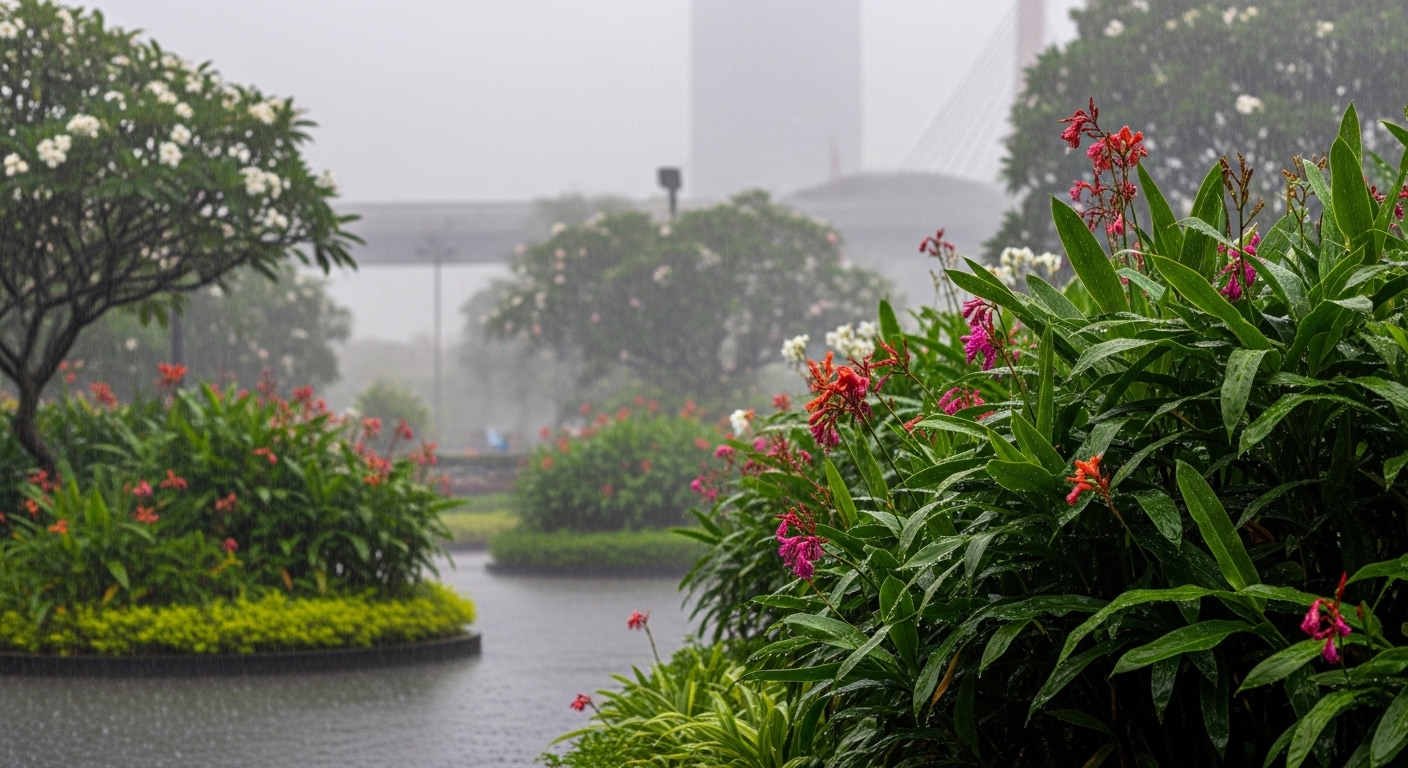
Rain reshapes cities both visually and emotionally. Colors deepen, dust settles, and temperatures drop. Urban noise softens as rain absorbs sound. Gardens that once looked ordinary suddenly feel immersive and alive.
Moreover, many cities plan cultural events, walks, and festivals around the rainy season. Instead of avoiding weather, residents embrace it as part of their identity.
Remarkable Cities Known for Monsoon Gardens
Mumbai, India
Mumbai’s monsoon is legendary. When the rains arrive, the city’s parks and natural spaces transform. Areas like Sanjay Gandhi National Park turn intensely green, with waterfalls forming across hillsides.
According to the Maharashtra Tourism Development Corporation, the monsoon season reveals a softer, more poetic side of the city that contrasts sharply with its fast-paced image.
Kyoto, Japan
Kyoto’s gardens gain a special charm during the rainy season. Moss gardens such as Saihō-ji glow with fresh green hues, and stone paths appear more reflective and serene.
Japan’s appreciation for seasonal change makes monsoon gardens an essential part of cultural aesthetics. According to Japan National Tourism Organization, rain enhances the contemplative beauty of traditional gardens.

Colombo, Sri Lanka
Colombo’s urban parks and wetlands respond dramatically to monsoon rains. Viharamahadevi Park and surrounding green spaces fill with tropical flowers and dense foliage.
The city’s coastal climate ensures that rain feels refreshing rather than restrictive. Locals often take evening walks once showers pass, enjoying the renewed greenery.
Singapore
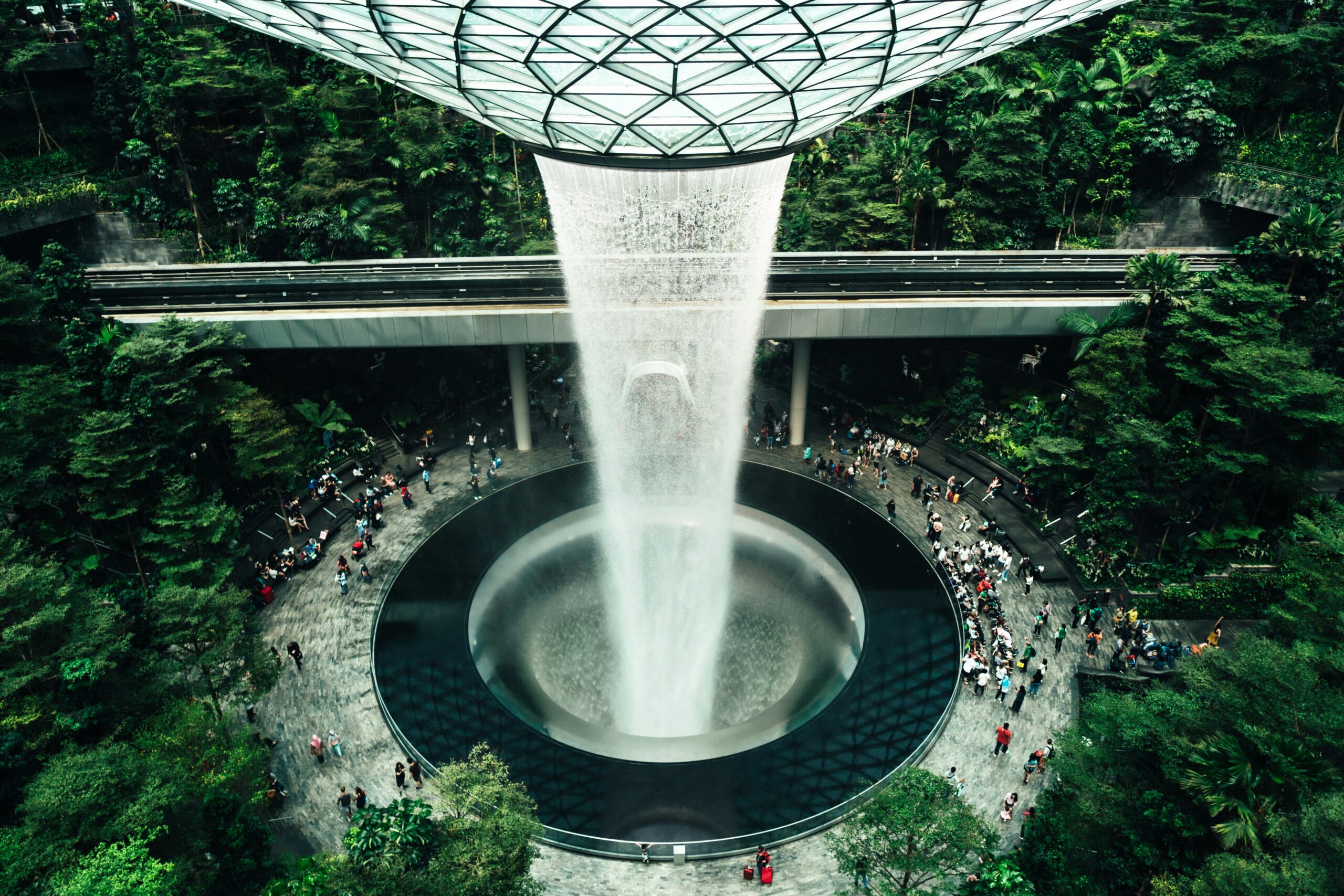
Singapore’s tropical climate supports greenery year-round, but the monsoon intensifies growth. Gardens by the Bay and neighborhood parks feel especially vibrant during rainy months.
According to Visit Singapore, rain is deeply integrated into the city’s design, allowing gardens to remain accessible and enjoyable even during wet weather.
Hanoi, Vietnam
Hanoi’s monsoon transforms lakeside gardens and tree-lined boulevards. Rain revives lotus ponds, roadside greenery, and public parks across the city.
The humid air carries floral scents, and the slower pace during rainy afternoons gives the city a reflective charm rarely experienced by dry-season visitors.
What It Feels Like to Walk Through Monsoon Gardens
Walking through monsoon gardens feels immersive. Leaves glisten, petals weigh down with droplets, and the ground releases earthy scents. The environment feels cooler and calmer, even in busy cities.
Rain also changes how people move. Walks become slower, conversations quieter, and moments more observant. Many travelers describe monsoon garden walks as unexpectedly peaceful.
Plants That Thrive During the Monsoon
Monsoon gardens feature plants adapted to sudden water availability. Ferns, mosses, tropical flowers, and fast-growing grasses dominate these landscapes.
In some regions, rare seasonal flowers bloom only during the rainy months. This makes monsoon travel especially rewarding for nature lovers and photographers.
Best Time to Experience Monsoon Gardens
Early monsoon often offers the best balance. Gardens appear fresh, while heavy flooding has not yet begun. Morning walks after overnight rain provide ideal light and cooler air.
Late monsoon brings fuller growth but may require flexibility due to sudden showers. Checking local forecasts helps travelers plan garden visits between rain spells.
Tips for Visiting Cities During the Rainy Season
- Carry light rain protection rather than avoiding outdoor plans.
- Wear shoes suitable for wet paths.
- Plan activities around short rain breaks.
- Explore gardens early in the day.
- Embrace slower travel and observation.

Why Monsoon Gardens Are Often Overlooked
Many travelers avoid rain, assuming it limits experiences. However, monsoon gardens prove the opposite. Rain enhances color, scent, and atmosphere in ways dry seasons cannot.
Visiting during the monsoon also reduces crowds, offering more intimate encounters with local life and landscapes.
Would You Travel for the Rain?
Would you plan a trip specifically to experience a city in bloom during the rainy season? Or have you already discovered the beauty of monsoon gardens without expecting it?
Your perspective helps us highlight destinations that deserve more appreciation.
Monsoon gardens remind us that beauty is seasonal. Cities that bloom in the rain reveal resilience, adaptation, and natural rhythm.
Follow WentWorld.com on our social media platforms to discover more destinations where timing, nature, and culture combine to create unforgettable travel experiences.
Catch up on the top stories and travel deals by subscribing to our newsletter!