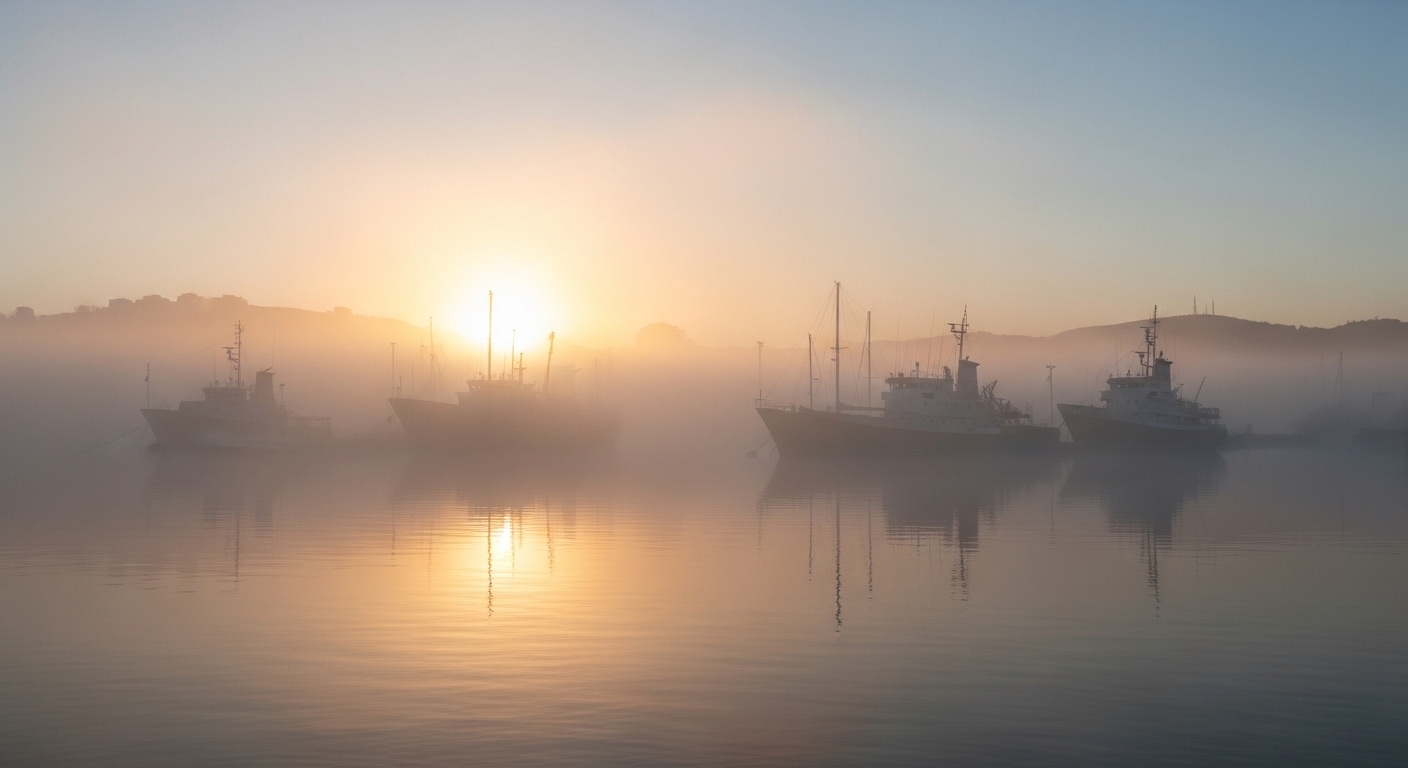
Some mornings don’t begin with sunlight. They begin with silence. With softened edges. With harbors wrapped in a low cloud sea so thick that ships appear and disappear like memories. Fog harbors: best mornings for low cloud sea are not just weather events. They are experiences that slow time, mute sound, and turn ordinary coastal cities into living paintings.
If you have ever stood by the water at dawn and watched fog roll in like a tide made of air, you know how powerful it feels. The world becomes smaller. More intimate. Boats drift quietly. Harbor lights glow longer. Even familiar cities feel foreign. This guide by WentWorld explores the cities where fog harbors create the most unforgettable mornings, why they happen, when to visit, and how to experience them respectfully and safely.
Have you ever planned a trip specifically for fog instead of sunshine?
What Makes a Fog Harbor So Special
Fog harbors form when cool sea air meets warmer land air, creating low clouds that cling to coastlines and drift inland. Unlike mist or haze, harbor fog is dense, slow-moving, and immersive. It doesn’t just sit above the water. It moves through docks, streets, bridges, and boats.
What makes fog harbors: best mornings for low cloud sea so memorable is the way they reshape perception. Distances disappear. Sound travels differently. The smell of salt, seaweed, and wood intensifies. Photography becomes minimal and moody. Walking feels meditative.
In many cities, fog is not an inconvenience. It is part of the identity.
San Francisco: The World’s Most Famous Fog Harbor
No list of fog harbors can begin anywhere else. San Francisco’s relationship with fog is legendary. Locals even gave it a name. The fog rolls in from the Pacific, passes through the Golden Gate, and spills gently into the bay.
Mornings at the waterfront feel cinematic. The Golden Gate Bridge appears in fragments. Ferries move like shadows. Fisherman’s Wharf wakes slowly under a blanket of cloud.
The city’s geography and cold coastal currents make it one of the most reliable locations for fog harbors and low cloud sea mornings. According to San Francisco Travel, fog is most common between late spring and early fall, especially at dawn.
Would you rather see the Golden Gate in perfect clarity, or half-hidden like a secret?
Vancouver: Fog Framed by Mountains and Water
Vancouver’s harbor fog feels different. It is quieter. Softer. Surrounded by mountains that rise through the clouds like islands.
Early mornings around Coal Harbour and Stanley Park offer some of the most peaceful urban fog scenes in North America. Seaplanes wait. Cyclists glide silently. The city feels paused.
Because Vancouver sits between ocean and mountains, fog forms frequently when cool marine air meets inland warmth. This makes it one of the most visually dramatic examples of fog harbors: best mornings for low cloud sea.
Have you noticed how fog makes cities feel less crowded, even when they aren’t?

Valparaíso: Fog Sliding Down Colorful Hills
Chile’s Valparaíso turns fog into poetry. Known locally as “camanchaca,” the fog drifts in from the Pacific and spills over steep hills covered in colorful houses.
Mornings here are surreal. Street art fades into cloud. Cable cars vanish mid-ride. Ships in the harbor appear suspended in nothingness.
Unlike colder fog cities, Valparaíso’s fog often dissolves into warm sunshine by midday, making early mornings the perfect time to experience this low cloud sea. Travel resources like Chile Travel often recommend sunrise walks specifically for this reason.
Cape Town: Fog Between Two Oceans
Cape Town’s fog harbors are shaped by powerful ocean currents and dramatic geography. Cold Atlantic air meets warmer land and the Indian Ocean’s influence, creating thick morning fog around Table Bay.
From the V&A Waterfront, fog often wraps around ships and cranes, while Table Mountain rises above the cloud layer like a fortress.
These mornings feel raw and elemental. Less romantic than European fog harbors, but deeply atmospheric. They remind visitors that the ocean controls the city, not the other way around.
Lisbon: Soft Atlantic Fog Along the Tagus
Lisbon’s fog is subtle. Gentle. It drifts along the Tagus River and the Atlantic edge, softening pastel buildings and historic docks.
Mornings near Belém feel suspended between eras. Monuments emerge slowly. Trams sound distant. The water reflects pale light rather than sharp glare.
For travelers seeking calm rather than drama, Lisbon offers one of the most approachable fog harbors: best mornings for low cloud sea. The fog here invites slow walking, coffee breaks, and quiet observation.
Why Fog Harbors Feel Emotionally Powerful
Fog changes how the brain processes space and time. Without clear horizons, the mind focuses inward. Many people report feeling calmer, more reflective, even nostalgic during foggy mornings.
In harbor cities, fog also connects us to maritime history. For centuries, sailors relied on sound, instinct, and limited visibility. Fog reminds us of that vulnerability.
Do you think modern travel has lost some of its mystery because we expect perfect visibility everywhere?
Best Time and Conditions to Experience Low Cloud Sea
To experience true fog harbors, timing matters:
- Early morning, usually between sunrise and 9 a.m.
- Late spring to early autumn in many coastal cities
- Cold ocean currents paired with warm inland air
- Calm wind conditions
Checking local harbor webcams or maritime forecasts can dramatically improve your chances. Airlines like Alaska Airlines even adjust schedules around fog-prone airports, showing how predictable these patterns can be.
How to Experience Fog Harbors Respectfully
Fog harbors are working environments, not just scenic backdrops. Ships, fishermen, and harbor staff rely on visibility and sound.
Travelers should:
- Stay clear of active docks
- Avoid drone use in low visibility
- Keep noise minimal
- Follow local safety signage
Fog rewards patience. The less you force the experience, the more it reveals.

The Future of Fog Harbors in a Warming World
Climate change is altering fog patterns worldwide. Some cities see less fog due to rising sea temperatures. Others experience thicker, more unpredictable fog.
Scientists and urban planners now study fog not just as weather, but as an ecosystem factor. In some regions, fog even supports local vegetation and water collection systems.
Experiencing fog harbors: best mornings for low cloud sea may become rarer in certain places, making them even more valuable as travel experiences.
Why Fog Harbors Belong on Your Travel List
Fog harbors remind us that beauty does not always come in bright colors and perfect clarity. Sometimes it arrives quietly. Gradually. Unannounced.
If you are drawn to atmosphere, mood, and moments that feel personal rather than performative, fog harbors offer something deeply human.
Have you ever experienced a foggy harbor morning that stayed with you long after the trip ended? Share your story in the comments.
Follow WentWorld on our social media platforms for more travel stories that explore the quiet, unexpected, and unforgettable sides of the world.
Catch up on the top stories and travel deals by subscribing to our newsletter!