
There is something deeply grounding about mountain villages preserving old traditions. High above modern highways and far from crowded cities, these communities continue to live in ways that feel timeless. Stone houses cling to cliffs. Wooden chalets stand firm against snow. Church bells, prayer chants, folk music, and seasonal festivals mark the rhythm of life instead of digital notifications. In a world racing forward, these villages remind us that heritage still matters.
But here is the question: how long can these traditions survive in the age of globalization, tourism, and technology? As more travelers seek authentic cultural experiences, mountain villages preserving old traditions are gaining global attention. Some welcome visitors carefully. Others struggle to balance preservation with modernization. Yet all of them carry stories that deserve to be heard.
In this guide by WentWorld.com, we explore remarkable mountain villages across continents that are safeguarding ancient crafts, languages, architecture, food traditions, and community rituals. We will also discuss why they matter, how you can visit responsibly, and what lessons modern society can learn from them.
Why Mountain Villages Become Guardians of Tradition
Mountain geography naturally creates isolation. For centuries, harsh winters, steep terrain, and limited access protected communities from outside influence. While cities evolved rapidly, mountain villages often retained dialects, clothing styles, agricultural practices, and festivals unchanged for generations.
This isolation allowed traditions to survive intact. Handwoven textiles were passed from grandmother to granddaughter. Folk songs survived without written notation. Seasonal migration patterns remained aligned with livestock needs rather than market demands. In many regions, traditional governance systems and communal decision-making structures still shape village life.
Have you ever visited a place where time felt slower? Where daily routines revolved around sunrise and sunset rather than business hours? That feeling often defines mountain villages preserving old traditions.
Hallstatt, Austria: Alpine Heritage Frozen in Time
Nestled between mountains and a shimmering lake, Hallstatt is one of Europe’s most photographed villages. But beyond its postcard beauty, it preserves centuries-old alpine customs. Wooden houses, salt mining traditions, and local festivals continue to define village identity.
Visitors exploring through Austria’s official tourism portal often discover traditional dress days, heritage music performances, and seasonal agricultural rituals. Even modern tourism has not erased the village’s dedication to craftsmanship and local storytelling.
Would you prefer a souvenir made in a factory or one carved by a local artisan whose family has practiced the craft for generations?

Shirakawa-go, Japan: Thatched Roofs and Seasonal Wisdom
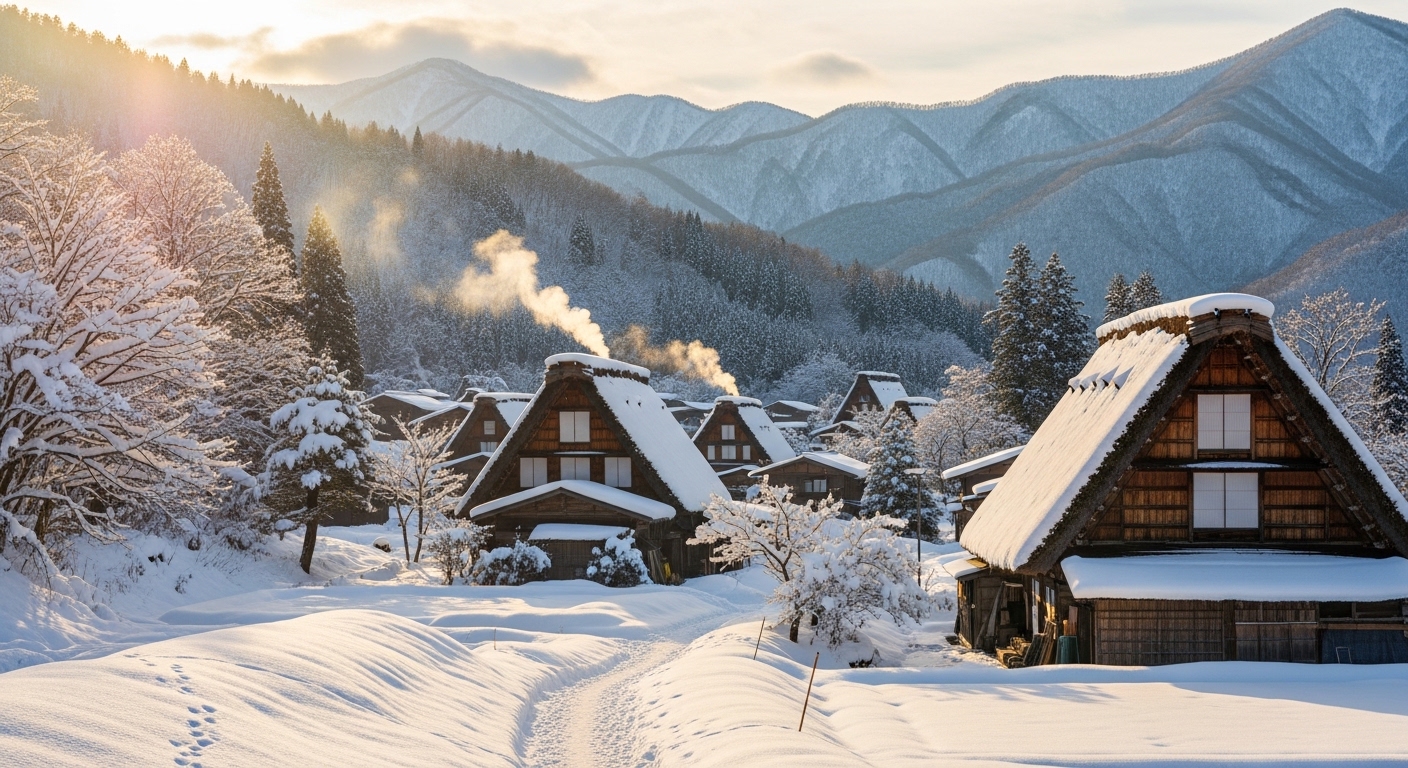
In the Japanese Alps, Shirakawa-go stands as a UNESCO-listed village known for its gassho-zukuri farmhouses. These steep thatched roofs are designed to withstand heavy snowfall. Architecture here is not decorative—it is survival-based tradition.
Families still maintain communal re-thatching practices, reinforcing bonds through shared labor. Cultural preservation efforts supported by Japan National Tourism Organization ensure that tourism supports, rather than replaces, local life.
When you walk through Shirakawa-go during winter, snow resting on rooftops, you feel connected to centuries of resilience. Could modern architecture learn something from this harmony between design and environment?
Hum, Croatia: The Smallest Town With Big Traditions
Often called the smallest town in the world, Hum in Croatia continues to elect its mayor through ancient customs. Stone streets echo with folk celebrations, and local brandy-making remains central to community life.
Travelers using Croatia’s tourism resources often stumble upon traditional music gatherings that feel untouched by commercialization. Even as tourism grows, Hum maintains its identity through ritual and shared memory.
Andean Villages in Peru: Weaving the Past Into the Present
High in the Andes, Quechua-speaking communities preserve weaving techniques dating back to the Inca Empire. Natural dyes, alpaca wool, and symbolic patterns tell stories of ancestry and cosmology.
Organizations working with Peru’s official travel platform encourage ethical tourism that supports indigenous artisans directly. Purchasing textiles here is not just shopping—it is participation in cultural survival.
Would you take the time to learn the meaning behind a woven pattern before buying it?
Transylvania’s Saxon Villages: Europe’s Living Medieval Museums
In Romania’s Transylvania region, fortified churches and cobblestone lanes define village life. Agricultural calendars still guide daily routines. Horse-drawn carts remain common.
Despite modernization pressures, cultural groups supported by platforms like Romania Travel promote heritage festivals that celebrate traditional dance, costume, and cuisine.
These villages show that preservation does not mean stagnation. It means continuity with intention.
Mountain Food Traditions That Tell Stories
Food in mountain villages preserving old traditions reflects climate and necessity. Fermented vegetables, smoked meats, aged cheeses, and slow-cooked stews dominate menus.
In Nepalese Himalayan villages, yak butter tea remains essential for warmth and nutrition. In Swiss alpine communities, cheese-making traditions define regional identity. These dishes are not trends; they are survival methods turned culinary heritage.
Would you try food prepared the same way it was centuries ago?
Festivals That Mark the Seasons
Mountain communities often celebrate agricultural cycles. Harvest festivals, solstice ceremonies, and livestock migrations become communal events. Music, dance, and costume are not performances for tourists but expressions of shared identity.
These events provide travelers with meaningful cultural immersion—but only when approached respectfully. Observing is welcome. Disrupting is not.

Challenges Facing Mountain Villages Preserving Old Traditions
While these villages inspire admiration, they face serious challenges. Young generations migrate to cities. Climate change disrupts agriculture. Tourism can inflate prices and alter local priorities.
Balancing authenticity with economic survival requires careful planning. Sustainable tourism initiatives aim to protect architecture, regulate visitor numbers, and ensure profits benefit residents directly.
As travelers, we must ask ourselves: Are we helping preserve culture, or unintentionally accelerating its transformation?
How to Visit Responsibly
If you plan to explore mountain villages preserving old traditions, consider these guidelines:
- Support local businesses rather than international chains.
- Learn basic phrases in the local language.
- Respect dress codes and photography restrictions.
- Participate in workshops or guided tours that fund cultural programs.
- Avoid treating traditions as entertainment spectacles.
Responsible travel ensures these communities remain vibrant for future generations.
The Future of Mountain Traditions
The future of mountain villages preserving old traditions depends on thoughtful adaptation. Some communities integrate modern tools like renewable energy and digital marketing while preserving architecture and rituals. Others establish cultural education programs for youth.
Preservation does not mean rejecting progress. It means choosing which elements of identity deserve protection. These villages show that modernization and heritage can coexist—if managed wisely.
Have you visited a mountain village that left a lasting impression on you? Share your story in the comments. We would love to hear about your experiences.
Follow WentWorld.com on our social media platforms for more inspiring travel features that highlight culture, heritage, and meaningful exploration around the world.
Catch up on the top stories and travel deals by subscribing to our newsletter!










Leave a Reply
You must be logged in to post a comment.