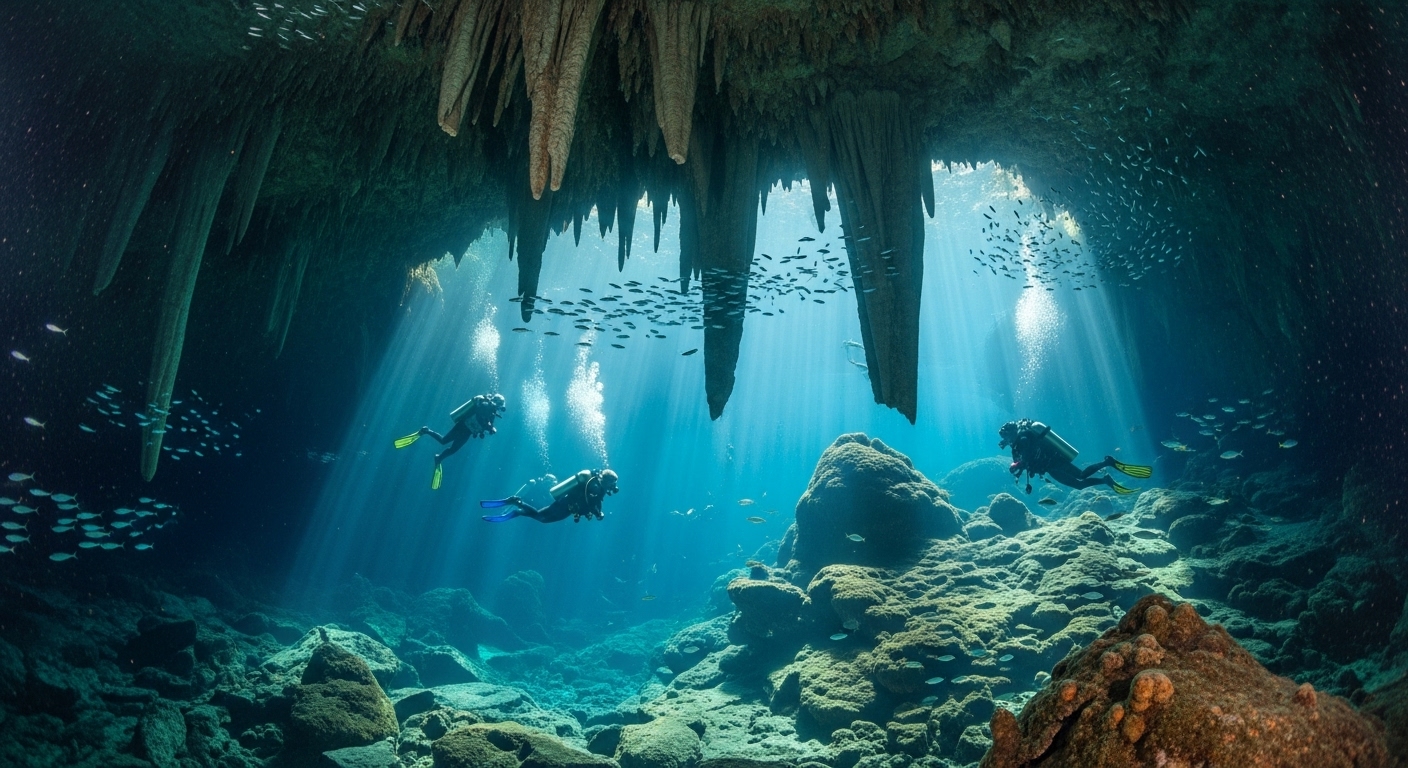
Have you ever wondered what lies beneath the surface of the world’s oceans, lakes, or rivers beyond ordinary snorkeling or scuba diving spots? Some of the most magical places on Earth are Underwater Caves With Air Chambers You Can Explore—submerged networks of tunnels that sometimes hide air pockets, ancient geological formations, and spaces where divers can surface, rest, or simply take in the mystery around them. These submerged environments are a blend of science, adventure, natural history, and sometimes even a bit of risk.
In this post, we’ll take a deep dive (quite literally) into some of the most fascinating underwater caves that not only captivate adventurous spirits but also offer access to air chambers — extraordinary features that make certain cave diving experiences unique and unforgettable.
What Makes Underwater Caves With Air Chambers So Special?
Underwater caves often form through geological processes over tens of thousands or even millions of years. When sea levels, water tables, or river flows change, previously dry caves can flood, trapping pockets of air in higher chambers. These air pockets — also known as “air bells” or sump air pockets — occur when air becomes trapped in voids during submergence, creating opportunities for exploration that diverge from typical underwater environments.
Because these caves combine dry chambers with submerged passages, they create a surreal environment: part underwater tunnel, part dry cavern. Divers talk about the eerie yet exhilarating experience of breaking the water’s surface in a cave only meters away from complete darkness. Have you ever pictured exploring a place where water and air meet deep underground? Let’s explore some of the most thrilling underwater caves with air chambers you can explore.
1) Chandelier Cave, Palau – A Multi‑Chamber Underwater Marvel
One of the most famous of all underwater caves with access to air chambers is Chandelier Cave near Palau. This spectacular cave system is known for its series of interconnected chambers, each offering unique visual wonders like glittering stalactites and intricate geological formations. :contentReference[oaicite:1]{index=1}
Divers enter through a relatively shallow opening before progressing deeper into the cave. What sets Chandelier Cave apart is its several air pockets — small dry spaces where you can break the surface and look around. These air chambers break up what would otherwise be a monotonous underwater swim and provide a chance to catch your breath and appreciate how extraordinary these hidden spaces truly are.
Chandelier Cave is regarded as suitable even for intermediate divers with proper training, making it one of the most accessible caves of its kind in the world.
2) Nereo Cave, Mediterranean Sea – Ancient Passageways Below the Waves
Located off the coast of Sardinia, Italy, Nereo Cave is one of the largest marine caves in the Mediterranean Sea. Divers here navigate through dramatic archways, tunnels, and chambers formed over millennia by water and geological forces.
While Nereo Cave’s main draw is its massive submerged corridors and stunning marine life — schools of fish, barracudas, and more — it also features archways and ceiling structures where divers can find pockets of air or near‑air environments near the surface. These areas add to the mystique, giving explorers moments to look up and see light filtering through the water in breathtaking ways.
This cave system is best suited to experienced divers due to its depth and complexity, but every moment of exploration feels like stepping into a hidden underwater cathedral.
3) Riwaka Caves, New Zealand – A Swim Through Geological Time
In New Zealand’s Nelson region, the Riwaka Caves offer an entirely different underwater cave experience. These caves begin as river passages and extend underwater where clear streams flow through limestone passages.

What makes Riwaka particularly enticing is that after swimming through a section of submerged passages, divers and snorkelers can surface into open caverns with room to breathe, stand, and explore a dramatic stalactite‑lined expanse. These caves are unique because they are part of a river cave system rather than a marine sea cave — an experience distinct from ocean‑based diving.
The combination of freshwater clarity and accessible air chambers makes Riwaka a bucket‑list cave for adventurous snorkelers and swimmers alike.
4) Sistema Nohoch Nah Chich, Mexico – Into the World’s Longest Underwater Labyrinth
If you’re curious about immense underwater cave systems, Sistema Nohoch Nah Chich near Tulum, Mexico will captivate you. This flooded limestone cave system is part of the sprawling network of cenotes and underwater passages in the Yucatán Peninsula, collectively known as Sac Actun — the longest explored underwater cave system in the world.

Within this extensive labyrinth, divers can find cavernous spaces where sunlight or even tiny air pockets make brief appearances. These experiences require advanced cave diving expertise, but they offer an unrivaled sense of discovery — swimming through a vast maze that ancient water carved over hundreds of thousands of years.
Cave divers visiting this area often combine exploration with visits to iconic cenotes, making it a truly immersive experience in both natural wonder and adventure tourism.

5) Vaadhoo Caves, Maldives – Coral‑Carved Chambers Beneath the Sea
In the Maldives, the Vaadhoo Caves — found in the South Malé Atoll — offer divers a chance to experience coral‑formed underwater caverns filled with marine life.
While these caves don’t always have extensive air chambers like Chandelier Cave, there are areas near the entrances where divers can find shallow spaces or pockets closer to the surface that act as natural break areas. The thrill here comes from swimming through intricate formations carved by years of ocean current, watching rays of light dance through openings and exploring nooks where sea creatures make their home.
Exploring With Safety in Mind
It’s important to note that exploring underwater caves — especially those with air chambers — requires the right training, equipment, and respect for the environment. Cave diving is one of the most technical forms of diving: visibility can change quickly, passages may be narrow, and navigation is a skill that takes training and practice. Even if a cave has air pockets, they don’t always provide breathable oxygen at surface pressure, and divers should never rely on such pockets for life support without proper certification and equipment.
If you’re inspired to explore these environments, consider taking certified cave or cavern diving courses and always dive with experienced guides. For those not yet ready for full cave diving, many locations such as cenotes around the Yucatán or sea caves accessible by snorkeling offer opportunities to see similar underwater wonders from a safer vantage point.
There’s something almost spiritual about walking into a world that seems cut off from the surface — where light, water, and rock converge to create spaces that feel ancient, unexplored, and almost alive. Underwater Caves With Air Chambers You Can Explore remind us that our planet holds hidden chambers of beauty, mystery, and natural artistry.
Have you ever dreamed of diving into an underwater cave or swimming through turquoise cenotes? Which underwater environment fascinates you the most — sea caves, freshwater river caves, or massive cave systems like those in Mexico? Share your thoughts and experiences in the comments below — we’d love to hear your adventure ideas!
And remember — if these underwater wonders made you smile, follow us on our social media platforms for more incredible natural wonders and adventure travel content.
Catch up on the top stories and travel deals by subscribing to our newsletter!