Imagine waking up to birdsong in the middle of a city, or grabbing your morning coffee surrounded by greenery that seems to breathe with you. That’s the world of biophilic cities — urban spaces designed to reconnect humans with nature, even amid the chaos of modern life.
For many of us, cities are synonymous with concrete jungles. But what if cities could become living ecosystems instead — where nature isn’t just preserved in parks, but integrated into every street, wall, and rooftop? The rise of biophilic design is reshaping the way we experience urban life, blending sustainability, health, and beauty into one powerful concept. If you’re a traveler seeking destinations that embody harmony between humans and the environment, these urban nature experiments are must-sees.
What Are Biophilic Cities?
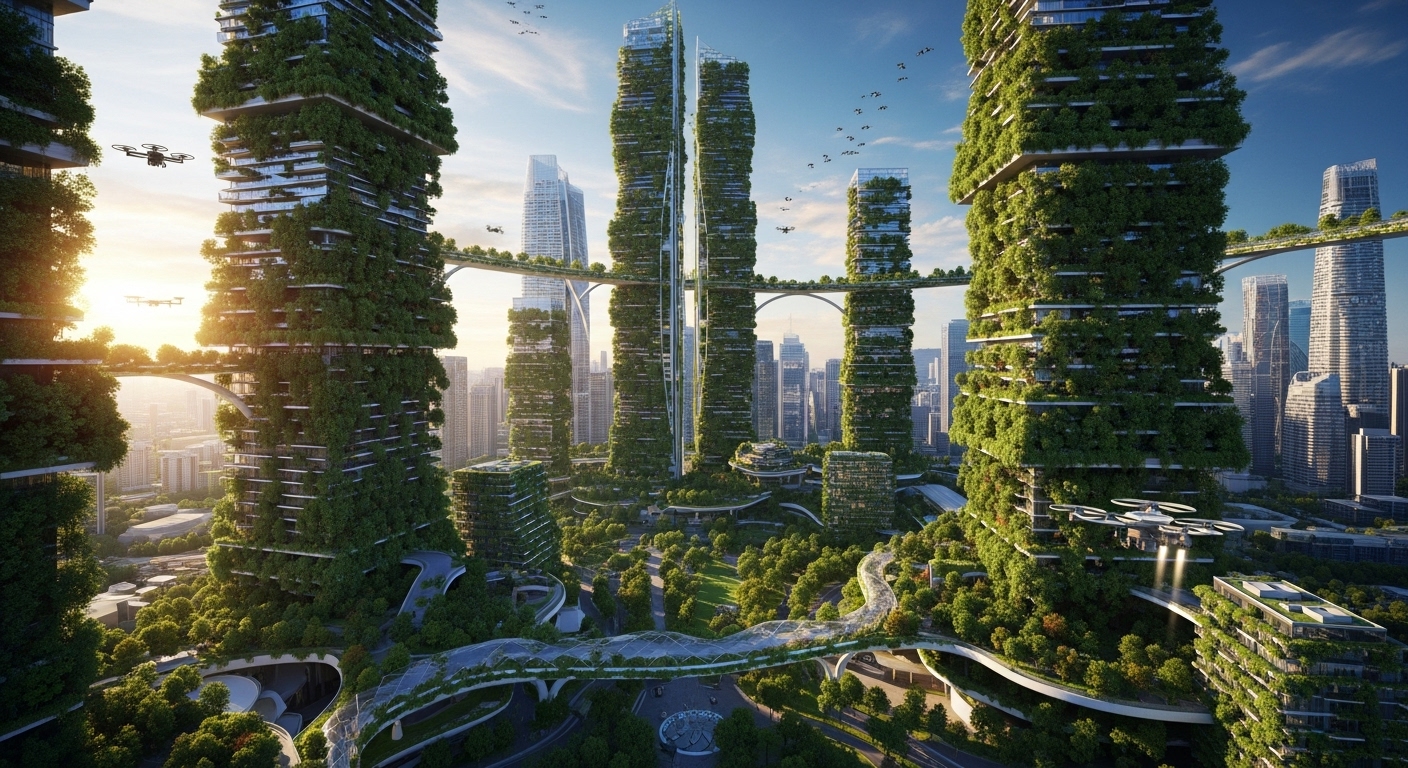
At its core, a biophilic city is one that integrates nature into its very fabric. The term “biophilia” refers to the innate human love for life and living systems. A biophilic city doesn’t just plant trees — it ensures nature is accessible, visible, and interactive for residents and visitors alike. Think vertical gardens on skyscrapers, rooftop farms, natural swimming pools, and wildlife corridors woven through city centers.
These cities are redefining what “green” living means. Rather than separating urban development from natural environments, they blur the lines, creating spaces that breathe, heal, and inspire. You’ll find that in biophilic cities, nature isn’t decoration — it’s a way of life.
Why Are Biophilic Cities Important?
Urbanization is happening faster than ever, and while technology makes our lives convenient, it often distances us from the natural world. Studies show that spending time in nature can reduce stress, improve focus, and enhance creativity. Biophilic cities bridge that gap. They turn urban landscapes into living systems that support mental well-being, biodiversity, and environmental sustainability.
And beyond the health benefits, biophilic design helps cities combat heat, pollution, and flooding — issues that are becoming more urgent with climate change. By incorporating greenery into buildings and infrastructure, cities can lower temperatures, improve air quality, and manage stormwater naturally. The result? Cities that are not only beautiful but resilient.
Singapore: The Global Pioneer
No discussion of biophilic cities would be complete without mentioning Singapore — often called the “City in a Garden.” From the futuristic Gardens by the Bay to the lush rooftop of Parkroyal Collection Pickering, Singapore proves that nature can thrive even in dense urban settings. Walking through its shaded pedestrian paths and sky gardens feels less like navigating a city and more like exploring a forest with skyscrapers as trees.
Even the airport — Changi — is a biophilic wonder, featuring waterfalls, tropical gardens, and butterfly enclosures. Singapore shows the world that biophilia isn’t just an aesthetic choice; it’s a national identity.

Oslo, Norway: Where Forests Meet the City
Oslo has taken the biophilic concept and rooted it deep in its planning. Nearly two-thirds of the city’s land area is protected forest or parkland. Locals can hike, ski, or swim in pristine lakes — all within minutes of downtown. The city’s “green belts” ensure that nature remains an integral part of urban life, and sustainable architecture blends modern design with ecological sensitivity.
What’s fascinating about Oslo is how accessible its wild spaces are. You can take public transport straight to hiking trails or fjord beaches. It’s the perfect balance between urban convenience and wilderness immersion.
Singapore Isn’t Alone: Other Cities Embracing Biophilia
Biophilic principles are spreading worldwide, inspiring both architects and policymakers. Here are a few cities worth visiting to experience these living experiments:
- Portland, Oregon (USA): A pioneer in green roofs, community gardens, and eco-conscious city planning.
- Melbourne, Australia: Known for its “Urban Forest Strategy,” which aims to double canopy cover and rewild city streets.
- Tokyo, Japan: Integrates traditional respect for nature with futuristic green architecture, like the lush Midtown Garden complex.
- Curitiba, Brazil: A global model for sustainable urban mobility and green planning.
How Travelers Can Experience Biophilic Cities
Exploring a biophilic city is more than sightseeing — it’s about slowing down and observing the natural layers within the urban fabric. You might join a rooftop garden tour, visit a sustainable food market, or even stay in an eco-hotel that prioritizes local materials and natural ventilation.
Ask yourself as you travel: How does this city make me feel? Do I sense calm, creativity, or connection? Those emotional cues often indicate successful biophilic design. It’s not just what you see — it’s what you experience.
The Future of Urban Nature
Biophilic cities are more than a trend — they’re a blueprint for the future. As climate challenges grow, cities that embrace nature will become models of resilience and livability. The goal isn’t to escape urban life but to transform it into something more organic, sustainable, and joyful.
Maybe the next time you visit a city, you’ll notice how plants creep up walls, how parks merge with plazas, or how buildings mimic trees. Those small design choices are signs of a larger shift toward cities that care for both people and planet.
We’d love to hear your thoughts! Have you explored a city where nature and architecture exist in perfect harmony? Which biophilic destinations would you add to our list? Share your experiences in the comments below — your insights could inspire other travelers to see cities through a greener lens. And don’t forget to follow us on our social media platforms for more stories about sustainable travel, urban innovation, and inspiring destinations from around the world.
Catch up on the top stories and travel deals by subscribing to our newsletter!