This summer, airlines are rewriting in-flight food rules, and travelers must prepare accordingly. Carriers such as easyJet, Ryanair, and Jet2 now enforce tighter policies. As a result, air travel has become more complicated during the busy holiday season.
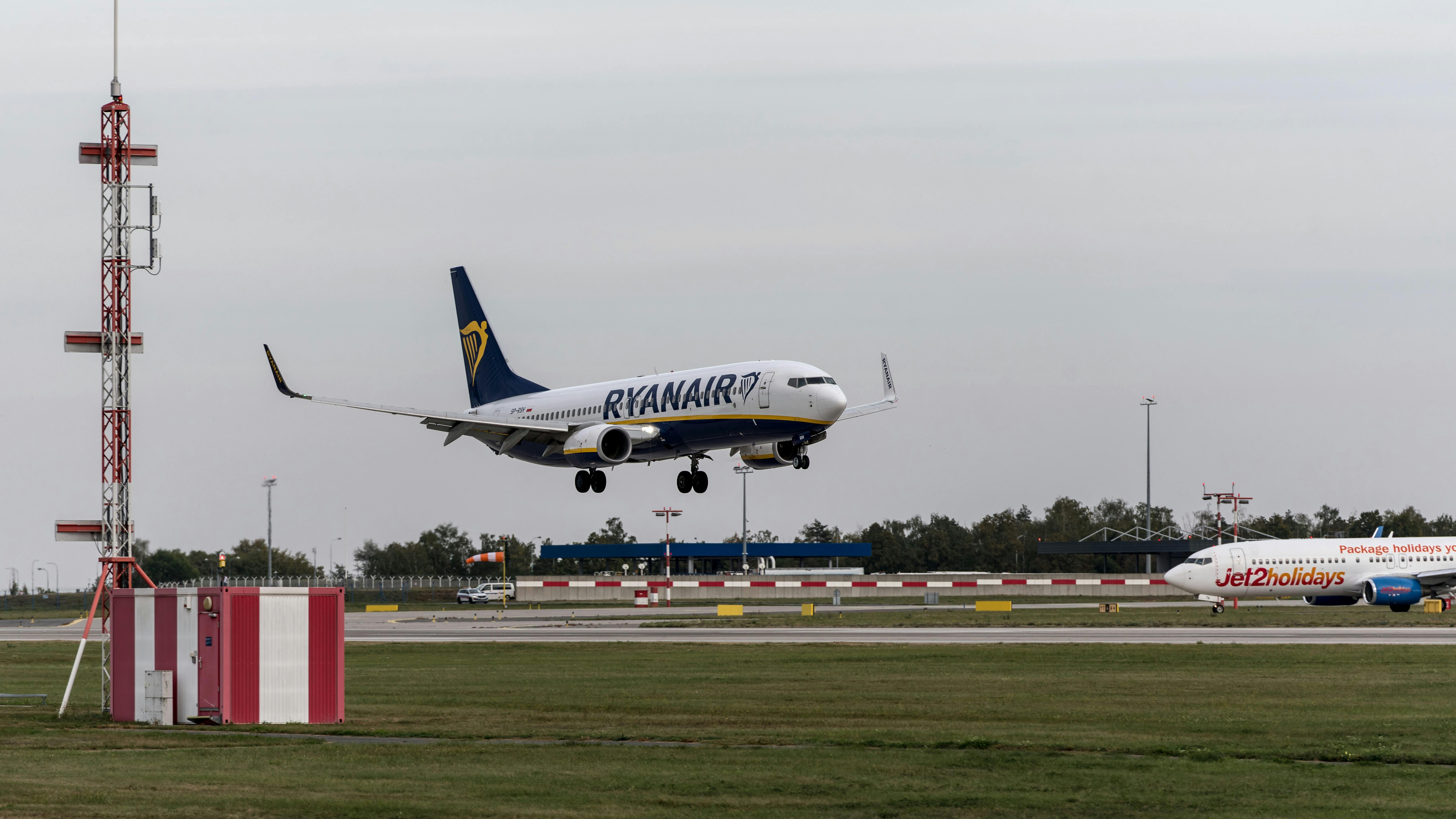
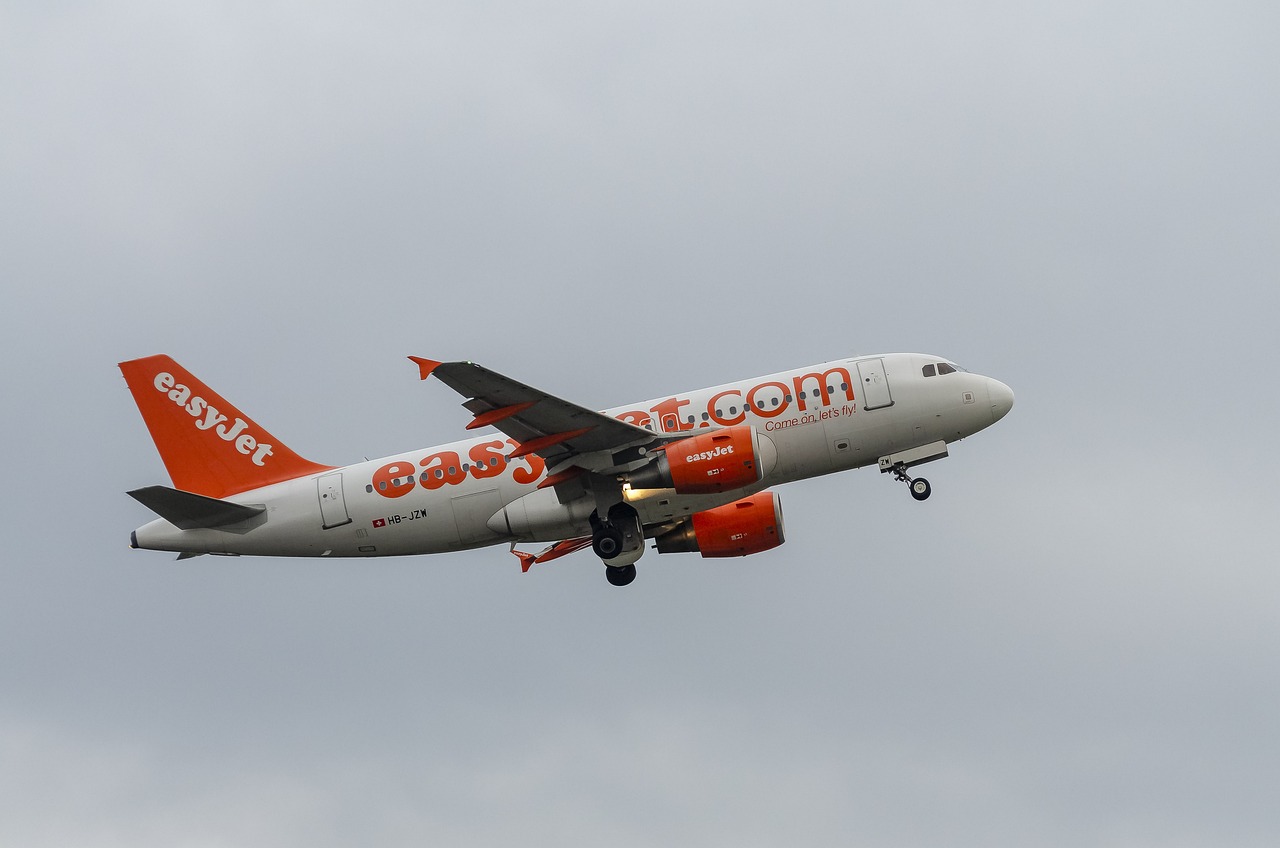
Previously, passengers could bring snacks without much thought. However, stricter in-flight food rules now target hot meals, alcohol, and strong-smelling items. Therefore, travelers must rethink what they carry onboard. easyJet permits cold snacks but restricts liquids beyond 100ml. Similarly, Ryanair allows cold food but bans hot drinks and outside alcohol. On the other hand, Jet2 applies the harshest rules, banning hot food entirely.
Meanwhile, new EU import restrictions are compounding the issue. These laws forbid travelers from bringing meat or dairy into EU countries. Thus, even a ham sandwich bought at a UK airport may be confiscated. Consequently, passengers face not just onboard limits but also customs trouble at their destination.
Airlines also cite safety and comfort concerns. For example, turbulence can cause hot drinks or food to spill and cause injury. Furthermore, strong odors from meals disturb nearby passengers. Hence, airlines prefer food that is low-risk, scent-free, and easy to manage.
Thankfully, some flexibility exists for medical and baby-related needs. For instance, most airlines permit baby food and formula in limited quantities. However, parents must notify staff in advance. Likewise, passengers with dietary needs should carry documentation and inform the crew.
To avoid delays or penalties, passengers must check airline rules before packing food. Moreover, they should understand both in-flight food rules and destination country regulations. Ultimately, a simple sandwich could lead to fines or delays if overlooked.
Therefore, planning ahead is essential. By staying informed, passengers can ensure a safer and more comfortable flight.
Related stories:
Catch up on the top stories and travel deals by subscribing to our newsletter!