
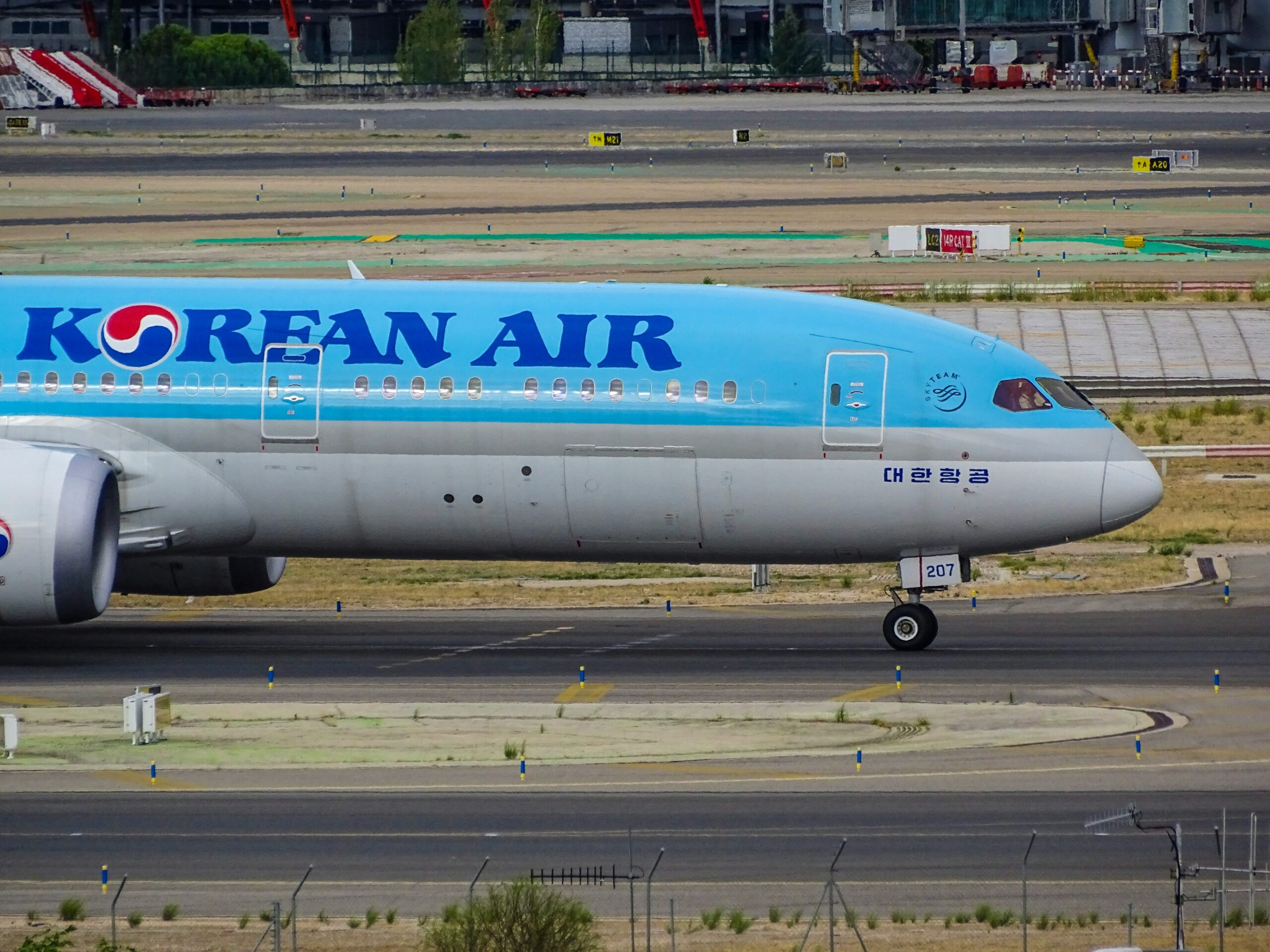
As Korean Air and Delta Air Lines revisit expansion plans, a strategic opportunity emerges between Asia and Texas. Moreover, Korean Air and Delta Air Lines aim to launch a direct Incheon-to-Austin route. Consequently, this plan aligns with rising semiconductor demand across global markets. Furthermore, this move supports Samsung’s massive investment in advanced chip production. Therefore, airlines now target faster connections between key industrial regions.
Meanwhile, Samsung drives a $37 billion semiconductor expansion in Taylor, Texas. Additionally, the project focuses on producing advanced 2nm chips for global tech leaders. As a result, engineers and executives require faster and smoother travel options. Currently, travelers face long journeys with multiple layovers and delays. Hence, a direct route could improve efficiency and reduce operational challenges.
At present, indirect flights extend travel time beyond eighteen hours. Consequently, business operations face delays and rising costs. Furthermore, professionals need quick access to manage complex semiconductor processes. Therefore, airlines see strong demand for a streamlined travel solution. In response, Korean Air and Delta Air Lines explore this route with renewed urgency.
Simultaneously, Taylor emerges as a growing semiconductor hub near Austin. Moreover, suppliers and partners continue expanding operations in the region. As a result, demand for international connectivity continues rising rapidly. Therefore, a direct flight would strengthen collaboration between South Korean and Texas industries. In addition, this route would support faster decision-making and tighter supply chains.
Previously, airlines considered this route after Samsung announced its investment. However, limited demand delayed those early plans. Now, increasing industrial activity changes market conditions significantly. Consequently, airlines expect stronger passenger and cargo demand. Therefore, this route could soon become commercially viable.
Ultimately, this proposed connection represents more than travel convenience. Instead, it supports global semiconductor growth and economic cooperation. Furthermore, improved mobility would enhance innovation and productivity across both regions. Hence, Korean Air and Delta Air Lines position themselves for long-term strategic gains. In conclusion, this route could reshape travel and industry links between South Korea and the United States.
Related stories:
Catch up on the top stories and travel deals by subscribing to our newsletter!






Leave a Reply
You must be logged in to post a comment.