Across the world, old border gates once separating countries, regions, and empires are being transformed into open-air museums that tell stories of conflict, culture, and coexistence. These spaces allow travelers and locals to walk through history, witness architectural heritage, and understand the social and political contexts that once defined borders. From medieval city gates to Cold War checkpoints, old border gates turned open-air museums offer immersive experiences that combine learning, exploration, and reflection.
Imagine strolling through a gate where guards once monitored travelers, now surrounded by plaques, sculptures, and multimedia displays. Instead of fences and checkpoints, you find walking paths, exhibitions, and public art that narrate the region’s past. This transformation not only preserves history but also promotes cultural tourism, education, and community engagement. Wouldn’t it be fascinating to see a place where borders once divided people now becoming a space for learning and connection?
The Historical Significance of Border Gates
Border gates have historically served multiple functions: military defense, trade control, taxation, and regulation of human movement. In Europe, Asia, and the Americas, these gates were often architectural marvels, combining practicality with ornate design. Some were part of city fortifications, while others marked the entry into entire nations or empires.
Old border gates are physical reminders of how geography, politics, and social systems intersected. Transforming them into open-air museums preserves these stories while allowing modern cities to repurpose historical infrastructure for education and tourism.
How Old Border Gates Become Open-Air Museums
The process of turning a border gate into an open-air museum involves restoration, curation, and thoughtful urban planning. Typically, this includes:
- Preserving the original architecture, including towers, gates, walls, and watch posts.
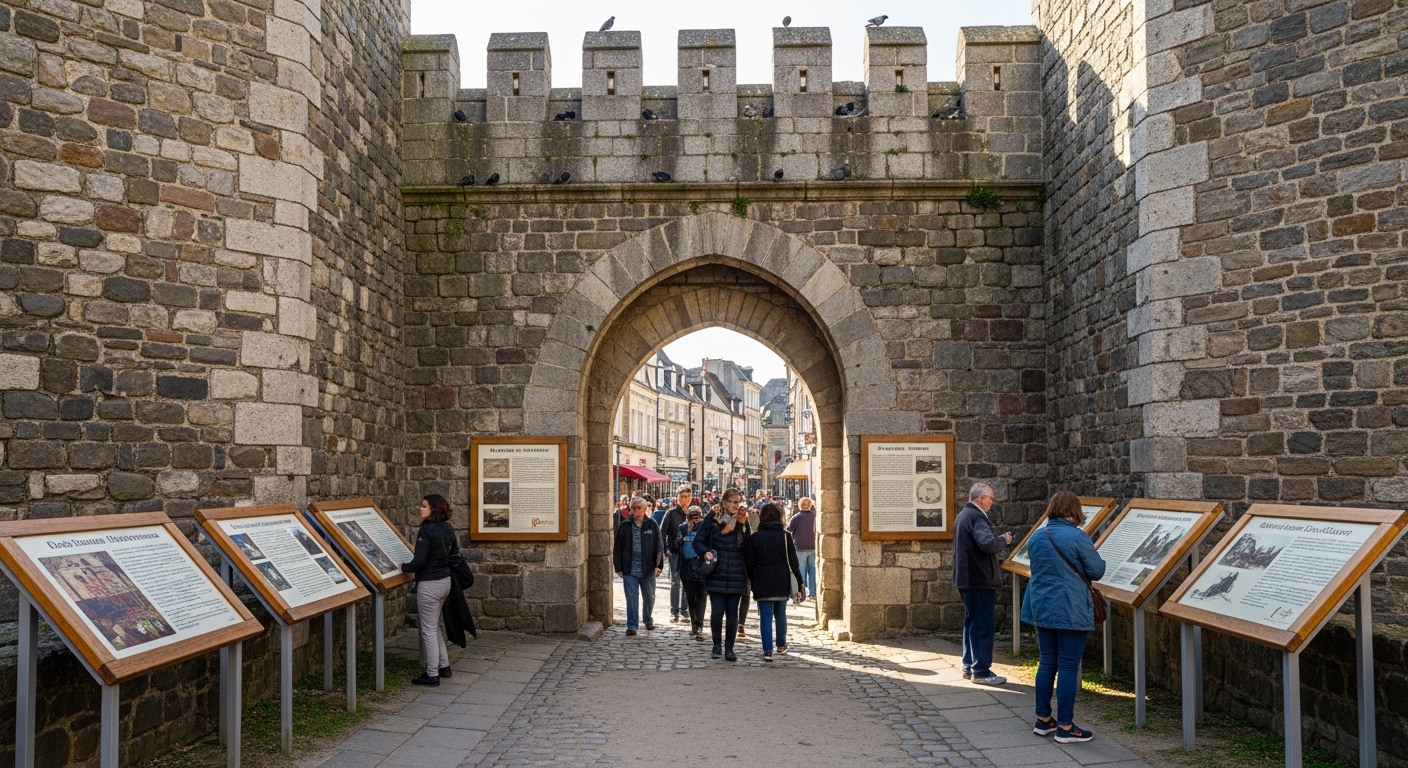
- Adding historical plaques, signage, and multimedia installations to provide context.
- Incorporating public art, sculptures, and interactive exhibits to engage visitors.
- Developing walking paths, observation points, and public spaces around the site.
- Hosting events, guided tours, and educational workshops to increase community involvement.
These transformations turn former zones of control and division into spaces that invite curiosity, reflection, and social engagement. Wouldn’t it be interesting to visit a border gate that now serves as a playground for history and culture?

Notable Examples Around the World
Many cities have successfully transformed their old border gates into open-air museums. Here are a few examples:
- Berlin, Germany: The famous Brandenburg Gate, once a symbol of division during the Cold War, is now part of an open-air museum experience detailing Berlin’s turbulent 20th-century history. Visitors can learn about checkpoints, the fall of the Berlin Wall, and the reunification of Germany. More information can be found at Visit Berlin.
- Chiang Mai, Thailand: The old city gates of Chiang Mai have been preserved and enhanced with cultural exhibits, festivals, and art installations that highlight the region’s Lanna heritage. Check local tourism guides at Tourism Thailand.
- Gdańsk, Poland: Medieval gates like the Golden Gate now serve as open-air museums, providing insights into trade, defense, and urban life in historic Poland.
- Jerusalem, Israel: Ancient city gates like Jaffa Gate have been converted into cultural spaces with exhibitions detailing the city’s long, complex history. Visitors can explore public art, museums, and walking tours.
- York, England: The historic city walls and gates, such as Micklegate Bar, now host exhibitions and interactive installations showcasing medieval life and border control practices in England.
Why These Transformations Matter
Turning old border gates into open-air museums is more than preservation—it’s a powerful statement about reconciliation, education, and cultural identity:
- Historical Preservation: Original structures are maintained while their stories are shared with the public.
- Tourism and Economic Development: Open-air museums attract visitors, benefiting local businesses and cultural programs.
- Community Engagement: Residents participate in curating, guiding, and maintaining these sites, fostering local pride.
- Education: Visitors gain immersive knowledge about political, social, and military history.
Have you ever visited a historical site where learning and leisure merged seamlessly? Open-air border museums provide exactly that kind of experience.

Interactive Experiences for Visitors
Modern open-air border museums often include interactive features to enhance learning:
- Augmented reality apps that show historic events on-site.
- Walking tours led by historians or local guides.
- Art installations and sculptures representing past conflicts or cultural heritage.
- Recreated checkpoints or military posts for immersive experiences.
- Photography and storytelling opportunities for tourists and students.
These features make the historical narrative tangible and memorable. How would you feel walking through a gate that once controlled who entered a city, now transformed into an interactive museum?
Challenges in Preserving and Repurposing Border Gates
While transforming border gates into museums has many benefits, it comes with challenges:
- Structural Preservation: Ensuring that old gates and walls remain intact requires careful restoration and maintenance.
- Funding: Converting historic gates into museums needs investment from government or private sponsors.
- Urban Integration: Open-air museums must coexist with modern urban life without disrupting local communities.
- Visitor Safety: Old structures need modifications to ensure they are safe for large numbers of tourists.
Despite these challenges, cities that succeed in this transformation provide valuable cultural and educational experiences for residents and travelers alike.
The Future of Open-Air Border Museums
The trend of converting old border gates into open-air museums is likely to continue as urban planners and historians seek creative ways to preserve heritage while educating the public. Advances in digital technology, virtual tours, and interactive displays can make these museums even more engaging.
Imagine a city gate where you can see historical footage overlaid on your smartphone, hear voices of people from past centuries, and walk along the same paths soldiers and merchants once used. This immersive experience is the future of old border gates turned open-air museums.
Would you visit a border gate museum that combines history, art, and interactive technology in your next city adventure? Share your thoughts in the comments!
Follow WentWorld.com on social media to stay updated on unique travel destinations, cultural explorations, and historical adventures around the globe.
Catch up on the top stories and travel deals by subscribing to our newsletter!