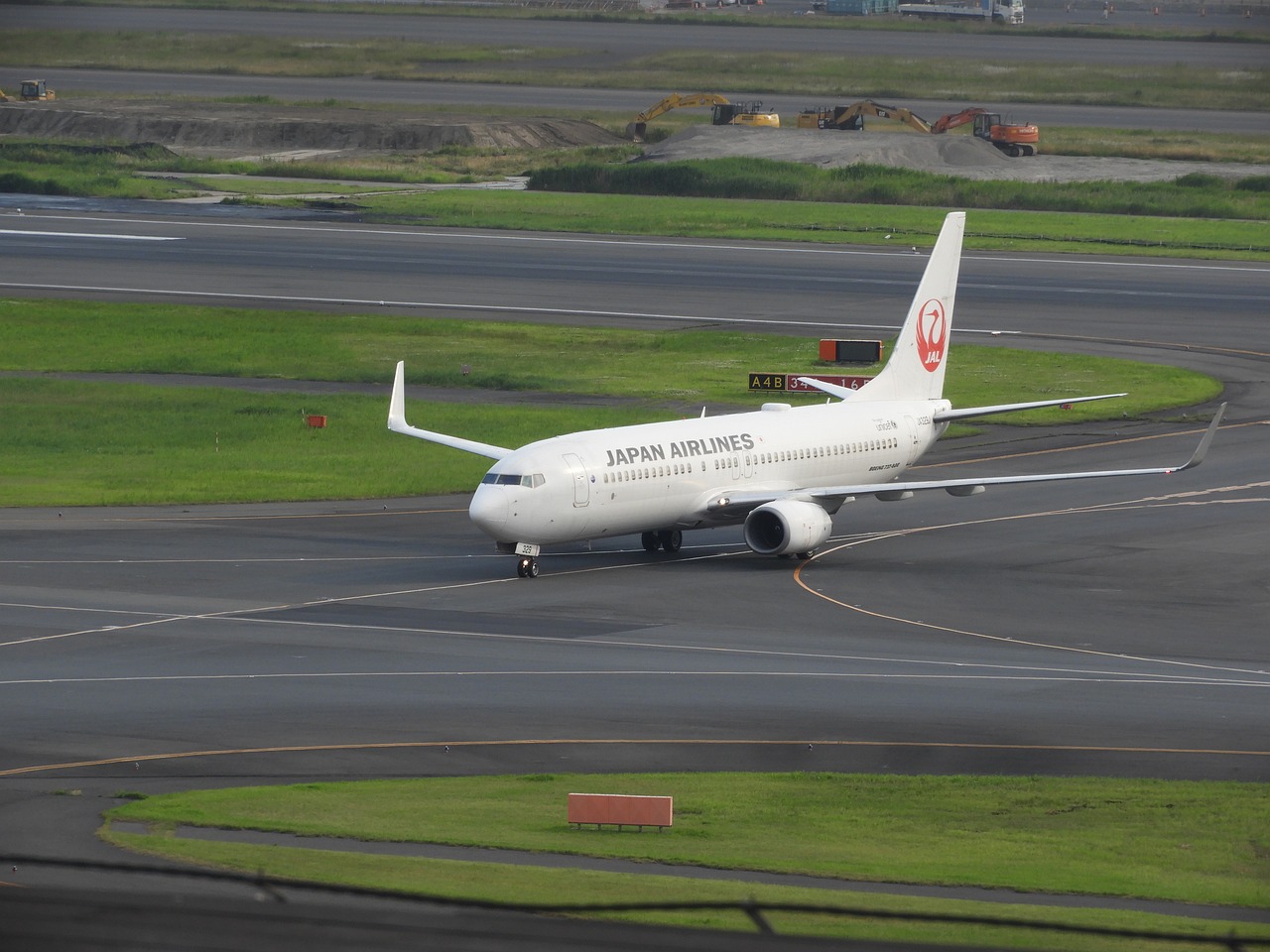
A massive quake near Russia’s Kamchatka Peninsula triggered tsunami alerts throughout Japan. As a result, officials canceled all flights to Sendai Airport. Consequently, major airports across the country faced severe disruptions and overflow.
Sendai Airport shut down immediately after the alert. Therefore, airlines canceled all departures and arrivals. This decision caused a domino effect across Japan’s air travel network. Meanwhile, airports in Tokyo, Osaka, and Fukuoka struggled with diverted traffic and stranded passengers. Moreover, they faced operational bottlenecks due to packed terminals and rerouted flights.
Furthermore, domestic and international carriers began canceling flights as congestion increased. Airlines like Air Canada and Korean Air adjusted schedules due to the sudden shift in demand. In contrast, Japan Airlines and All Nippon Airways offered rebooking services and hotel accommodations. However, delays and confusion still overwhelmed passengers and ground staff alike.
Additionally, long lines and limited updates frustrated many travelers. Despite that, airline staff worked around the clock to assist passengers. The widespread cancelation also reignited concern over Japan’s readiness for sudden disasters. As history shows, the nation often faces these natural threats without warning.
Therefore, airports in unaffected cities still encountered delays and overflow issues. Travelers found it hard to reach destinations, even far from Sendai. Recovery may take several days. Until then, passengers should remain alert and flexible with travel plans. Meanwhile, cancelations continue to rise as airlines adjust operations under pressure. For now, travelers must check flight status regularly. This situation will likely affect schedules for several more days.
Related stories:
Catch up on the top stories and travel deals by subscribing to our newsletter!