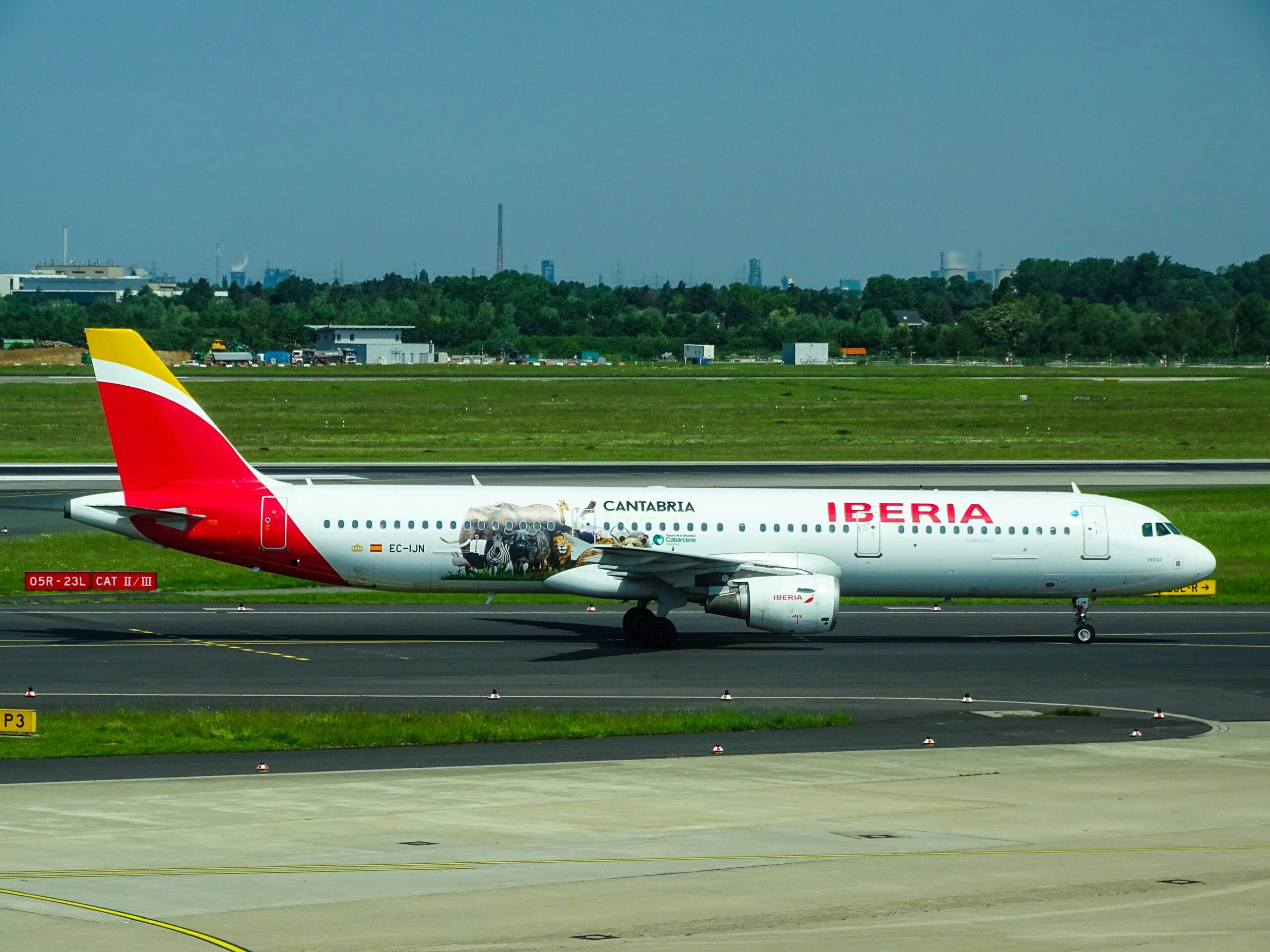
Madrid skies turned chaotic on August 3 when an Iberia jet hit a vulture shortly after takeoff. The Airbus A321XLR, flying to Paris, had to return quickly to Madrid due to the damage. This marked a serious moment for Iberia, as the jet suffered harm to both its weather radar and left engine. The airline added this new aircraft to its fleet less than a year ago.
Bird strikes remain a known risk around major airports, despite strict wildlife control measures. Iberia faced this danger head-on. Pilots detected a possible engine fire and acted instantly. They guided the aircraft back to Madrid and landed it safely within 30 minutes. The plane’s nose cone, which protects critical radar equipment, was visibly crushed. The damage also affected the engine’s fan blades.
As a result, the aircraft could not continue. However, Iberia didn’t waste time. Within two hours, another plane carried all passengers to Paris. The backup aircraft, an A320neo, reached Paris with just a four-hour delay. Iberia managed the situation smoothly, despite the setback to its new long-range aircraft model.
This incident tested Iberia’s operational strength. The airline launched the A321XLR in 2024 to expand its international network. But a large vulture disrupted those plans in seconds. Madrid-Barajas Airport lies close to areas with growing bird populations, especially vultures. That makes such collisions more likely, despite constant monitoring.
Iberia now faces a lengthy repair process for the damaged aircraft. However, the airline stays confident about the aircraft’s role in its fleet expansion. While this event was rare, it shows how unpredictable air travel can get—even with advanced aircraft. Iberia’s quick reaction and flight safety focus ensured passengers reached their destination safely.
Related stories:
Catch up on the top stories and travel deals by subscribing to our newsletter!