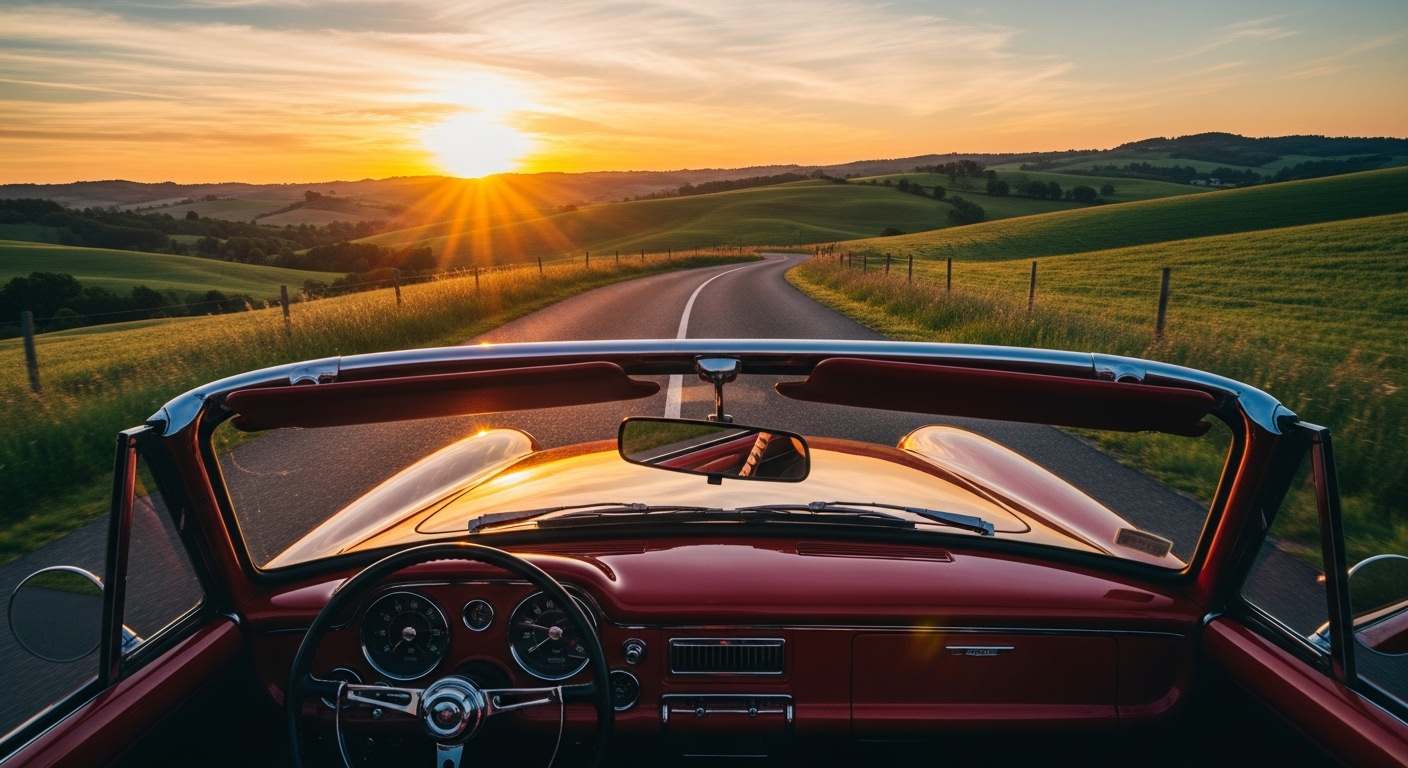
When most travelers follow the same well-worn road trip trails, choosing a reverse road trip can unlock unexpected joys. Instead of crowds and standard itineraries, you’ll experience fresh perspectives, hidden gems, and deeper immersion. Planning a reverse road trip means intentionally flipping the script—choosing quieter roads, reversing popular directions, and crafting your journey with discovery at its heart.
If you crave curiosity, calm, and the delight of “what’s around the bend,” reversing the route is a simple way to reshape your travel. This guide helps you find less-traveled roads, plan intentionally, stay safe, and craft memorable moments along unfamiliar paths.
1. Why Choose a Less-Traveled Route
Following the normal sequence of landmarks often means starting with the busiest stops—and ending on an anticlimactic note. Instead, a reverse road trip realigns your energy: you avoid peak crowds, enjoy cooler mornings at popular sites, and meet locals in under-the-radar towns. Plus, reversing routes often flips the scenery—giving you fresh perspectives at each turn.
2. How to Identify Your Route Backwards
Choose your intended classic route—whether it’s Pacific Coast Highway, Route 66, or the Garden Route—and literally map it backwards. But don’t end there: use mapping tools to spot small detours, state highways, and scenic byways that break away from the main roads.
Sites like Roadtrippers or AllTrails can suggest lesser-known forks, scenic lookouts, and rural cafes. The idea? Keep the spirit of the original road trip but rewrite the story in your own way.
3. Plan Stops Around Local Life
A reverse road trip lets you schedule rest in towns that typically serve as end-of-route overnight stops. Use local forums to find weekly farmers’ markets, community events, or hidden river swimming holes. Even lunchtime pit-stops turn into cultural pauses, not just fuel breaks.
4. Gear and Logistics Tips
- Fuel range: Ensure your route includes stations—a reverse itinerary may bypass chain stops.
- Accommodation booking: Reserve early in small towns; many lodging options are limited or family-run.
- Navigation tools: Bring offline map downloads—some back roads lose signal.
- Vehicle prep: Check tire tread, spare, fluids—less-traveled roads can be rougher.
- Adapt flexible days: Build in buffer days to follow roadside invitations or detour for events.

5. Capture the Unexpected
Without the pressure of a checklist, you create space for surprises: roadside art, rural festivals, family-run diners with epic pies. Keep a journal or smartphone folder to document stories, found snacks, and local advice. These are the moments you’ll talk about for years.
6. Real Reverse Road Trip Example
Take a standard California Pacific Coast loop, but start in Monterey instead of San Francisco. Follow the coast south through Big Sur at dawn, stopping at hidden coves. Move inland at San Simeon’s hybrid route, end days in agricultural towns like Paso Robles. Continue inland to Santa Barbara and finally loop northward through wine country before returning. Travelers found fewer crowds, more vineyard chats, and a unique water-to-wine contrast along the way.
7. Blend of Flexibility & Planning
Successful reverse road trips balance a sturdy baseline and wiggle room. Use daily mileage estimates, but give yourself permission to slow down in a questionable village or skip an expected stop for a sunset instead.
8. Managing Expectations & Safety
Reverse routes can mean fewer tourists—but also fewer tourist services. Prepare for fewer 24‑hour convenience stores or gas stations. Pack emergency snacks, water, and local SIM with data. Use travel forums or local FB groups to ask in real time.
9. Souvenirs and Stories from the Road Less Traveled
Instead of standard trinkets, collect items like postcards from local cafes, jars of regional jam, or simple ceramics made by roadside potters. Each holds a story—often told by the maker or a neighbor. Unlike mass-market souvenirs, these have character and connection.

10. Return With More Than Memories
A reverse road trip reshapes how you travel. You slow instinctively, choose curiosity over convenience, and notice the small rhythms of places. When you return home, your photos don’t just show landmarks—they show people, textures, and such moments that feel like reclaimed treasure.
11. Tips for First-Time Reverse Road Trippers
- Share your plan: Let a friend know your route and check-in schedule.
- Trust local advice: Talk to ranchers or cafe owners—they often know the best spur-rails to secret vistas.
- Stay open-minded: A canceled event may redirect you to a market or a roadside entertainer.
- Balance routes: Alternate scenic drives with highways to adjust travel fatigue.
Planning a reverse road trip isn’t just a twist on route—it’s a mindset shift. It’s choosing wonder over itinerary, presence over perfection, and connection over crowd. So next time you chart a trip, consider traveling in reverse—you might just write a richer story.
Catch up on the top stories and travel deals by subscribing to our newsletter!