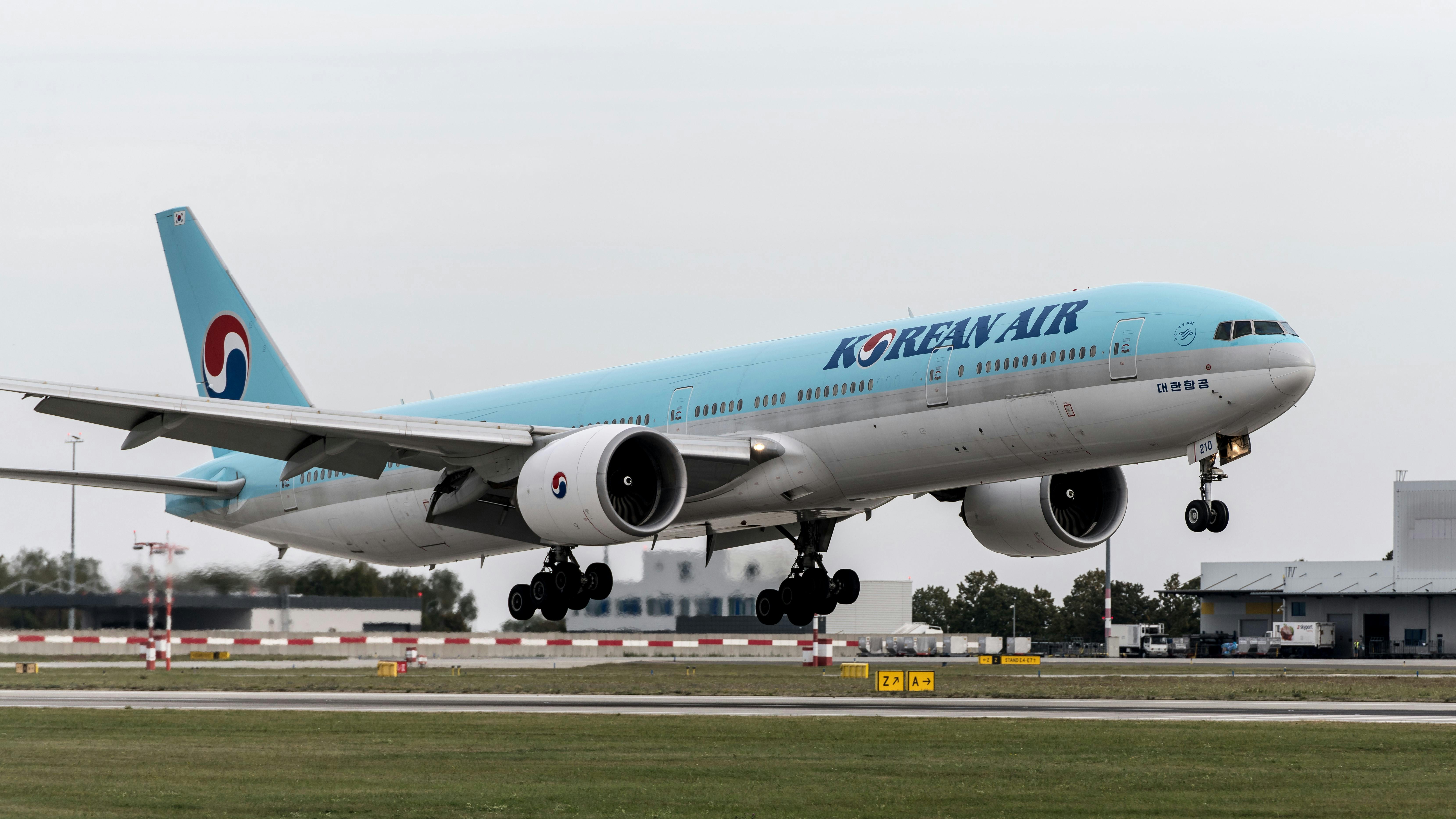
As global travel expands, Korean Air introduces a strict power bank ban from January 26, 2026. Because Korean Air prioritizes safety, the airline restricts power bank use during flights. Moreover, Korean Air applies this rule alongside Asiana Airlines and affiliated carriers. Therefore, the policy addresses rising concerns around lithium-ion battery fires onboard aircraft.
Because travelers rely heavily on electronics, airlines face new safety challenges during modern flights. Consequently, Korean Air responds decisively to battery-related incidents reported across the industry. Moreover, lithium-ion cells inside power banks carry overheating and short-circuit risks. Therefore, Korean Air aims to reduce cabin hazards through proactive prevention.
As safety rules evolve, passengers may still carry power banks inside cabin baggage. However, travelers cannot use these devices to charge electronics mid-flight. Because in-flight charging increases fire risks, Korean Air enforces strict compliance. Therefore, cabin crews can manage emergencies more effectively.
Meanwhile, Korean Air also requires added precautions before boarding procedures begin. Because exposed charging ports increase short-circuit chances, passengers must secure them properly. Additionally, travelers can store power banks separately inside protective pouches. Therefore, the airline reduces accidental contact with metal surfaces.
As industry awareness grows, other carriers already restrict lithium batteries inside checked luggage. Consequently, Korean Air strengthens cabin-focused rules for better protection. Because fires spread quickly inside aircraft cabins, prevention remains essential. Therefore, airlines adopt tighter controls over personal electronics.
Moreover, Korean Air aligns its policy with earlier domestic safety initiatives. Because previous battery incidents alarmed regulators, airlines now emphasize accountability. Additionally, Air Busan previously limited power bank carriage entirely. Therefore, this unified approach signals a wider aviation shift.
As passengers adapt, Korean Air encourages awareness around battery handling responsibilities. Because smartphones and laptops use similar batteries, vigilance matters during travel. Consequently, travelers should prepare devices carefully before boarding flights. Therefore, safety cooperation improves outcomes for everyone onboard.
Ultimately, Korean Air reinforces its commitment to passenger protection through this ban. Because technology use continues rising, aviation safety must evolve. Moreover, airlines now balance convenience with strict risk management. Therefore, this policy supports safer skies for future journeys.
Related stories:
Catch up on the top stories and travel deals by subscribing to our newsletter!