
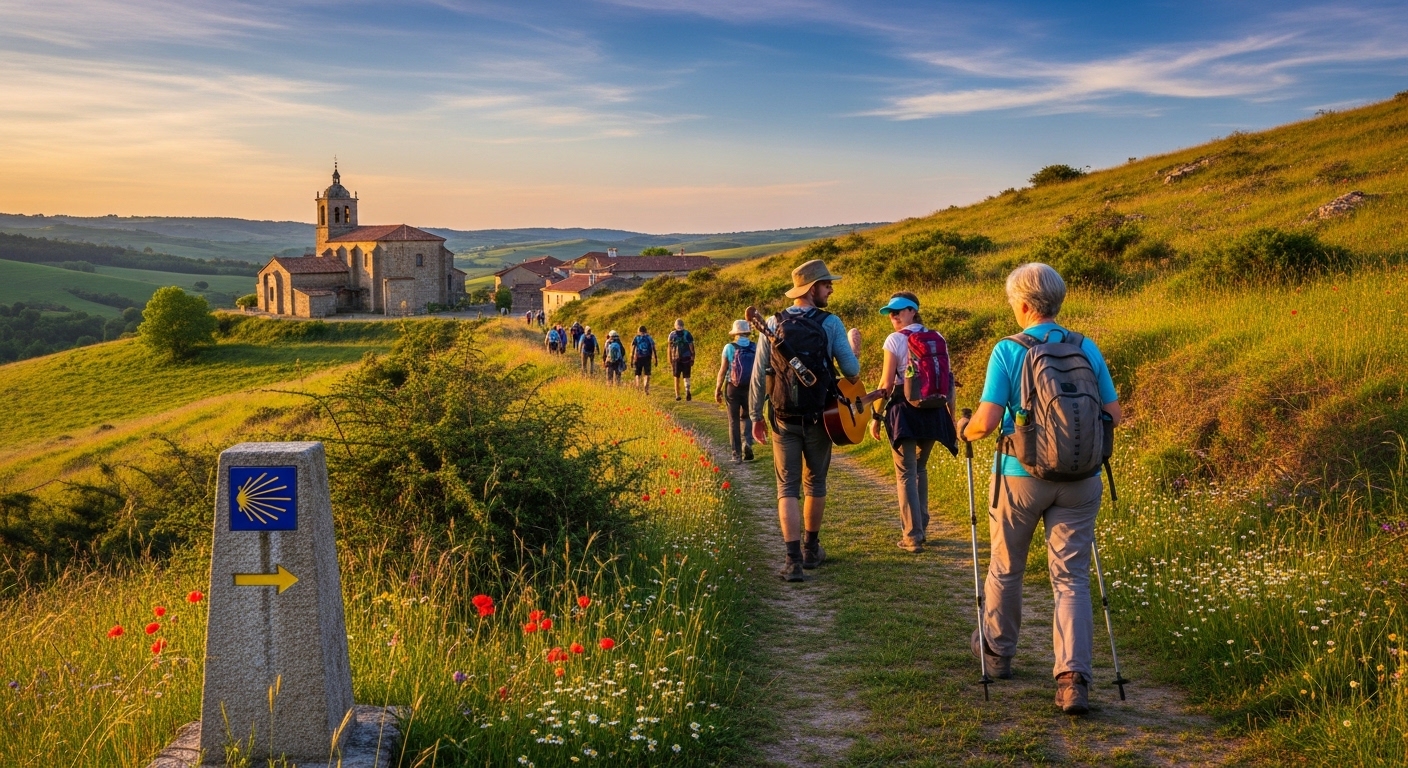
Travel is not always about reaching a destination quickly. Sometimes, the journey itself carries stories that shaped civilizations. Across continents, historic walking trails that shaped nations continue to attract travelers who seek more than sightseeing. These paths hold memories of trade, migration, war, spirituality, and transformation. From ancient pilgrimage routes to strategic military paths, these trails have influenced cultures, economies, and even political borders.
When you walk these historic routes, you do not just explore landscapes. You step into stories that unfolded over centuries. Every stone, every bend, and every milestone carries meaning. Travelers who choose historic walking trails that shaped nations often find themselves deeply connected to history in ways museums cannot replicate.
Have you ever wondered how a simple path could influence the rise of empires or the spread of ideas? These trails offer answers, one step at a time.
Why Historic Walking Trails That Shaped Nations Matter Today
Modern infrastructure allows us to travel quickly, yet it often disconnects us from the past. Historic walking trails that shaped nations remind us of a time when journeys required patience, endurance, and purpose. These routes connected cities, cultures, and communities long before airplanes and highways existed.
Many of these trails served as trade routes where goods, knowledge, and traditions moved across regions. Others acted as pilgrimage routes that shaped spiritual practices and beliefs. Some were military paths that determined the outcomes of wars and the formation of borders.
Today, these trails serve a different purpose. They offer travelers a chance to slow down, reflect, and experience history firsthand. Walking these paths provides a deeper understanding of how nations evolved.
The Camino de Santiago: Europe’s Legendary Pilgrimage Route
One of the most famous historic walking trails that shaped nations is the Camino de Santiago in Spain. For centuries, pilgrims have walked this route to reach the shrine of Saint James. The trail not only shaped religious traditions but also contributed to the cultural unity of Europe.
Travelers from across the world arrive in cities like Santiago de Compostela to complete their journey. Along the way, they pass through villages, historic churches, and scenic landscapes that have remained unchanged for generations.
The Camino continues to influence modern travel by promoting slow tourism and cultural exchange. Many travelers describe the experience as life-changing, not just physically but emotionally.

The Inca Trail: A Path to an Ancient Civilization
High in the Andes Mountains, the Inca Trail stands as a testament to one of the most advanced ancient civilizations. This trail connects travelers to the iconic Machu Picchu, offering breathtaking views and historical insight.
The Incas built this network of trails to connect their vast empire. These routes played a crucial role in communication, trade, and governance. Walking the Inca Trail today allows travelers to witness the engineering brilliance of the Inca civilization.
Every step reveals stone pathways, terraces, and ruins that reflect a sophisticated society. This is one of the most powerful examples of historic walking trails that shaped nations.
The Appalachian Trail: A Journey Through American History
The Appalachian Trail stretches across the eastern United States, covering thousands of miles. While it is known today as a hiking destination, it also reflects the historical development of the region.
This trail passes through areas that played important roles in American history, including early settlements and frontier lands. Organizations like the Appalachian Trail Conservancy help preserve its legacy.
Walking this trail offers a blend of natural beauty and historical reflection. It highlights how landscapes influenced the growth of communities and the expansion of a nation.
The Silk Road Paths: Connecting East and West
The Silk Road was not a single path but a network of routes that connected Asia, Europe, and the Middle East. These historic walking trails that shaped nations facilitated the exchange of goods, ideas, and cultures.
Cities like Samarkand became thriving centers of trade and culture. Merchants, travelers, and explorers used these routes to transport silk, spices, and knowledge across continents.
The Silk Road played a significant role in shaping global history. It influenced economies, introduced new technologies, and fostered cultural diversity.
The Great Wall Trails: Defining China’s Borders
The Great Wall of China is one of the most iconic structures in the world. However, the trails that run alongside it are equally significant. These paths were used by soldiers to patrol and defend the empire.
Today, visitors can explore sections near Beijing, where the wall and its trails offer stunning views and historical context.
These routes reflect the strategic importance of defense and territorial boundaries. They remain powerful examples of how infrastructure can shape a nation’s identity.
The Kumano Kodo: Japan’s Spiritual Pathways
Japan’s Kumano Kodo trails have guided pilgrims for over a thousand years. These routes connect sacred sites in the mountains, offering a spiritual journey that continues to attract travelers.
Visitors traveling via Japan National Tourism Organization often include these trails in their itinerary. The experience combines nature, spirituality, and cultural heritage.
The Kumano Kodo demonstrates how historic walking trails that shaped nations can also influence spiritual traditions and cultural identity.
What Makes These Trails So Powerful
Historic walking trails that shaped nations are more than physical paths. They represent human determination, exploration, and connection. Each trail tells a story of movement, whether it involves pilgrims seeking faith, traders building economies, or armies shaping borders.
Walking these trails allows travelers to experience history in motion. Unlike reading a book or watching a documentary, walking creates a personal connection to the past.
The Emotional Experience of Walking Through History
Many travelers describe a deep emotional connection when walking historic trails. There is a sense of continuity, knowing that people walked the same paths centuries ago.
This experience often leads to reflection. Travelers think about the challenges faced by those who walked before them. They also gain a greater appreciation for modern conveniences.
Have you ever walked a path that made you feel connected to history? What emotions did you experience?
Preserving Historic Walking Trails That Shaped Nations
Preservation efforts play a crucial role in maintaining these trails. Governments, organizations, and local communities work together to protect their historical and cultural significance.
Sustainable tourism practices ensure that these routes remain accessible for future generations. Travelers also play a role by respecting local environments and traditions.

Tips for Exploring Historic Walking Trails
Research Before You Go
Understanding the history of a trail enhances the experience.
Prepare Physically
Some trails require endurance and proper planning.
Respect Local Culture
Follow traditions and guidelines when visiting communities.
Travel Responsibly
Leave no trace and support local businesses.
Reflect on the Journey
Historic walking trails that shaped nations remind us that movement has always been a part of human history. These routes connected people, ideas, and cultures long before modern transportation.
Walking these trails today offers a unique perspective on how nations developed. It transforms travel into an educational and emotional journey.
Which of these trails would you love to explore? Would you walk for history, adventure, or personal growth?
Share your thoughts and experiences with us. We would love to hear your stories.
If you enjoy discovering meaningful travel experiences, follow WentWorld on social media for more inspiring stories, guides, and insights from around the world.
Catch up on the top stories and travel deals by subscribing to our newsletter!










Leave a Reply
You must be logged in to post a comment.