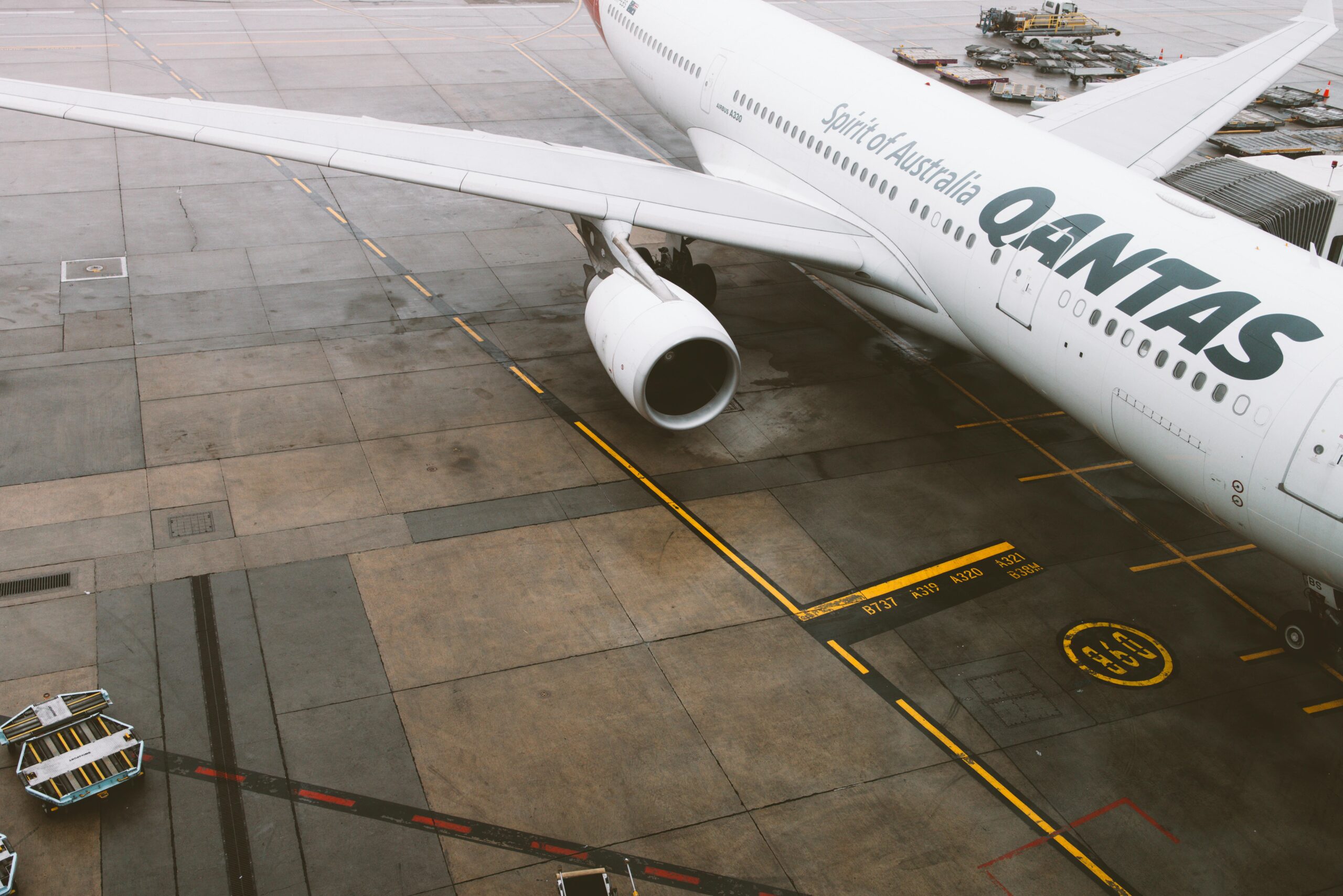
Qantas faces a major crisis after a massive cyberattack exposed 5.7 million customer records. The shocking breach has stirred concerns across Australia’s aviation industry and beyond. As a result, global travelers are now questioning how safe their personal data remains in airline systems. Moreover, the incident highlights how airlines depend heavily on digital platforms and third-party networks to run daily operations.
However, Qantas moved fast to contain the damage and rebuild trust. The airline immediately obtained a court order to block access to the stolen data. Then, it engaged cybersecurity experts to trace the breach and close vulnerabilities. Furthermore, Qantas joined forces with national authorities to reinforce its systems. These actions not only reduced risks but also demonstrated how proactive management protects digital assets.
Although the company confirmed no credit card or passport information was stolen, anxiety remains high. Still, travelers now worry about their names, emails, and loyalty details falling into the wrong hands. Consequently, airlines worldwide are reviewing how they secure sensitive data. In addition, industry leaders are emphasizing collaboration between aviation and cybersecurity agencies to prevent similar incidents.
To further restore confidence, Qantas offered free identity protection and credit monitoring to impacted passengers. Meanwhile, it advised travelers to stay alert for suspicious messages or phishing attempts. Through this transparency and support, the airline aims to rebuild long-term trust.
Ultimately, this cyberattack serves as a sharp reminder that convenience must never outweigh protection. Therefore, airlines must treat cybersecurity with the same urgency as flight safety. With stronger coordination, better systems, and continuous awareness, Qantas and the aviation industry can build digital resilience for the future.
Related stories:
Catch up on the top stories and travel deals by subscribing to our newsletter!