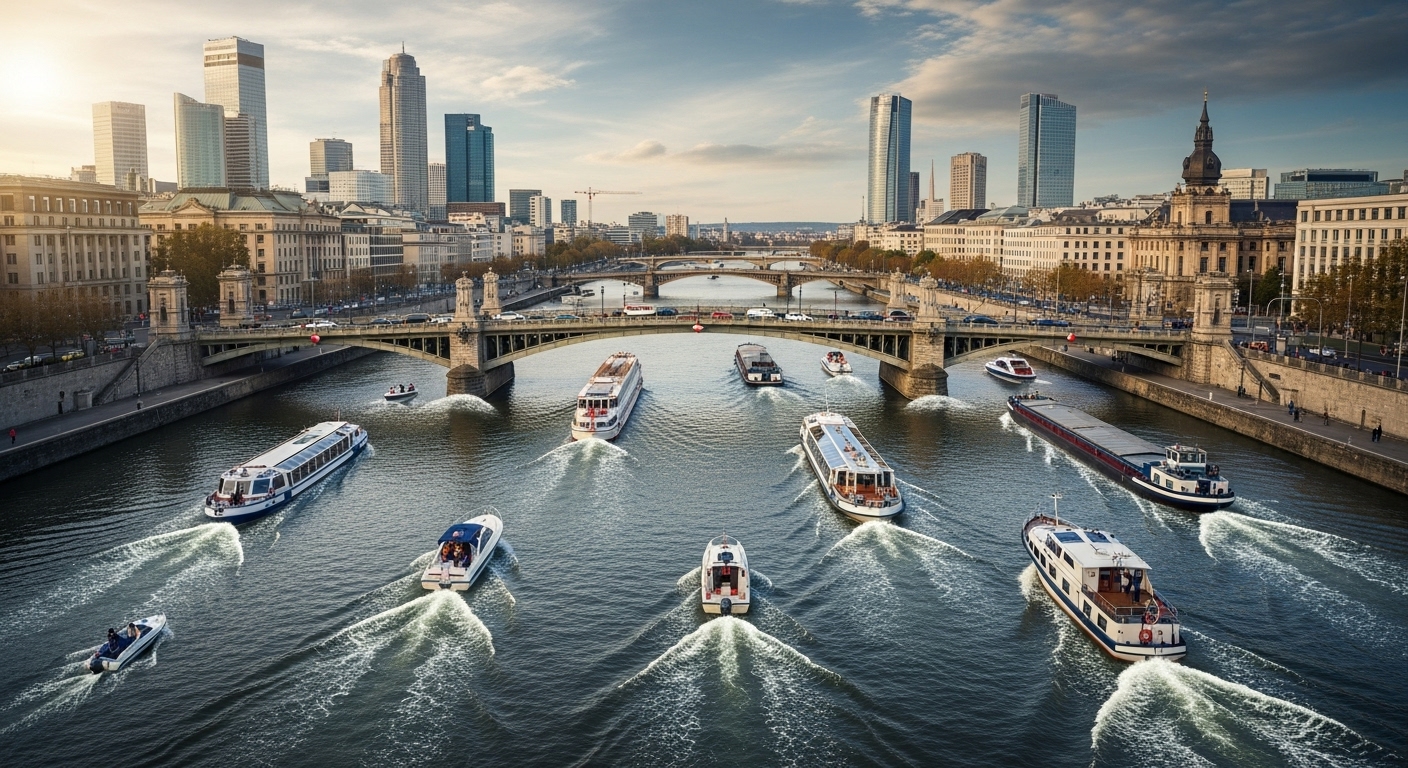
Rivers usually have a straightforward story: they flow from highlands to lowlands, from source to sea. But in some cities around the world, rivers behave unexpectedly, seemingly defying gravity by flowing backward. The phenomenon of cities where the rivers flow backward sparks curiosity, wonder, and a touch of disbelief. Have you ever imagined walking along a river that seems to reverse its path, with water moving upstream instead of downstream? It’s a rare, fascinating spectacle that combines natural science, human engineering, and urban history.
In this blog, we explore the causes behind backward-flowing rivers, highlight some cities where you can witness this unusual phenomenon, and explain why understanding these anomalies matters for hydrology, city planning, and climate awareness. Whether you’re a geography enthusiast, a traveler seeking unusual sights, or someone who loves quirky natural wonders, this journey will intrigue you from the first paragraph to the last.
What Makes a River Flow Backward?
At first glance, a river flowing backward seems impossible. Rivers are powered by gravity, so how can water reverse direction? The answer lies in a combination of natural and human-induced factors. Sometimes, rivers flow backward due to:
– **Tidal forces:** In coastal cities, incoming tides can push river water upstream, temporarily reversing flow.
– **Flood events:** Heavy rainfall or snowmelt can cause water to back up into rivers.
– **Human intervention:** Dams, locks, and canal systems can redirect water, causing temporary backward flow.
– **Geographical anomalies:** Valleys, slopes, and riverbeds can create unusual water flow patterns, particularly during certain seasons.
Understanding these forces helps hydrologists and city planners predict flooding, design better infrastructure, and maintain water quality. Have you ever thought about the hidden science behind the water flowing beneath your feet in a city?
Notable Cities With Backward-Flowing Rivers
Several cities around the world showcase rivers that occasionally flow backward, creating both challenges and wonders:
– **Chicago, USA** – The Chicago River famously reversed in the early 20th century due to human engineering, primarily to prevent sewage from polluting Lake Michigan. Today, locks and canals maintain the flow, but tidal influences and controlled water management still create interesting flow dynamics.
– **Amazon Tributaries, Brazil** – During seasonal floods, some tributaries experience temporary backward flow due to the immense volume of water moving downstream.
– **Río de la Plata, Argentina** – Certain low-lying river areas experience flow reversals influenced by tides and regional water levels.
– **Yangtze River Delta, China** – Engineering projects, coupled with high tides, can cause short-term reverse flows, affecting navigation and sediment transport.
Visiting cities with backward-flowing rivers offers not just a unique sightseeing experience but also insight into how humans and nature interact to shape waterways. Would you be interested in seeing such a river in action?

The Science Behind Tidal Reversals
Tidal forces are the most common natural reason for rivers flowing backward. Coastal rivers are connected to larger bodies of water, like seas or oceans, and their water levels are affected by tides. When the tide rises, seawater pushes against the river’s flow, creating a temporary reversal. The effect is especially dramatic during spring tides or storm surges.
Hydrologists study these tidal reversals to understand river dynamics and predict flood risks. For city residents, this knowledge is critical. It influences infrastructure planning, bridge construction, and even recreational boating. Have you ever experienced tidal changes in a river? Imagine witnessing the water moving upstream rather than downstream—an everyday marvel!
Engineering Marvels That Reverse Rivers
While natural forces can create backward flows, many examples are the result of human engineering. The Chicago River reversal is perhaps the most famous. Engineers in the early 1900s constructed the Chicago Sanitary and Ship Canal to redirect sewage away from Lake Michigan, effectively reversing the river’s flow. This ambitious project highlights how cities can manipulate waterways for public health, commerce, and navigation.
Modern urban planning often involves similar interventions—dams, locks, and floodgates that can temporarily reverse river flow. These systems are carefully managed to maintain ecological balance and prevent unintended consequences. Have you ever thought about the level of planning and engineering behind a river’s behavior in a city?
Backward Flow and Flooding Risks
Rivers that flow backward can present unique challenges, especially during extreme weather events. Urban flooding can occur when heavy rain or snowmelt meets high tides or dam releases, causing water to back up into residential areas. Engineers and city planners monitor river levels and flow rates, using predictive models to prevent disasters. Learning about backward-flowing rivers emphasizes the importance of combining nature observation with safety and planning. Have you ever seen a city cope with unusual water patterns?
Tourism and Education Opportunities
Cities where rivers flow backward can attract tourists, photographers, and students eager to understand natural phenomena. Educational programs often accompany these experiences, teaching visitors about hydrology, climate effects, and urban water management. Local museums or visitor centers may provide guided tours, demonstrations, and interactive exhibits explaining why and how the river reverses flow. Have you ever joined a tour to learn about something you see every day in a new light?
Photographing a Backward-Flowing River
Photographers and nature enthusiasts can capture mesmerizing images when rivers flow backward. Some tips include:
– Observe tide schedules and weather forecasts.
– Use long exposure techniques to capture flowing water.
– Capture reflections and ripples that reveal the unusual movement.
– Include surrounding architecture or bridges for perspective.
– Be patient—flow reversals may last minutes to hours.
Documenting such events provides unique content for educational, travel, and social media purposes. Imagine sharing a photo of a river moving uphill—how would your friends react?
Urban Legends and Local Stories
Backward-flowing rivers often inspire local legends and cultural stories. In some cities, people have passed down tales of rivers reversing after storms, symbolizing change or renewal. Engaging with these stories adds a human dimension to a natural phenomenon, blending science with folklore. Have you ever learned about a natural event through local myths or stories?
Climate Change and River Reversals
Climate change can influence river behavior, including backward flows. Rising sea levels, increased rainfall, and stronger storm surges can exacerbate tidal reversals and flooding events. Understanding these impacts helps cities prepare for changing conditions and educate the public about environmental stewardship. Have you noticed how urban water systems adapt to extreme weather events in your city?
Experiencing a Backward-Flowing River
Visiting a city with a backward-flowing river is a fascinating experience. Whether you’re walking along the riverbank, kayaking, or photographing from a bridge, the unexpected movement of water draws attention and curiosity. Sharing this experience with friends, family, or fellow travelers adds excitement and encourages discussions about natural science, engineering, and urban planning. When was the last time nature surprised you in an urban setting?
Cities where rivers flow backward remind us that the natural world is full of surprises. By exploring these urban waterways, we gain insights into the interplay of nature and human ingenuity, the effects of tides, and the importance of sustainable urban planning. Experiencing a backward-flowing river is a mix of wonder, education, and inspiration—a reminder that even familiar landscapes can hide extraordinary phenomena. Would you like to see one of these rivers in person and witness the water defying expectations?
Next time you visit a city with unique river behavior, take time to observe, photograph, and learn. And don’t forget to follow us on our social media platforms for more unusual and fascinating travel stories and natural wonders!
Catch up on the top stories and travel deals by subscribing to our newsletter!