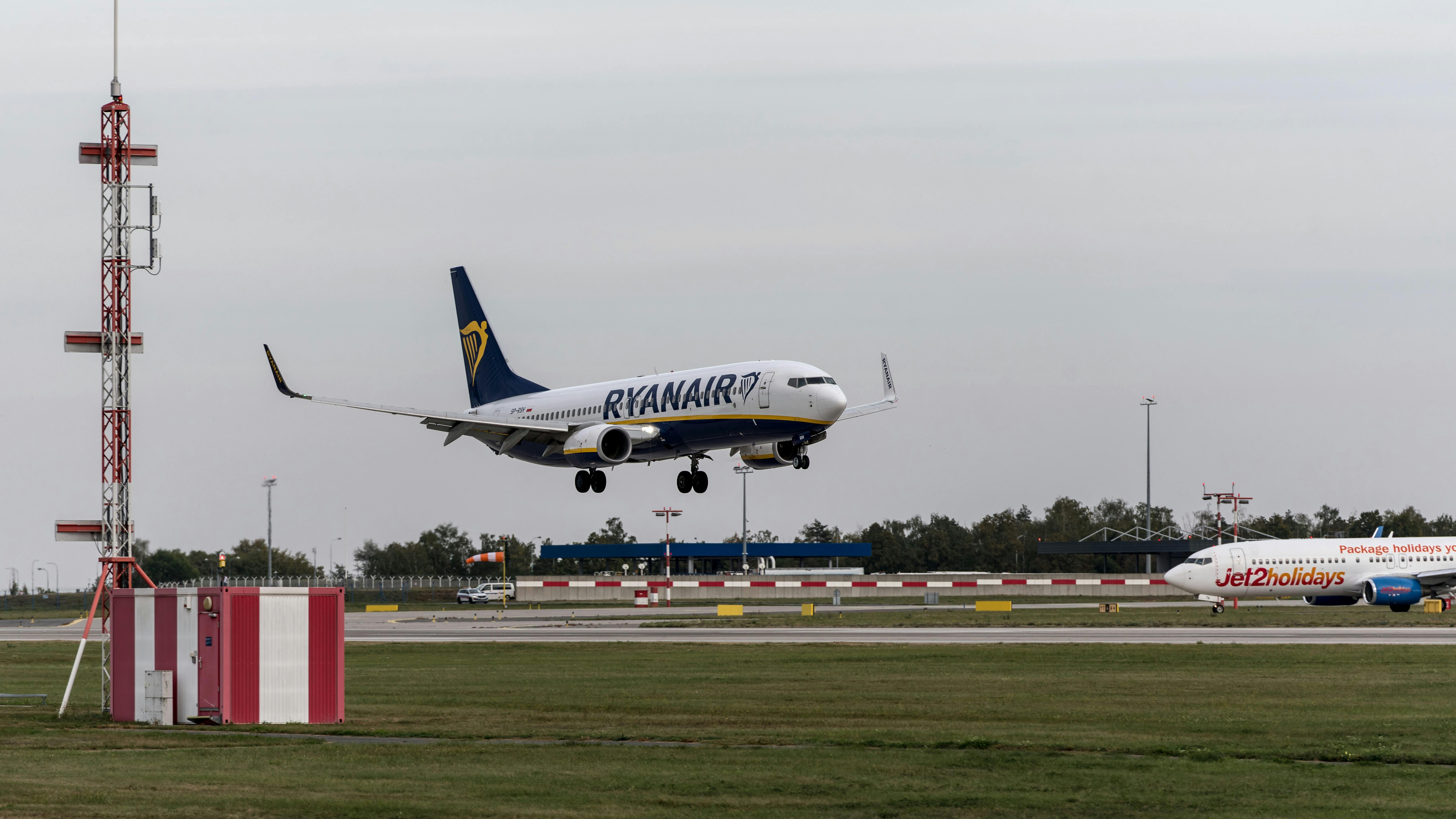
Budget travel is getting tighter as Ryanair doubles down on strict baggage policies. The airline now rewards staff for flagging oversized bags. This effort aims to boost compliance and generate more revenue from baggage fees. Ryanair and similar carriers are trying to control increasing luggage abuse, especially on full flights. Travelers now face rising costs if they ignore strict carry-on rules. Ryanair uses a cash bonus to motivate staff to enforce these policies more aggressively.
Other low-cost airlines also face criticism for similar tactics. easyJet and its partners have been linked to commission-based baggage enforcement. These actions show how competitive the airline space has become, especially in Europe. Budget airlines now rely heavily on extra service charges to stay profitable. Baggage fees play a key role in this model. Ryanair, for instance, has found this a reliable way to offset low ticket prices.
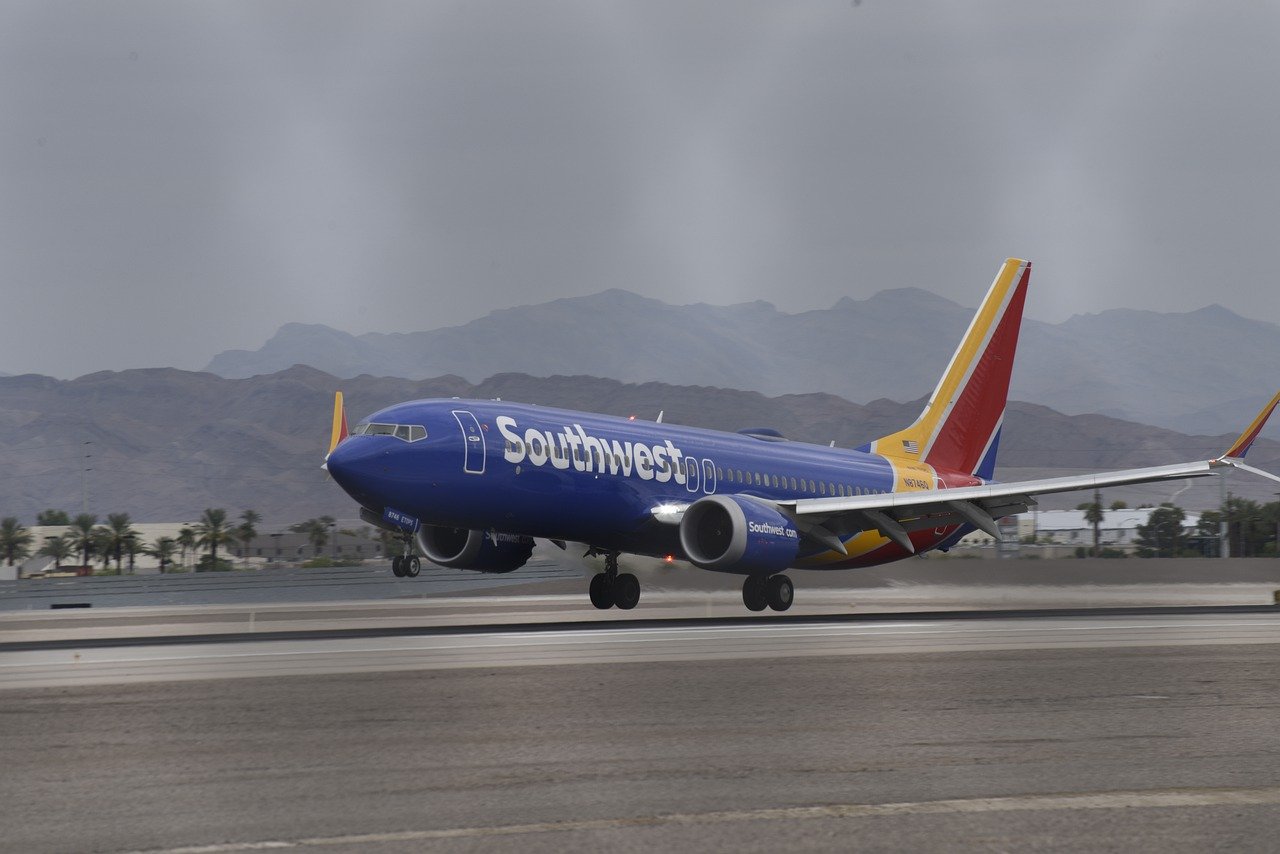
Meanwhile, U.S. budget carriers also shift their strategies. Southwest Airlines now introduces assigned seating, ending its open-seat model. The goal remains the same—boost efficiency and improve customer satisfaction. Travelers, especially business passengers, may prefer this predictability. However, the move also signals growing pressure on all carriers to evolve.
In addition, the U.S. has introduced a new visa integrity fee for foreign visitors. This change adds a $250 cost to international travel. Many fear it could hurt tourism and business visits. With vague refund rules, the policy causes uncertainty among travelers.
As global rules tighten, travelers must pack smarter and stay alert. Ryanair’s changes, along with new U.S. policies, highlight a shift in travel norms. Budget flying is no longer simple or cheap without planning. Keep track of updates to avoid unwanted surprises.
Related stories:
Catch up on the top stories and travel deals by subscribing to our newsletter!