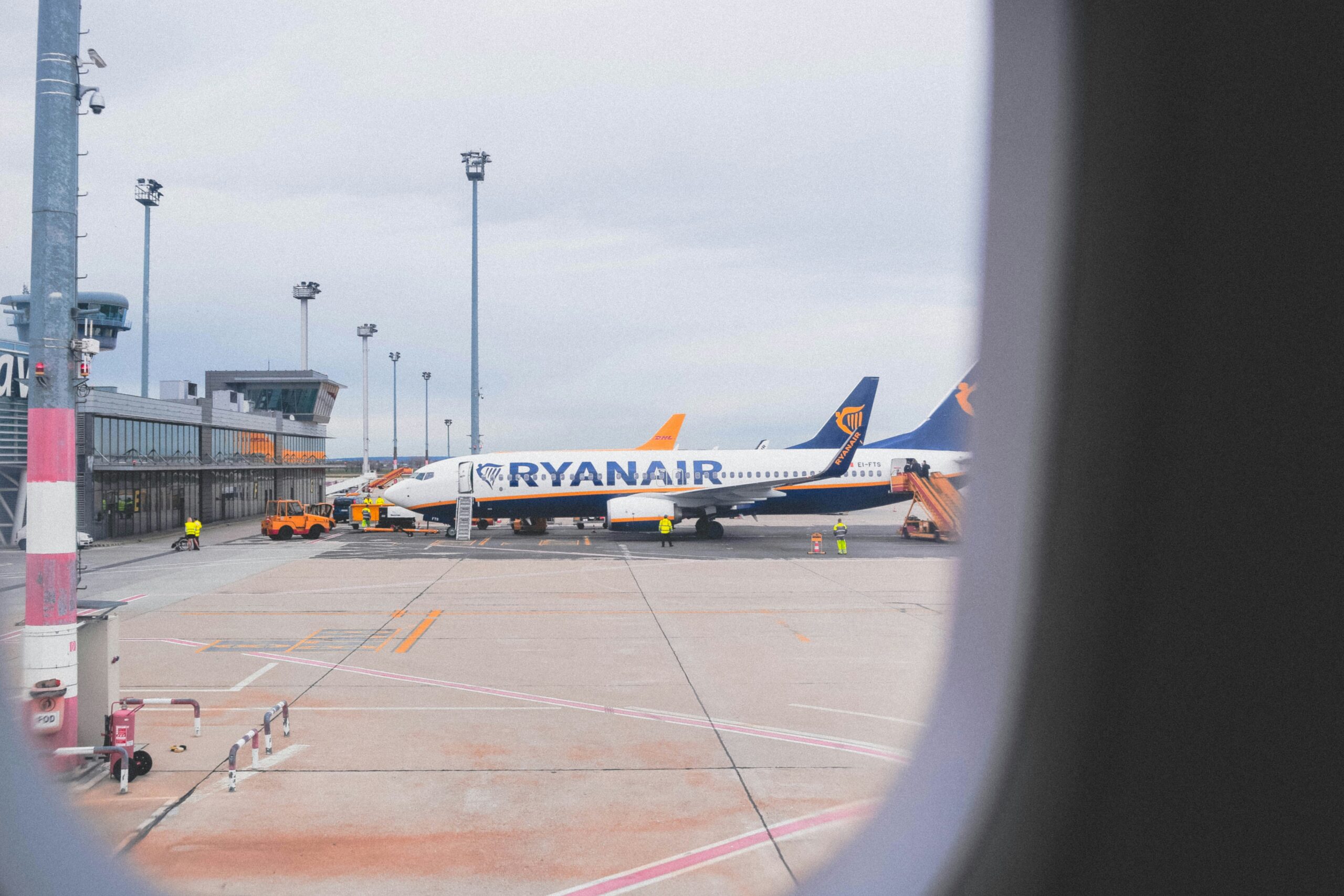
Across Europe, Ryanair shapes aviation debates because Ryanair prioritizes cost discipline over onboard technology. In Ireland and beyond, Ryanair drives short-haul tourism through aggressive pricing and dense routes. While competitors promote satellite Wi-Fi, Ryanair places economics before digital convenience. This decision reflects Ryanair’s strategy because short flights dominate European travel demand.
Within European tourism, Ryanair connects leisure cities through flights lasting barely one hour. Because passengers choose low fares, Ryanair measures every onboard feature against ticket prices. While internet access attracts headlines, Ryanair evaluates revenue potential with strict scrutiny. This approach protects Ryanair margins and preserves affordability across popular routes.
Moreover, Ryanair analyzes aircraft performance with relentless focus on efficiency. Satellite hardware adds weight and increases drag, and this equipment raises fuel consumption. Because Ryanair operates hundreds of aircraft daily, small fuel increases multiply into major costs. These costs threaten fare leadership, and Ryanair actively avoids such pressure.
Across short-haul markets, Ryanair studies passenger behavior with data-driven discipline. Leisure travelers value punctual arrivals and cheap tickets over constant connectivity. Because flights end quickly, passengers tolerate offline time without frustration. Ryanair therefore invests in schedule reliability instead of digital services.
Meanwhile, European aviation depends on tight turnaround times and optimized fuel use. Ryanair designs operations around fast boarding and simple cabins. Additional systems complicate maintenance, and complexity increases delays. Ryanair avoids these risks to maintain operational consistency.
Furthermore, sustainability influences every strategic choice within European aviation. Ryanair reduces emissions per passenger through dense seating and efficient fleets. Extra equipment increases fuel burn, and this outcome conflicts with environmental goals. Ryanair aligns cost savings with lower emissions through minimalist design.
While other airlines promote connectivity on long routes, Ryanair targets a different market reality. Long flights justify connectivity pricing, but short hops rarely deliver similar returns. Ryanair therefore resists trends that fail to match its route structure. This contrast defines a split within global aviation models.
From Ireland, Ryanair expanded across secondary airports and tourism regions. This expansion depends on simplicity, scale, and rapid aircraft utilization. Starlink adoption would disrupt this balance through cost and complexity. Ryanair protects its model by rejecting features without clear value.
Ultimately, Ryanair demonstrates how strategy shapes innovation choices. Technology alone never guarantees success without economic alignment. Ryanair proves that affordability still defines travel priorities across Europe. This stance reinforces Ryanair’s dominance within short-haul tourism aviation.
Related stories:
Catch up on the top stories and travel deals by subscribing to our newsletter!