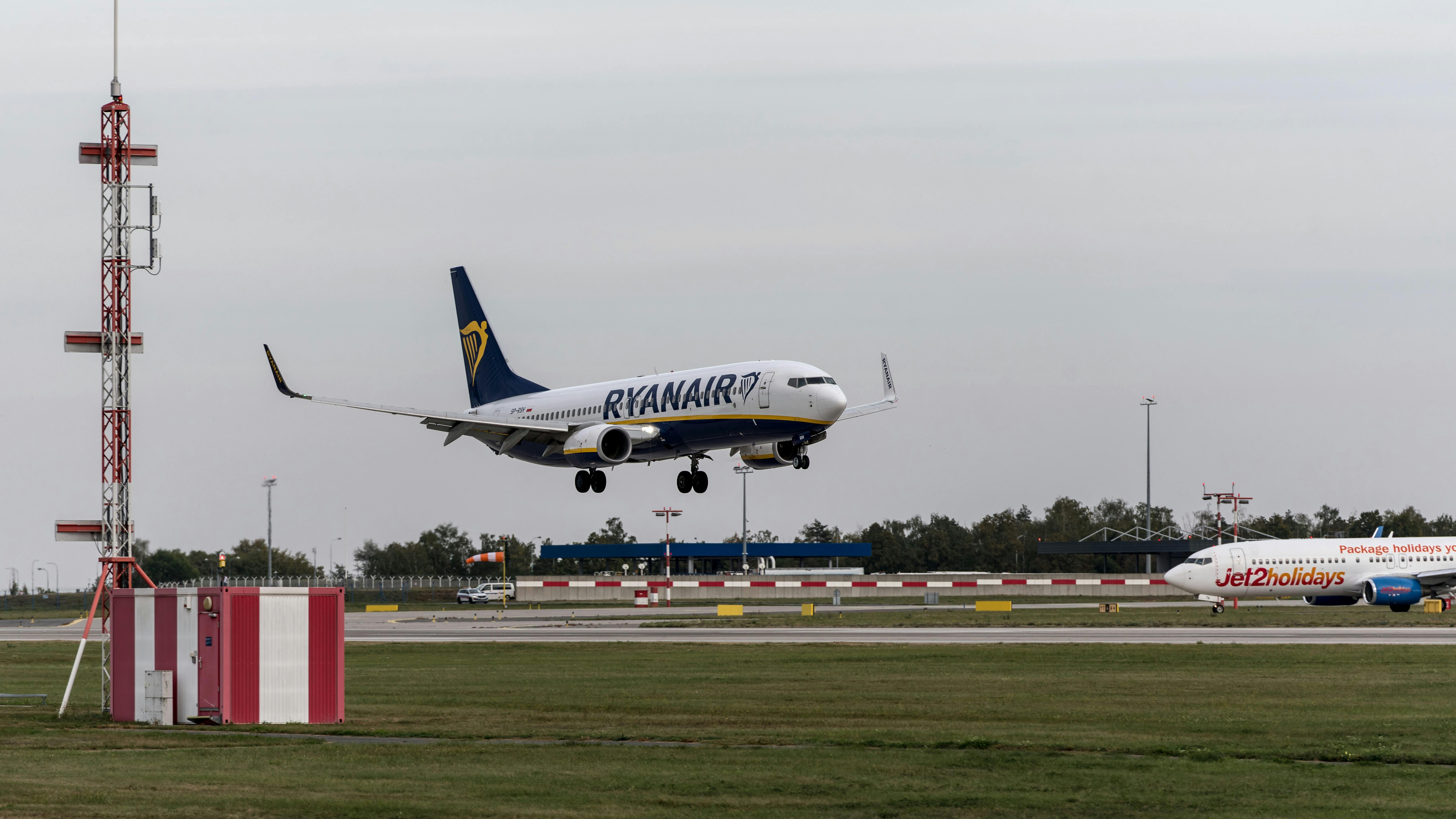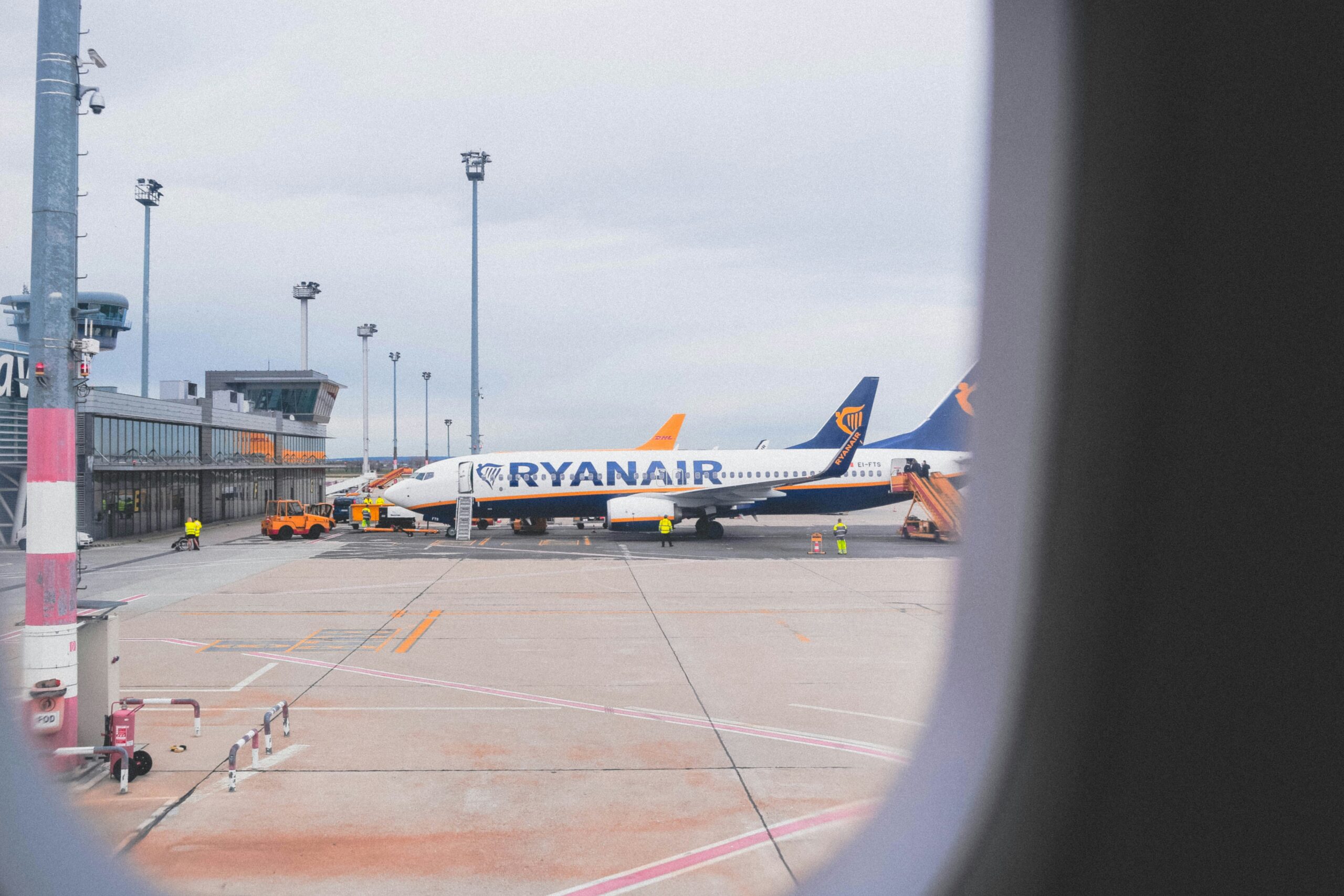
Ryanair has seen a remarkable 40% profit increase, signaling a shift in European travel habits. The airline, known for its low-cost model, benefits from a subtle but significant change: European travelers now prefer short-haul trips over long-haul flights, particularly to the United States. While international travel is generally up, demand for flights across the Atlantic remains weaker than expected, especially during peak seasons.
Instead of expanding routes or cutting costs further, Ryanair is capitalizing on this trend by focusing on high-frequency, short-haul flights. This model suits European travelers who seek closer destinations without the hassles of long-haul travel. Increased visa requirements, long immigration lines, and higher costs for longer trips discourage many travelers from flying to the US. In contrast, quick, budget-friendly European trips have become more attractive, benefiting Ryanair immensely.
Ryanair’s business model excels in this environment. The airline specializes in short-haul, point-to-point travel, operating efficiently with rapid turnarounds and dense seating to keep costs low. As a result, its flights fill up quickly, especially for weekend getaways or last-minute vacations. In fact, Ryanair has reported a 96% load factor, meaning nearly all seats are sold on its flights. This operational success helped push profits to €1.96 billion, a clear indication of how well the airline adapts to shifting demand.
For travelers, this trend offers more affordable options for quick city breaks or beach escapes. Meanwhile, airlines reliant on long-haul flights struggle to adjust. As Ryanair shows, the key to success lies in adapting to evolving travel preferences. The airline’s ability to cater to short-haul demand positions it as a winner in the current travel landscape.
Related stories:
Catch up on the top stories and travel deals by subscribing to our newsletter!