Visiting religious landmarks can be one of the most rewarding parts of travel. Yet navigating dress codes and respectful behaviors can be confusing. This guide will help you explore temples, mosques, churches, and shrines around the world with confidence and respect and many religious landmarks and dress codes.
Whether you’re standing in the shadow of a golden temple or admiring stained-glass windows, knowing how to dress and behave matters. Not only will you feel more comfortable, but you’ll also show respect to local cultures. Let’s dive into the essentials.
1. Why Dress Codes Matter at Religious Sites
Religious landmarks are active places of worship. Visitors may not realize, but modest clothing shows respect and avoids distraction. In many cultures, covering shoulders, legs, and sometimes hair isn’t about oppression—it’s about reverence.
Following dress codes helps you blend in and focus on spiritual experiences, not awkward stares or denied entries.
2. Islamic Sites: Mosques and Madrasas
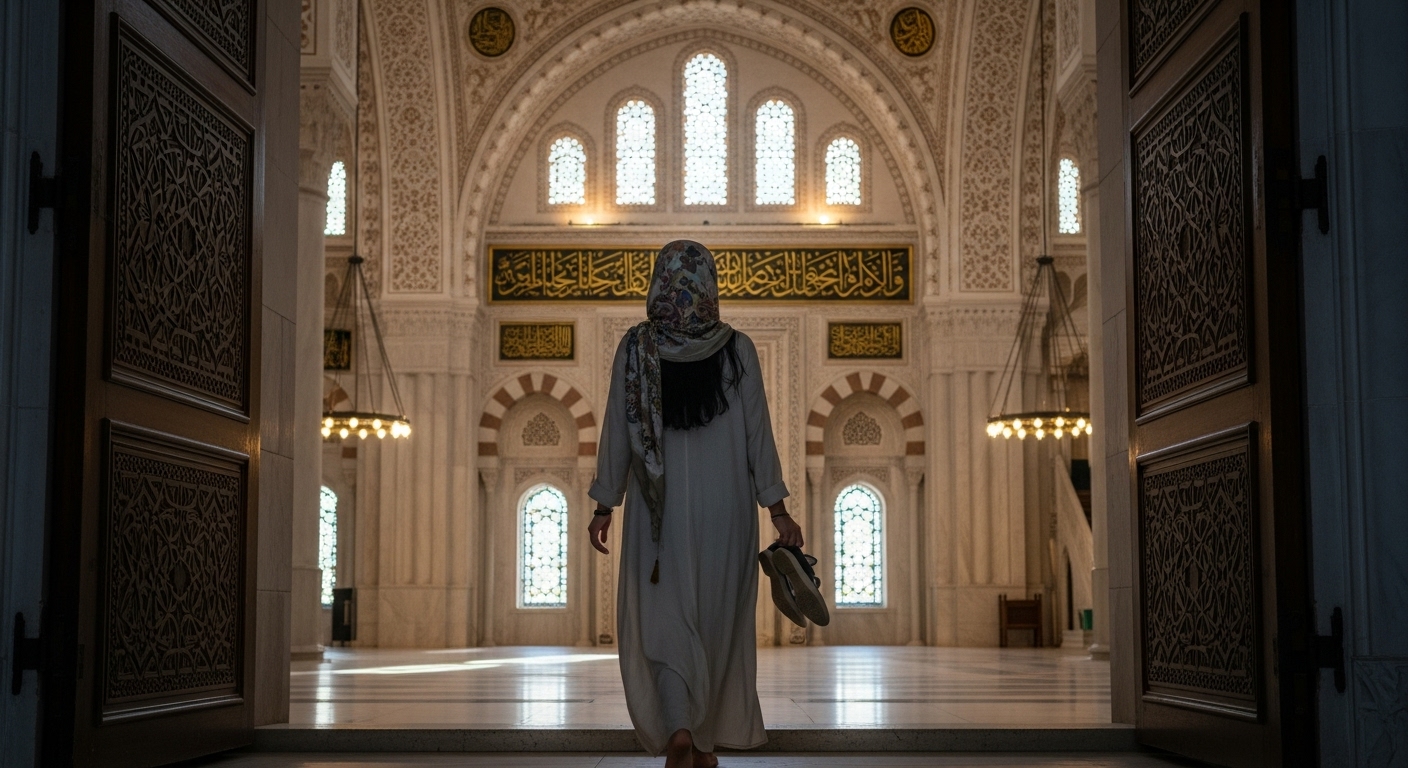
In mosques—like Istanbul’s Blue Mosque or Cairo’s Al-Azhar—both men and women must cover shoulders and knees. Women also cover their hair. Many mosques offer scarves at the entrance, but bringing your own is more respectful and sanitary.
Shoes are removed before entry. You’ll see rows of sandals lined outside awaiting worshippers. Walk carefully—this is a sign of devotion.
3. Hindu Temples: India and Southeast Asia
Hindu temples—from Tirupati in India to Angkor Wat in Cambodia—require modest attire. Cover shoulders and legs, and avoid revealing or tight clothing. Some temples ask women to wrap sarongs around their waists or borrow wraps there.
Again, shoes often stay outside. For shrines within forests or caves, check for location-specific rules.
4. Buddhist Temples: Respecting Tradition
Buddhist temples in Thailand, Myanmar, and Japan prioritize modest clothing. Wear tops that fully cover your shoulders and ok-length pants or skirts. In Japan, staves or walkers are award star of the show! (Oops, sorry—I meant staff of the temple.)
While some temples don’t require head coverings, avoid flashy accessories or provocative outfits. Remove shoes before entering any structures housing Buddha images.

5. Christian Churches & Cathedrals
In Europe and the Americas, churches and cathedrals expect modest dress—no shorts or tank tops. In more conservative areas, women may cover their heads with scarves. Respect silence during services.
Cathedrals like St. Peter’s in Vatican City may even require covering knees and shoulders for both genders.
6. Jewish Synagogues
Many synagogues welcome visitors if you cover shoulders and knees. Men are usually asked to wear a kippah (yarmulke), often provided at the door.
Women should avoid low-cut or sleeveless tops. As always, ask before taking photos—services may be ongoing.
7. Multi-Faith Complexes
Some sites host multiple religions—like Jerusalem’s Temple Mount or India’s Golden Temple. Dress modestly: shoulders and legs covered, avoid headgear that offends any faith, and follow gender-specific pathways.
These sacred grounds carry unique rules—like women entering certain areas barefoot—so watch local signage and ask guides politely.
8. Universal Dress & Behavior Tips
- Always shoulders and knees covered
- Bring a lightweight scarf or wrap
- Wear easy-to-remove shoes
- Observe and follow local sign boards
- Speak quietly and move slowly
- Ask permission before photos
- Respect gender-specific access rules

9. Packing Suggestions for Respectful Travel
Choose lightweight, breathable clothes. Pashminas or scarves double as modesty wraps. Neutral colors are respectful and regionally appropriate. Quick-dry fabrics help blend comfort and style.
Pack clothes for layering—especially in places where you’ll spend long hours indoors and outdoors.
10. Engaging with Worshippers and Rituals
Visiting religious sites isn’t just about sightseeing—it’s a chance to observe living faith. Stand back during prayers, and never interrupt. A calm nod and smile are often enough to show you’re welcome.
If rituals are ongoing, watch respectfully—don’t intrude or ask questions mid-ceremony. Later, politely ask questions if you’re curious about traditions.
11. Respectful Photography at Sacred Sites
Many sites allow photos—just be discreet and mindful. Avoid bright flashes, and stay out of worshippers’ way. If signs prohibit pictures, follow them without question.
When in doubt, ask a caretaker or guide. Most places appreciate respectful curiosity when guided by courtesy.
Understanding religious landmarks, dress codes, and rituals shows cultural intelligence. It deepens your travel experience and prevents accidental disrespect. You’ll blend in, learn more, and feel confident walking into sacred spaces—no stress, just reverence.
Have you faced an awkward moment at a landmark? Or found a site more welcoming thanks to your preparation? Share your story—we love hearing about respectful travel done right! If you found this guide helpful, follow WentWorld.com on social media for more cultural insights, smart travel advice, and ways to explore with respect.
Catch up on the top stories and travel deals by subscribing to our newsletter!