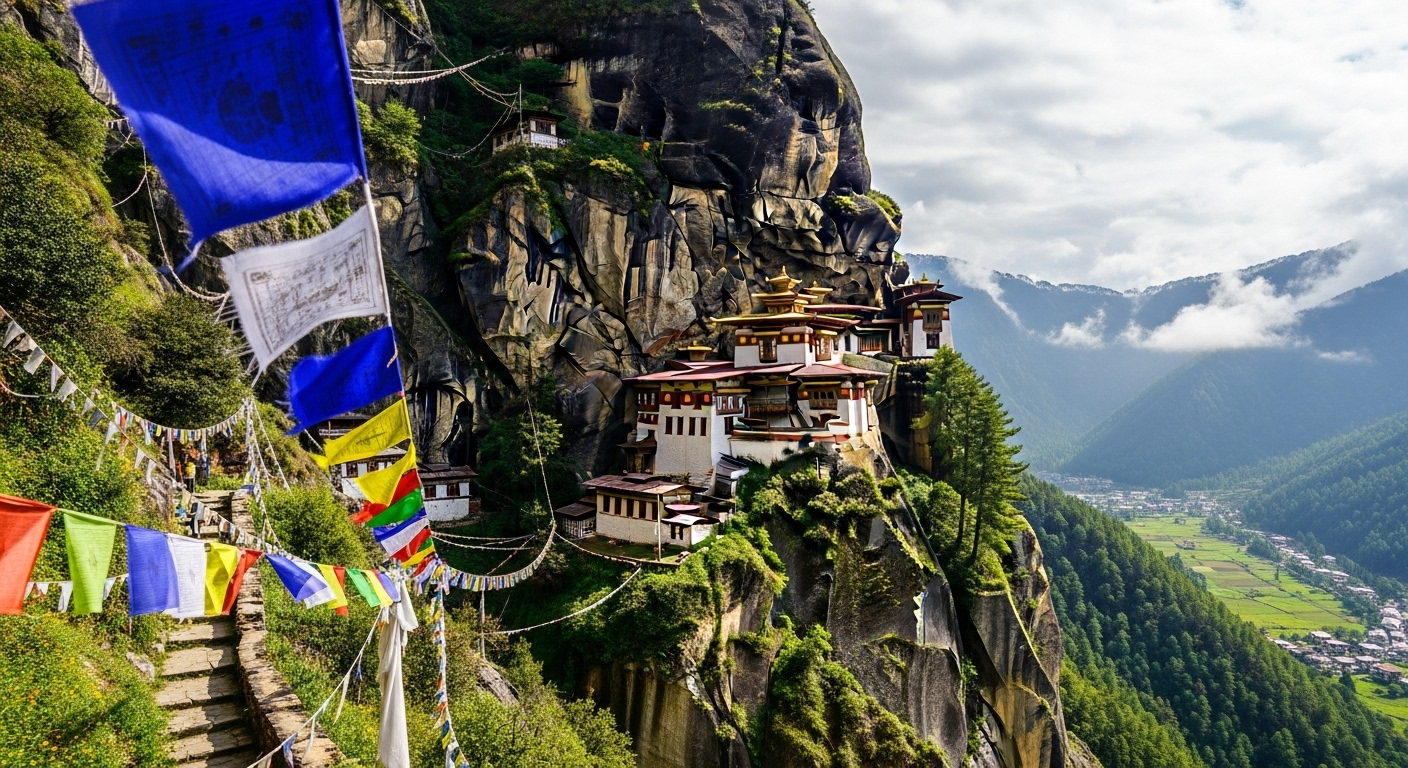
Some of the most awe-inspiring architectural achievements in history aren’t skyscrapers or castles—they are historic monasteries built on cliff edges. Perched precariously on sheer rock faces, these monasteries defy gravity while offering spiritual sanctuaries and breathtaking panoramas for travelers and pilgrims alike.
At first glance, their locations seem impossible. Yet monks of centuries past managed to haul stones, tools, and provisions to these vertical heights. How? Through devotion, ingenuity, and a desire to seek isolation closer to the divine. Today, these cliff-edge monasteries continue to amaze visitors because they blend spirituality, history, and natural beauty.
If you love history, architecture, or serene travel destinations, this guide will take you on a journey to some of the world’s most remarkable historic monasteries built on cliff edges. Furthermore, we’ll share tips for visiting and photographing them.
Why Monasteries Are Built on Cliff Edges
Historically, monks built monasteries in remote or inaccessible locations for several key reasons. First, seclusion allowed them to meditate, pray, and focus spiritually. Second, cliffs provided natural protection against invaders. Third, height symbolized spiritual elevation and closeness to the divine. Finally, elevated locations made monasteries visible landmarks and symbols of faith.
Standing on the edge of a cliff may intimidate you, but for the inhabitants, it brought profound serenity. Can you imagine living where every view reflects faith and nature combined?
Historic Cliff-Edge Monasteries Around the World
From Asia to Europe, monasteries clinging to cliffs demonstrate human determination and devotion. Let’s explore some of the most famous examples.
1. Meteora Monasteries, Greece
In central Greece, Meteora hosts monasteries atop towering rock pillars. Built in the 14th century, monks constructed them to stay isolated from invading forces. Today, visitors can explore several monasteries, although climbing hundreds of stone steps may challenge some travelers. Additionally, the panoramic views are unmatched. Official travel details: Visit Greece.

2. Tiger’s Nest Monastery (Paro Taktsang), Bhutan
Bhutan’s Paro Taktsang clings to a cliff 3,120 meters above sea level. Built in the 17th century, it commemorates Guru Padmasambhava, who reportedly flew to this location on a tigress’ back. Hiking to the monastery requires navigating steep paths, yet the dramatic views of Paro Valley reward the effort. Bhutan tourism: Tourism Bhutan.
3. Montserrat Monastery, Spain
Near Barcelona, Montserrat’s monastery sits atop jagged cliffs. Dating back to the 11th century, it attracts pilgrims and tourists alike. Visitors explore the famous Black Madonna statue while admiring the surrounding dramatic landscapes. Learn more: Spain Tourism.
4. Hanging Monastery (Xuankong Si), China
Shanxi Province is home to the Hanging Monastery, built over 1,500 years ago. The monastery blends Buddhism, Taoism, and Confucianism. Wooden beams anchored into the cliff support it, making it an engineering marvel. Visitors admire both the precarious location and intricate architecture. More info: Travel China Guide.

5. Sumela Monastery, Turkey
In the Pontic Mountains, Sumela Monastery clings to a steep cliff. Dating back to the 4th century, it overlooks a lush forested valley. Restoration efforts allow tourists to hike safely through surrounding trails. Turkey tourism info: GoTurkiye.
6. St. George Monastery, Israel
Carved into a cliff in Wadi Qelt, St. George Monastery dates back to the 5th century. Pilgrims hike rugged terrain to reach it, enjoying sweeping views of the desert canyon below. Visiting here is both a spiritual and physical journey.
Tips for Visiting Cliff-Edge Monasteries
Visiting these historic sites can be rewarding, but preparation is essential. Wear sturdy shoes for uneven paths. Also, check weather conditions before hiking or climbing. Respect local customs and dress codes, especially in religious sites. Bring water, snacks, and sun protection, and consider guided tours for historical context and safety.
Photographing Cliff-Edge Monasteries
Cliff-edge monasteries provide photographers with unique opportunities. Capture golden hour light to enhance shadows and textures. Use wide-angle lenses to include entire cliff faces and surrounding scenery. Drone photography offers aerial perspectives where allowed. Including foreground elements, like trees or valleys, can enhance depth. Most importantly, respect site regulations for safety.
Why These Monasteries Continue to Inspire
Cliff-edge monasteries are not just religious sites—they are monuments to human perseverance and creativity. They inspire visitors to contemplate history, spirituality, and the lengths humans will go to reach the divine. Have you ever visited a place where architecture seems to defy gravity? Experiences like these often stay with travelers forever.
Planning Your Visit
Reaching these monasteries requires careful planning. Airlines like Emirates and Qatar Airways connect to nearby hubs. Local transportation, including rental cars or guided tours, helps reach the monasteries. Accommodations are available via Booking.com or Airbnb. Finally, check visiting hours, religious services, and entry restrictions before your trip.
Follow us on our social media platforms for more awe-inspiring historical sites, travel inspiration, and photography tips. Have you ever dared to visit a cliff-edge monastery, or is one of these now on your bucket list?
Catch up on the top stories and travel deals by subscribing to our newsletter!