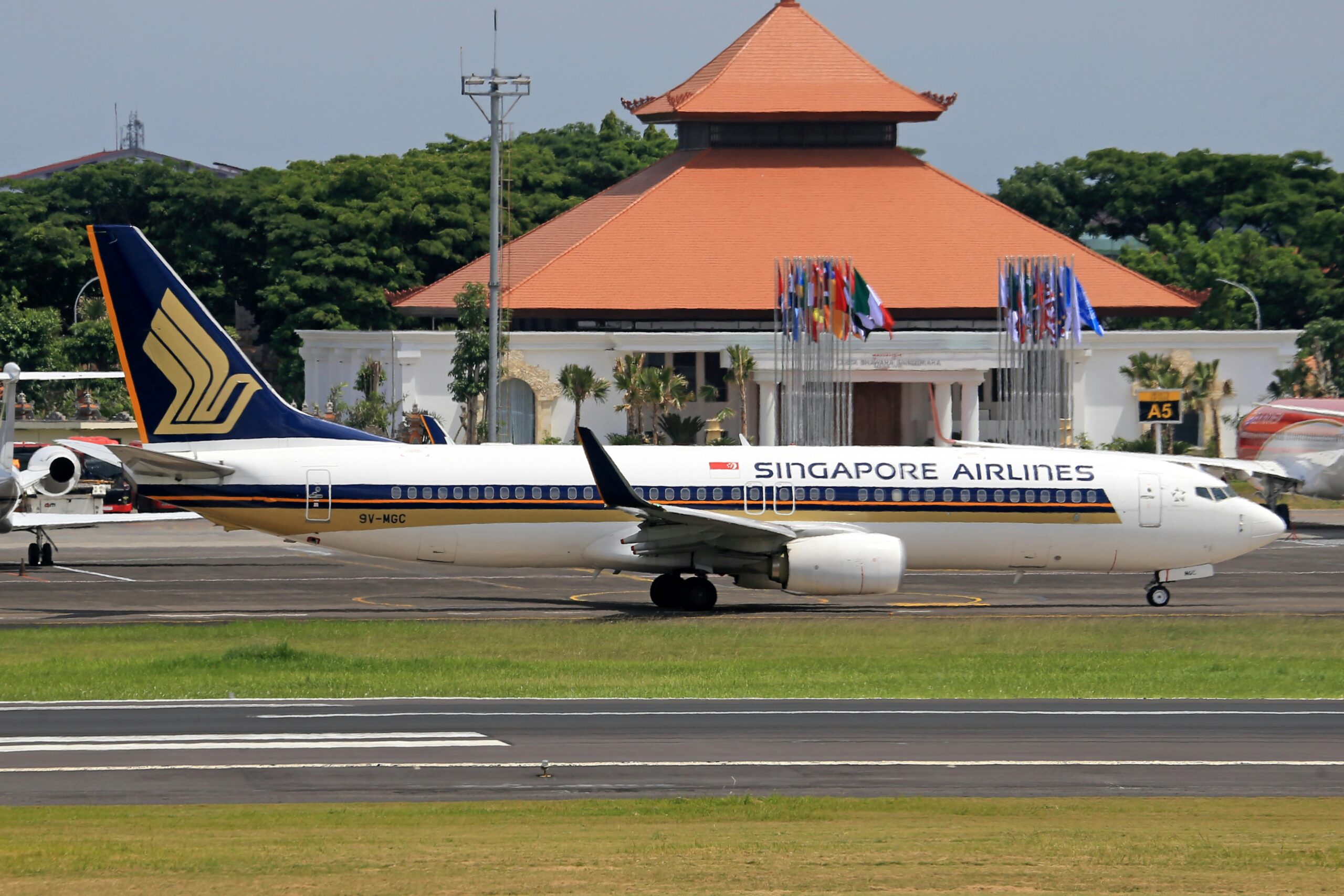
Singapore Airlines faces financial pressure as economic turbulence and growing airline competition reshape the skies. Despite reporting revenue growth, the carrier’s profit dropped sharply in early 2025. Still, strong demand for air travel and smart route expansion show that the airline remains a key player in Southeast Asia’s travel scene.
The airline earned S$4.79 billion in revenue, slightly up from the previous year. Yet its profits plunged by 59% due to falling interest income, losses from its partner Air India, and a crowded market. These financial changes directly influence travel pricing, route availability, and the tourist experience across the region.
Tourists, however, continue to travel in large numbers. Singapore Airlines and Scoot carried over 10 million passengers in the first quarter, setting a new record. This shows that travel demand remains high despite fare competition and reduced passenger yields. But more competition also means lower prices, shrinking airline profits, and potential fare hikes in the future.
The integration of Air India with Vistara added pressure to Singapore Airlines’ balance sheet. This move reduced profits, strained partnerships, and may limit travel options between Southeast and South Asia. Travelers connecting across airlines might face higher fares or fewer choices.
Despite lower yields, the airline boosts its flight capacity and adds new destinations like Iloilo and Vienna. It also invests in sustainable aviation fuel, reflecting its focus on eco-friendly travel. These steps support long-term growth and reinforce the carrier’s importance in the regional travel market.
Strong finances back this resilience. The group holds S$15.8 billion in equity and S$7.8 billion in cash. These resources help it manage tough conditions while still serving millions of travelers.
Related stories:
Catch up on the top stories and travel deals by subscribing to our newsletter!