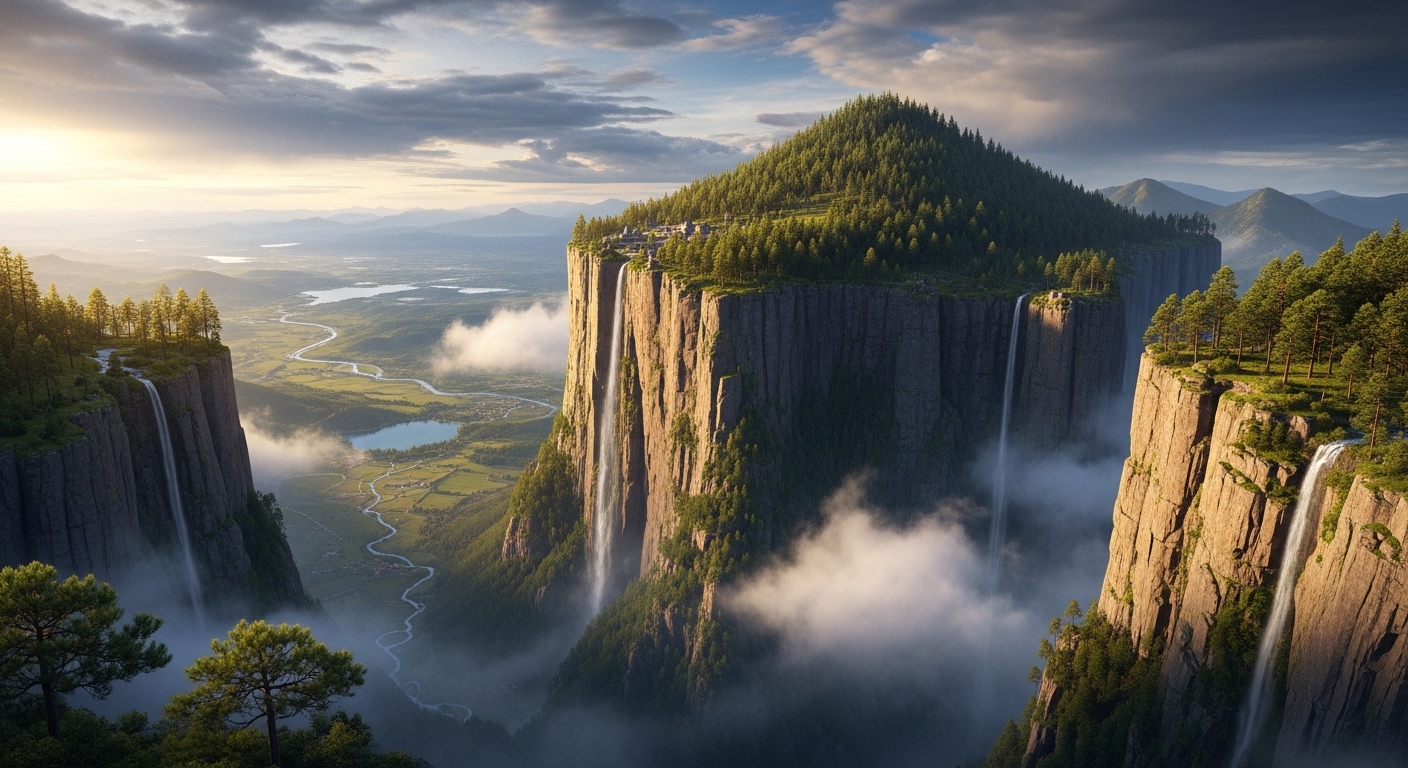
Imagine walking through a forest where the climate changes every few hundred meters, or discovering rare species that exist nowhere else in the world. Welcome to the world of sky islands: high plateaus with unique microclimates. These isolated mountain plateaus rise dramatically above surrounding lowlands, creating distinct climates, soils, and ecosystems. For travelers and nature enthusiasts, sky islands are living laboratories of biodiversity and cultural history, offering experiences unlike any traditional hiking or eco-tourism adventure.
Sky islands are not only ecological marvels but also cultural hotspots. Indigenous communities, mountaineers, and eco-tourists interact with these landscapes in ways that combine environmental stewardship, adventure, and curiosity. From cloud forests in Central America to volcanic highlands in Africa, sky islands provide opportunities to explore ecosystems that evolve independently from their surroundings.
What Makes a Sky Island Unique?
Sky islands are isolated highlands separated from other similar habitats by “seas” of lowland terrain. This geographic isolation leads to the development of unique microclimates and endemic species. Temperature, precipitation, wind patterns, and soil types can vary dramatically between the high plateau and surrounding lowlands, even within a single mountain range.
For example, a traveler ascending a sky island may move from tropical forest at the base to temperate pine forests near the top. Rare species of birds, mammals, and plants have evolved in these isolated environments, making sky islands hotspots for biodiversity research and eco-tourism.
Have you ever wondered why some species only exist on specific mountains? Sky islands provide the perfect natural laboratories to study evolution, adaptation, and climate change in action.
Famous Sky Islands Around the World
Let’s explore some remarkable examples of sky islands: high plateaus with unique microclimates that travelers can explore today:
- Madrean Sky Islands, North America: Stretching across southern Arizona, New Mexico, and northern Mexico, these high-elevation mountains rise above desert lowlands. They host pine-oak forests, rare bird species, and numerous endemic plants. The region is a paradise for hiking, birdwatching, and eco-adventures. For detailed itineraries, see Visit Arizona.
- Mount Kilimanjaro, Tanzania: Africa’s tallest peak is a sky island with multiple microclimates, from savannah at the base to alpine desert and glaciers at the summit. This ecological diversity supports unique flora and fauna, drawing climbers and researchers alike. Learn more via Tanzania National Parks.
- Chiricahua Mountains, Arizona: Known as the “Land of Standing-Up Rocks,” this sky island has a mix of desert scrub, oak forests, and pine woodlands. The region supports diverse wildlife and has historical significance for Native American communities.
- Monteverde Cloud Forest, Costa Rica: A classic example of a tropical sky island, this high plateau receives consistent cloud cover, creating a moist, misty microclimate ideal for orchids, frogs, and hummingbirds. Eco-tourism here is globally renowned through platforms like Visit Costa Rica.
- Drakensberg Mountains, South Africa: These dramatic highlands are sky islands with alpine grasslands, endemic flowers, and ancient San rock art. Hikers can explore scenic trails, waterfalls, and rare wildlife species unique to this isolated region.

Microclimates and Biodiversity
The defining feature of sky islands is their unique microclimates. Factors like elevation, slope, and exposure to wind and sun produce climatic conditions that differ sharply from surrounding lowlands. These conditions create refuges for species that cannot survive elsewhere, making sky islands critical for conservation.
For example, the Madrean Sky Islands host 16 species of endemic birds, 16 species of mammals found nowhere else, and hundreds of plant species adapted to high-elevation conditions. Similarly, tropical cloud forests in Costa Rica support over 2,500 plant species and thousands of animal species, many of which are threatened.
Have you ever thought about how climate change might affect these isolated ecosystems? Rising temperatures and shifting rainfall patterns could threaten the delicate balance that sustains sky island biodiversity.
Adventures and Activities on Sky Islands
Sky islands are not just for scientists—they offer unforgettable experiences for travelers. Activities include:
- Hiking and Trekking: Trails often pass through multiple ecosystems, allowing visitors to see dramatic changes in flora and fauna in a short distance.
- Birdwatching: Isolated environments make sky islands perfect for spotting rare and endemic birds.
- Photography and Nature Observation: Misty forests, unique rock formations, and panoramic views make sky islands a photographer’s dream.
- Cultural Tours: Many sky islands are home to indigenous communities with rich histories, traditions, and arts.
Would you consider planning a trip specifically to experience the changing microclimates of a high plateau?

Conservation and Challenges
Despite their ecological importance, sky islands face threats from deforestation, tourism, climate change, and invasive species. Preserving these ecosystems requires sustainable tourism practices, habitat restoration, and scientific monitoring.
Organizations and national parks often collaborate to protect these regions. For instance, guided eco-tours on Monteverde Cloud Forest emphasize conservation, minimizing human impact while educating visitors. Platforms like National Geographic Mountains highlight research efforts and conservation strategies.
Why Sky Islands Are Worth Visiting
Traveling to sky islands: high plateaus with unique microclimates offers a combination of adventure, education, and cultural immersion. Unlike conventional destinations, sky islands provide:
- Access to rare ecosystems and endemic species
- Immersive experiences in distinct climates within short distances
- Opportunities to learn about local cultures and traditions
- Unmatched photographic and natural beauty
Experiencing a sky island is like stepping into a world that exists above and apart from the ordinary—a perfect blend of nature, science, and adventure.
Share your thoughts below! Which sky island would you most like to explore, and why? Follow WentWorld.com on social media for more extraordinary travel destinations.
Catch up on the top stories and travel deals by subscribing to our newsletter!