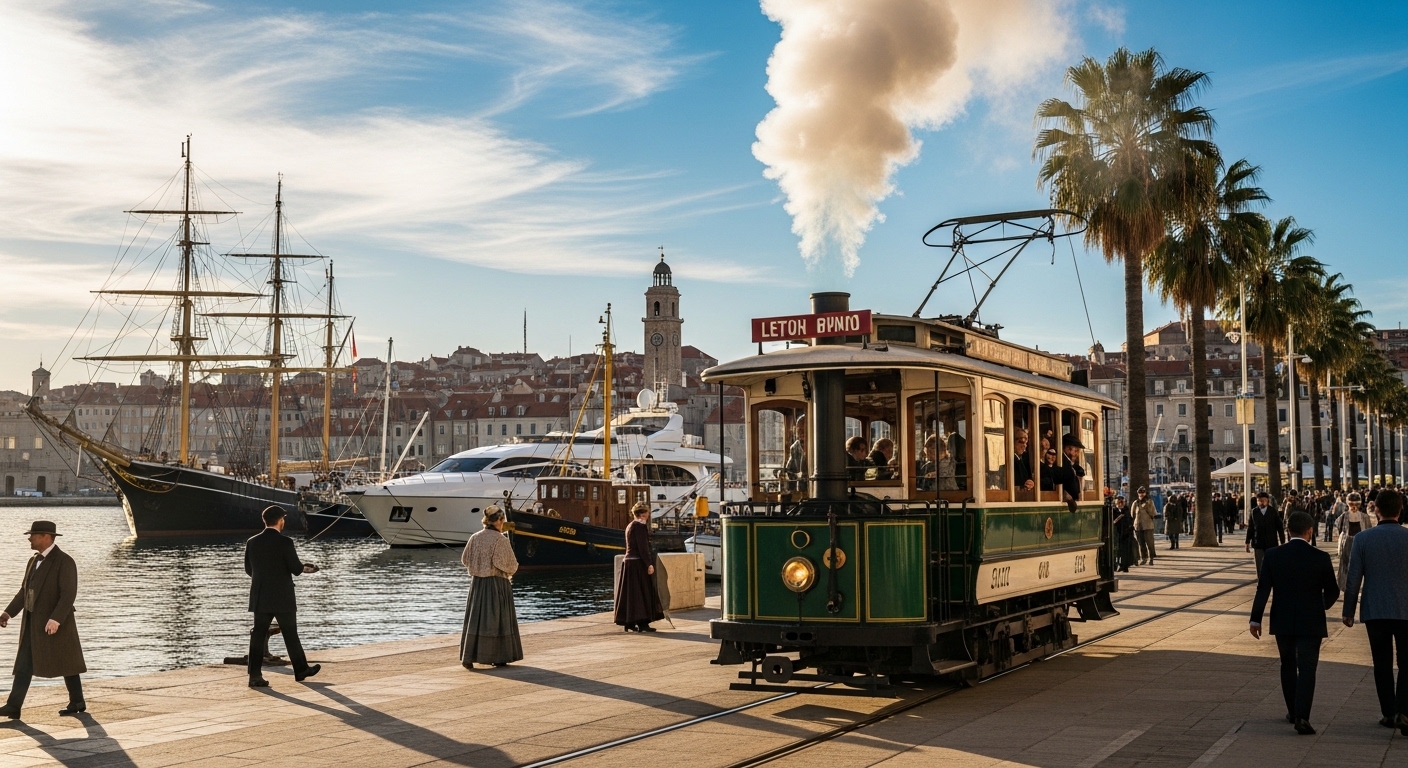
There is something profoundly nostalgic about the slow chug of a steam tram, the hiss of escaping steam, and the gentle rhythm of wheels gliding along historic tracks. Now imagine experiencing that from a seat overlooking a sparkling harbor, where ships drift by and salty air mixes with coal smoke. Steam tram heritage rides with harbor views offer travelers a rare blend of engineering history, scenic beauty, and immersive storytelling that modern transport simply cannot replicate.
Across coastal cities and port towns, steam trams once played a crucial role in moving workers, goods, and travelers between docks and city centers. Today, many of these routes have been lovingly preserved or revived, allowing visitors to relive an era when travel was slower, views were uninterrupted, and journeys themselves were part of the destination. Would you trade speed for scenery if it meant stepping back in time?
The Golden Age of Steam Trams Along Harbors
During the late 19th and early 20th centuries, steam trams were a common sight in port cities. Harbors were economic lifelines, and efficient transport was essential. Steam trams bridged the gap between ships and cities, carrying dockworkers, merchants, and travelers along waterfronts.
Unlike heavy locomotives, steam trams were designed for urban and semi-urban environments. Their enclosed engines reduced noise and smoke, making them suitable for streets and promenades. In harbor cities, these trams often ran parallel to the water, offering panoramic views that commuters likely took for granted at the time.
Today, steam tram heritage rides with harbor views allow modern travelers to rediscover these forgotten perspectives. Instead of rushing past the shoreline, riders are invited to slow down and observe the subtle relationship between city and sea. Does modern travel give us enough time to truly see the places we visit?
Why Steam Tram Heritage Rides Still Matter Today
Preserving steam tram routes is about more than nostalgia. These rides serve as moving museums, teaching visitors about industrial heritage, maritime history, and early urban planning. They also offer sustainable tourism benefits by reusing historic infrastructure and promoting low-impact travel experiences.
For coastal cities facing overtourism, heritage tram rides help distribute visitors more evenly while offering authentic cultural engagement. Passengers don’t just see landmarks; they experience how cities once functioned.
Have you noticed how heritage transport often makes destinations feel more human and approachable?
Douglas Bay Horse Tramway and Steam Connections, Isle of Man
The Isle of Man is legendary among transport enthusiasts. While famous for its horse trams, the island also connects visitors to steam-era experiences that trace the coastline. Routes near Douglas Bay provide sweeping harbor views, with the sea stretching endlessly beside historic tracks.
Visitors traveling via Visit Isle of Man resources often combine steam railways, electric trams, and coastal rides into a single journey. The result is a layered experience of maritime and mechanical history unfolding simultaneously.
Riding along the bay, with ships anchored offshore and Victorian architecture lining the promenade, feels like stepping into a living postcard. Would you plan an entire trip around heritage transport alone?

The Tramway Museum Line, Oslo Fjord Region
Norway’s relationship with the sea is inseparable from its identity. In the Oslo Fjord region, preserved tram lines showcase how coastal transport once supported harbor activity. Steam-powered heritage trams occasionally operate during special events, offering fjord views that are nothing short of breathtaking.
These rides reveal how industrial design adapted to rugged coastlines and changing tides. As trams glide past docks and marinas, passengers witness a fusion of Nordic maritime culture and mechanical ingenuity.
Travelers planning cultural experiences through Visit Norway often highlight these rides as unexpected highlights. Would you expect such tranquility from industrial-era transport?
Hong Kong’s Heritage Tram Influence Along Victoria Harbour
While Hong Kong is best known for its electric trams, steam-era influences remain deeply embedded in the city’s transport heritage. Special exhibitions and restored tram experiences along Victoria Harbour pay tribute to early steam-powered transit that once shaped port logistics.
Harbor-facing tram routes reveal how transportation supported one of the world’s busiest ports. The visual contrast between historic tram design and modern skyscrapers creates a powerful narrative of progress and continuity.
For travelers arriving via Hong Kong International Airport, these heritage experiences offer context before diving into the city’s fast-paced energy. Can history help us better understand modern megacities?
Steam Tram Experiences in Continental Europe
Several European coastal towns preserve steam tram lines that once connected harbors to inland villages. In Belgium and the Netherlands, tramways near ports demonstrate how compact transport systems supported dense maritime trade.
Some seasonal steam tram rides operate during festivals, running parallel to docks and canals. These journeys are often short, but they pack emotional depth, allowing passengers to feel the pulse of a working harbor from a century ago.
Exploring these routes through guides like European Heritage Railways reveals just how interconnected coastal Europe once was. Would you prefer a short scenic ride or a long immersive one?
What Makes Harbor Views So Special From a Steam Tram
Unlike modern trains or buses, steam trams sit low to the ground and move slowly. This creates uninterrupted sightlines to the water, ships, and shoreline activity. Every detail becomes visible: ropes being pulled, gulls circling, waves brushing against docks.
Steam adds another sensory layer. The smell, sound, and vibration make the journey feel alive. Combined with harbor views, the experience becomes multi-dimensional rather than purely visual.
Have you ever noticed how slower travel sharpens your awareness?
Behind the Scenes: Maintaining Steam Trams Today
Operating steam trams is a labor of love. Skilled engineers, historians, and volunteers work tirelessly to maintain boilers, tracks, and original carriages. Safety standards must meet modern regulations without compromising historical accuracy.
Many heritage organizations rely on tourism revenue, donations, and educational programs. By riding these trams, travelers directly support preservation efforts.
Would knowing your ticket helps preserve history make the experience more meaningful?

Planning Your Steam Tram Harbor Journey
If you’re interested in steam tram heritage rides with harbor views, planning ahead is essential. Many routes operate seasonally or during specific heritage events. Weather, tide schedules, and maintenance periods can affect availability.
Check official tourism platforms, local transport museums, and coastal city event calendars. Combining tram rides with harbor walks, maritime museums, or ferry crossings creates a richer experience.
Would you prefer a guided heritage tour or an independent exploration?
The Emotional Power of Heritage Transport
Steam trams connect generations. Older riders may recall childhood memories, while younger travelers discover history through motion rather than static displays. Harbor routes amplify this emotion, as ports have always symbolized departure, arrival, and change.
As cities modernize, preserving these rides ensures that progress doesn’t erase memory. Steam trams remind us that innovation builds upon what came before.
What memories do you think future generations should be able to ride through?
The Future of Steam Tram Heritage Rides
The future of steam tram heritage rides with harbor views depends on awareness, appreciation, and responsible tourism. As travelers increasingly seek meaningful experiences, these rides are gaining renewed attention.
With careful preservation and community support, steam trams will continue to glide along harbors, telling stories of cities shaped by water and industry.
Have you ever experienced a steam tram ride by the sea, or is it now on your travel bucket list? Share your thoughts and stories in the comments below.
Follow WentWorld.com on our social media platforms for more rare travel experiences, forgotten journeys, and places where history still moves.
Catch up on the top stories and travel deals by subscribing to our newsletter!