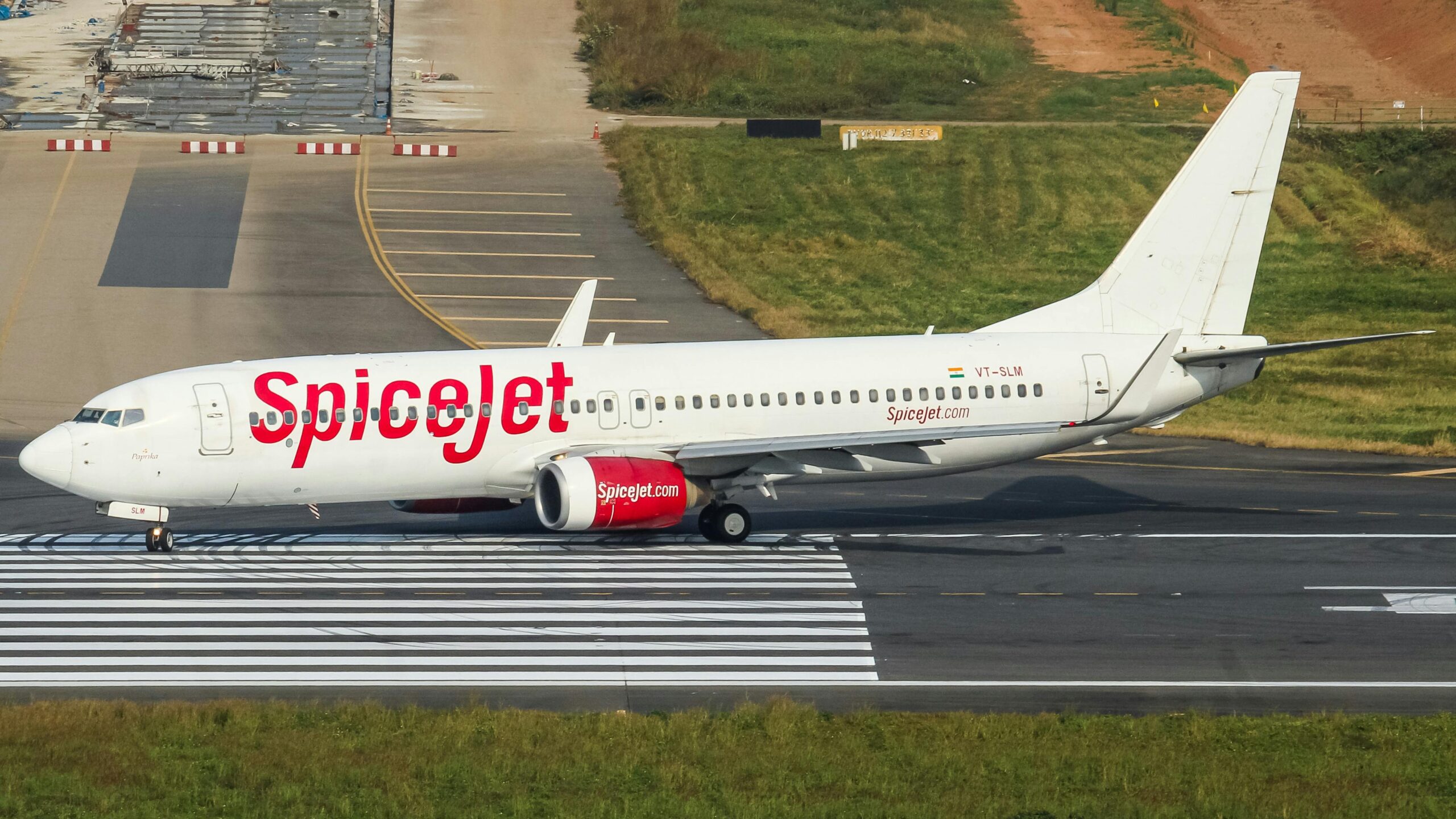
India continues strengthening regional aviation links while SpiceJet drives faster international access from western India. Moreover, SpiceJet launches a direct Ahmedabad–Sharjah route that simplifies Gulf travel. Therefore, SpiceJet responds directly to rising diaspora, business, and leisure demand.
Previously, travelers relied on indirect routes through major hubs, which increased travel time and cost. Now, direct flights shorten journeys and improve comfort. Consequently, families, professionals, and frequent flyers gain easier international mobility.
Meanwhile, Ahmedabad continues transforming into a powerful industrial and export-driven city. Additionally, Gujarat leads growth in textiles, pharmaceuticals, engineering, and global trade. Therefore, consistent travel demand supports direct international connectivity.
Furthermore, strong cultural and economic ties connect Gujarat with the Gulf region. Accordingly, many residents maintain family and business links across the UAE. Hence, direct access meets everyday travel needs rather than luxury demand.
Sharjah strengthens the route’s appeal through culture-driven tourism and strategic geography. Moreover, heritage districts, museums, and historic mosques attract experience-focused travelers. Consequently, tourism demand remains steady throughout the year.
Geographically, Sharjah provides unmatched access across the UAE. Additionally, borders with all emirates support seamless regional movement. Therefore, visitors reach multiple destinations efficiently from a single entry point.
SpiceJet continues prioritizing routes that deliver balanced demand and operational stability. Instead of chasing prestige hubs, the airline connects underserved cities with proven international corridors. Thus, SpiceJet builds resilience through regional focus.
India–UAE travel remains one of the region’s strongest aviation markets. Moreover, trade, tourism, and family movement drive year-round passenger flow. Therefore, affordable direct flights sustain consistent traffic.
Western India benefits significantly from improved nonstop connectivity. Previously, travelers faced delays through Mumbai or Delhi connections. Now, direct Ahmedabad departures reduce fatigue and scheduling stress.
Economic impact extends beyond tourism into trade and investment. Faster travel strengthens business relationships between Gujarat and the UAE. Consequently, multiple industries gain operational efficiency.
SpiceJet also applies lessons from recent Southeast Asia expansion. Previously, nonstop Thailand routes captured rising leisure demand successfully. Therefore, similar logic supports Middle East growth.
Competition intensifies across regional aviation markets. However, SpiceJet focuses on practicality rather than rapid expansion. Thus, the airline aligns network growth with real passenger behavior.
Ultimately, the Ahmedabad–Sharjah route reinforces SpiceJet’s role as a regional connector. Moreover, the service enhances access, choice, and convenience. Therefore, India–UAE travel grows stronger and more inclusive.
Related stories:
Catch up on the top stories and travel deals by subscribing to our newsletter!