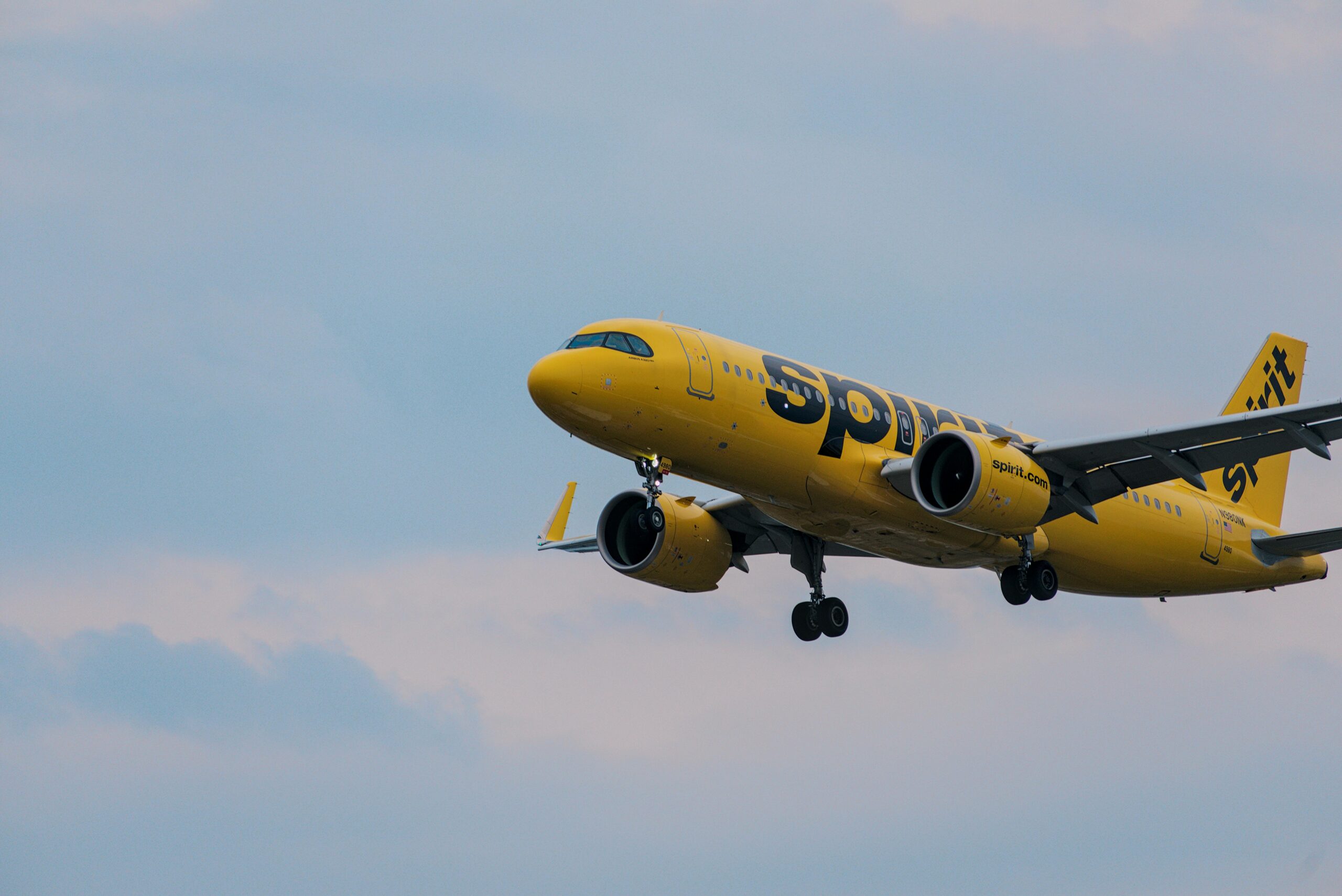
Spirit Airlines hit an unexpected obstacle on July 4 when lightning struck its Detroit maintenance hangar. The strike set off the foam fire suppression system, which covered five Airbus planes in thick foam. The system, designed to control fires, flooded the massive hangar in seconds and spread to nearby ramps. Despite the chaos, Spirit Airlines kept its flight schedule intact. The quick work by Spirit Airlines and airport crews stopped the incident from becoming a bigger disaster.
Spirit Airlines confirmed that no passengers or staff got hurt during the foam flood. However, the chemical foam raised serious safety and environmental worries. Engineers had to inspect all aircraft for corrosion in critical systems before they could return to service. These checks focused on avionics, engines, and other sensitive parts. The airline worked around the clock to clean and inspect planes to avoid longer delays. Spirit Airlines also brought in external cleaning teams to speed up the process. This decision helped the airline avoid major disruptions and keep most flights running smoothly.
Moreover, environmental teams monitored the foam because it contained PFAS chemicals that could harm soil and water. Spirit Airlines had to handle cleanup carefully to protect the surroundings and meet safety standards. While the investigation continues, the airline plans to review safety systems to prevent future foam mishaps. FAA regulators will also consider updates to fire systems after this costly lesson.
Spirit Airlines turned a messy situation into a strong example of quick action and solid teamwork. The airline’s swift response showed its commitment to safety and reliability. Passengers can feel confident that Spirit Airlines works hard to keep them moving safely, even in surprising conditions.
Related stories:
Catch up on the top stories and travel deals by subscribing to our newsletter!