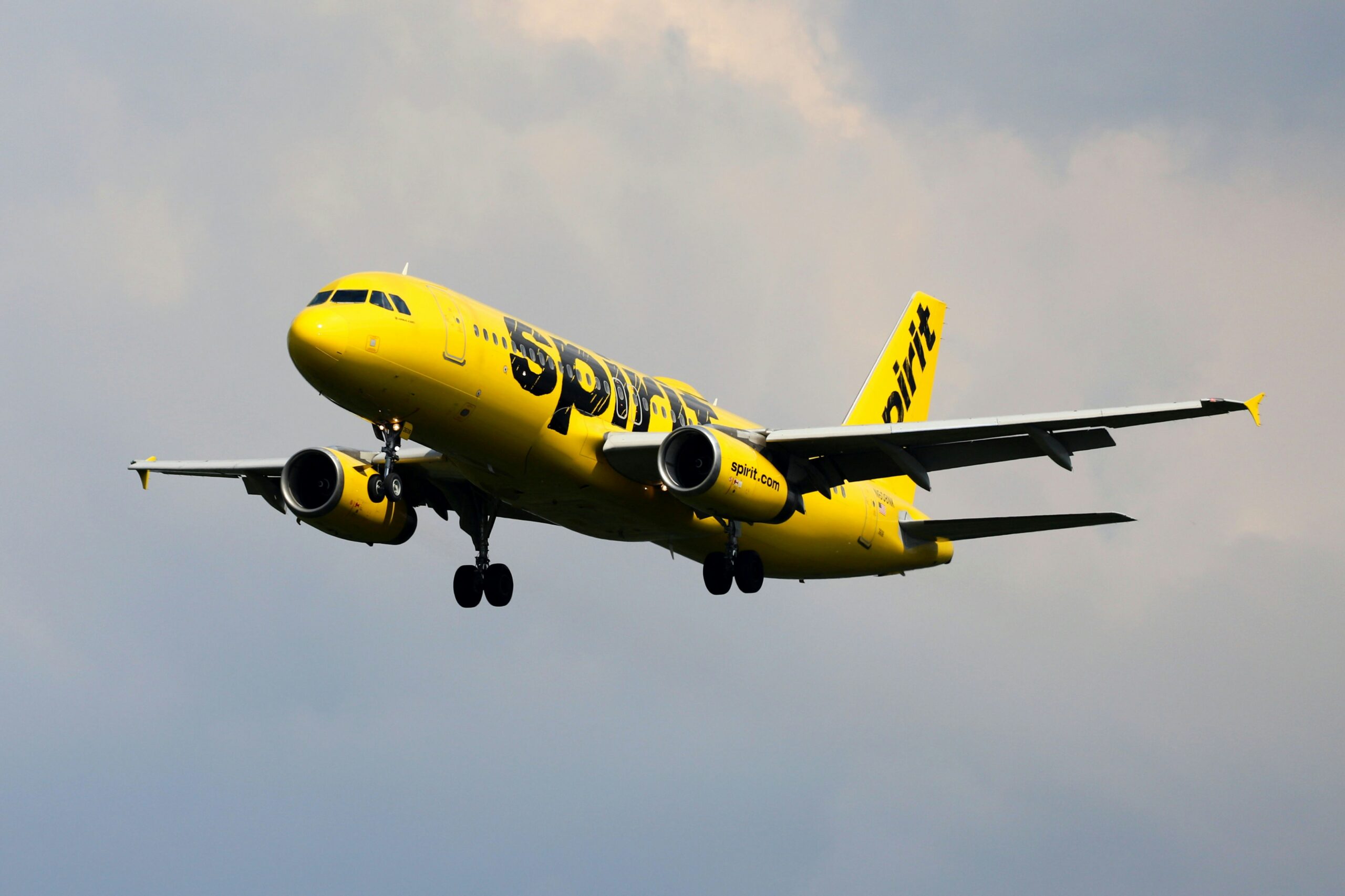
Spirit Airlines moves decisively to regain stability after exiting bankruptcy in March 2025. The carrier now aims to streamline operations and restore financial strength through aggressive restructuring. In this critical phase, Spirit Airlines will furlough 270 pilots this fall and downgrade 140 positions by October. These changes, though difficult, reflect the airline’s commitment to long-term survival in a tough aviation landscape.
The airline had earlier struggled with rising costs, intense competition, and failed merger talks with JetBlue. That merger could have reshaped Spirit Airlines’ future but collapsed under regulatory pressure. Instead, the company secured a $350 million equity investment to push forward on its own. Since then, Spirit Airlines has focused on trimming overhead, optimizing resources, and defending its role as a low-cost carrier.
While managing personnel cuts, the airline also battles industry consolidation. Spirit Airlines strongly opposed a recent partnership between JetBlue and United Airlines. The deal, which allows loyalty sharing and website booking between both carriers, threatens to weaken competition. Spirit believes such alliances damage the market, raise fares, and reduce consumer choices.
In today’s airline industry, cost-cutting alone does not ensure survival. Travelers now demand value, convenience, and flexible options. Spirit Airlines adapts by boosting tech use, rethinking customer experience, and expanding routes. Despite current challenges, it continues to offer affordable options for both domestic and international travelers.
Spirit Airlines now stands at a crossroads. Its success will depend on quick decisions, lean operations, and market adaptability. The airline must protect its niche while embracing innovation. If it succeeds, Spirit Airlines will emerge leaner, smarter, and better equipped to lead the low-cost travel market.
Related stories:
Catch up on the top stories and travel deals by subscribing to our newsletter!