
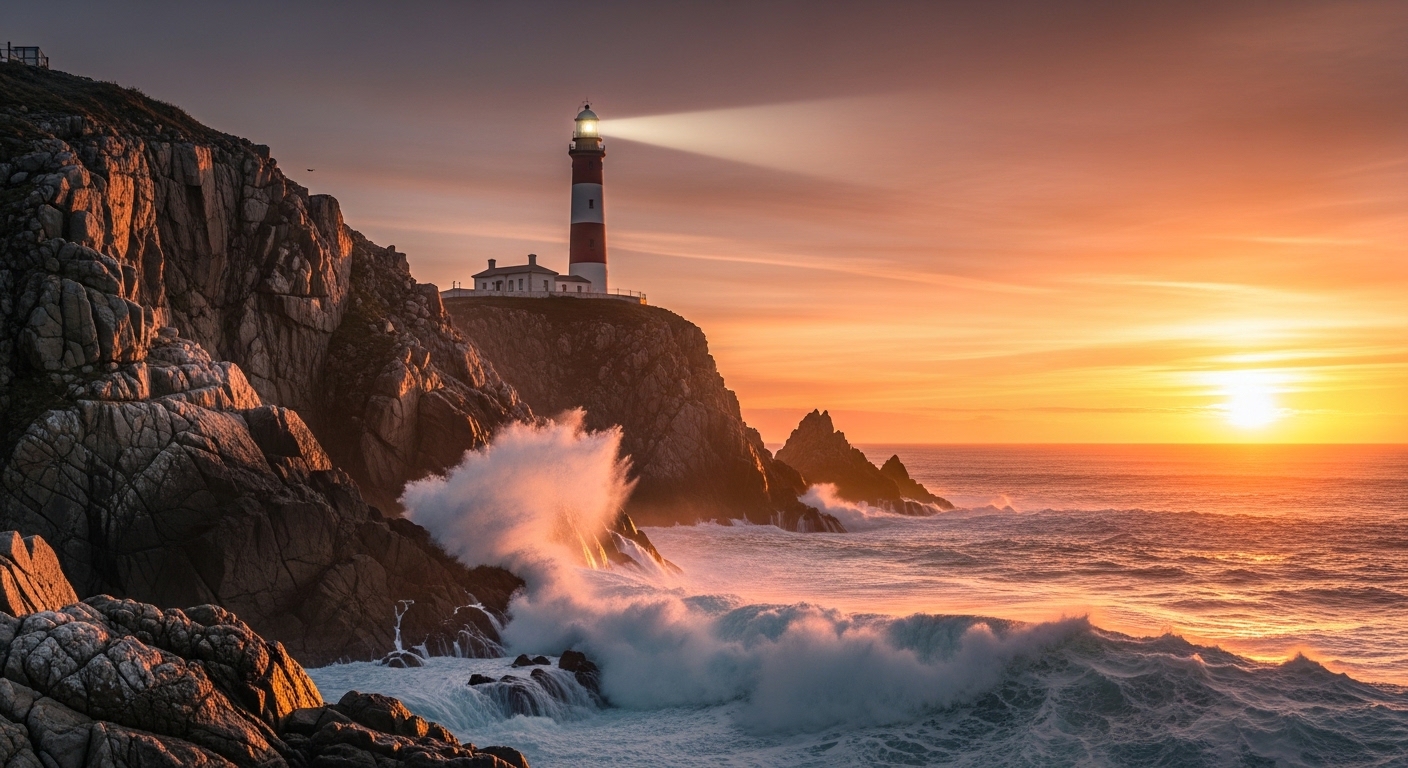
Travelers often look for unique places to stay, yet many overlook one of the most extraordinary accommodations available along the world’s coastlines. Imagine sleeping in a tower that once guided ships through storms and darkness. Picture waves crashing against cliffs while the lighthouse lantern glows above you. This unforgettable experience awaits anyone who chooses to stay in historic lighthouses. These remarkable structures combine maritime history, dramatic scenery, and peaceful solitude in a way that few hotels can match.
Across the globe, many preserved lighthouses now welcome overnight guests. Instead of serving only as navigational beacons, they offer travelers a chance to step inside history. Some stand on rugged islands, others overlook charming fishing villages, and a few rise dramatically from windswept cliffs. Every location tells a different story. The opportunity to stay in historic lighthouses allows travelers to experience the romance and mystery of coastal life while enjoying comfortable accommodations.
Have you ever imagined what life was like for lighthouse keepers who watched the sea night after night? Would you enjoy waking up to panoramic ocean views and the distant sound of waves? For travelers seeking unusual experiences, staying in a lighthouse might become one of the most memorable trips of their lives.
Why Travelers Choose to Stay in Historic Lighthouses
Unique accommodations have become increasingly popular as travelers search for memorable experiences instead of standard hotel stays. Historic lighthouse stays offer something few other places can provide: a combination of history, isolation, natural beauty, and maritime culture.
Many people feel fascinated by lighthouses because they represent safety, adventure, and resilience. For centuries, lighthouse keepers protected ships by maintaining the beacon light during storms and darkness. Their dedication saved countless lives at sea. When travelers stay in historic lighthouses today, they step into a living piece of that maritime heritage.
Another major appeal involves the breathtaking scenery surrounding most lighthouses. These towers were built in strategic locations where ships needed guidance. As a result, they often sit on dramatic cliffs, remote islands, or picturesque coastlines. Guests enjoy sweeping ocean views, vibrant sunsets, and peaceful environments far from crowded tourist centers.
Staying in a lighthouse also offers an unmatched sense of tranquility. Many lighthouse accommodations limit the number of visitors, which creates a peaceful atmosphere where travelers can relax and reconnect with nature.

Remarkable Historic Lighthouses You Can Stay In
Several countries have restored historic lighthouses and transformed them into remarkable guest accommodations. Each location offers a unique blend of history, scenery, and comfort.
Race Point Lighthouse, United States
Located on the windswept coast of Cape Cod, Race Point Lighthouse offers travelers an unforgettable coastal retreat. Built in the early nineteenth century, the lighthouse once guided ships through the treacherous waters surrounding Massachusetts.
Today, visitors can stay in restored keeper’s houses near the tower. Guests enjoy quiet beaches, scenic dunes, and spectacular ocean views. Sunsets at Race Point often feel magical as the lighthouse beam sweeps across the Atlantic.
Fanad Head Lighthouse, Ireland
Standing proudly on Ireland’s rugged northern coast, Fanad Head Lighthouse ranks among the most beautiful lighthouses in the world. Built in 1817 after a tragic shipwreck, the lighthouse has protected vessels navigating the Atlantic for over two centuries.
Visitors can now stay in historic cottages beside the tower. The surrounding cliffs, wild Atlantic waves, and peaceful countryside create an unforgettable experience for travelers seeking dramatic coastal scenery.
Bengtskär Lighthouse, Finland
Far out in the Baltic Sea stands Bengtskär Lighthouse, the tallest lighthouse in the Nordic region. Built in 1906, this impressive granite tower once played an important role in Finland’s maritime defense.
Today, visitors can stay overnight in guest rooms within the lighthouse complex. The experience feels truly remote because the lighthouse sits on a rocky island surrounded by open sea. Guests often enjoy guided tours, historical exhibitions, and peaceful evenings watching the sunset over the Baltic.
Little Island Lighthouse, Canada
On Canada’s eastern coast, travelers can stay in charming lighthouse accommodations overlooking the Atlantic Ocean. Many visitors arrive after flying with airlines such as Air Canada and traveling through scenic coastal provinces.
These lighthouse retreats provide cozy rooms, maritime museums, and spectacular coastal landscapes. Guests often spend their days exploring fishing villages, whale-watching tours, and scenic coastal trails.
What It Feels Like to Stay in Historic Lighthouses
The experience of staying in a lighthouse differs greatly from traditional accommodations. Guests quickly notice the peaceful atmosphere created by ocean winds, distant waves, and wide open skies.
Most lighthouse stays encourage visitors to slow down and appreciate their surroundings. Instead of busy schedules, travelers enjoy quiet walks along rocky shores, photography sessions during golden sunsets, and evenings filled with maritime stories.
Many lighthouse accommodations also preserve elements of the keeper’s original lifestyle. Guests may see antique navigation equipment, historic photographs, and restored lantern rooms that once guided ships safely to shore.
Climbing the lighthouse tower often becomes a highlight of the stay. From the top, visitors witness panoramic views that stretch across the sea. Watching the lighthouse beam rotate at night can feel both mesmerizing and humbling.
The History Behind Lighthouse Life
Lighthouse keepers once lived challenging lives. They maintained the beacon light during storms, cleaned the lantern lenses, and ensured ships could navigate dangerous coastlines safely. In remote locations, keepers sometimes lived in isolation for months at a time.
Today, staying in historic lighthouses allows travelers to imagine that remarkable lifestyle. Visitors learn how keepers operated massive Fresnel lenses, monitored weather conditions, and watched for ships during rough seas.
Many lighthouse museums share fascinating stories about rescues, shipwrecks, and maritime exploration. Organizations such as United States Coast Guard have also played a vital role in preserving lighthouse heritage.

Tips for Planning a Lighthouse Stay
Book Early
Lighthouse accommodations remain limited and highly popular. Reservations often fill quickly, especially during summer travel seasons.
Pack for Coastal Weather
Many lighthouses stand in exposed coastal environments where weather can change quickly. Bring warm clothing and comfortable walking shoes.
Respect Historic Sites
These structures represent important maritime heritage. Visitors should follow guidelines that protect buildings and surrounding ecosystems.
Embrace the Quiet Atmosphere
Lighthouse stays offer a chance to disconnect from busy routines. Enjoy the calm environment and appreciate the beauty of the sea.
Why Lighthouse Travel Continues to Grow
Travelers increasingly search for accommodations that provide meaningful experiences. Historic lighthouse stays combine adventure, heritage, and natural beauty in a single destination.
Visitors leave with stories about ocean views, coastal winds, and fascinating maritime history. Many guests describe their lighthouse stay as one of the most memorable experiences of their travels.
Would you ever choose to stay in historic lighthouses during your next trip? Which coastline would you explore first?
We would love to hear your thoughts and travel dreams. Share your experiences and ideas in the comments.
If you enjoy discovering unique travel experiences like staying in historic lighthouses, follow WentWorld on our social media platforms for more inspiring travel stories, destination ideas, and hidden gems from around the globe.
Catch up on the top stories and travel deals by subscribing to our newsletter!









Leave a Reply
You must be logged in to post a comment.