What comes to mind when you think about tea? For some, it’s a cozy morning ritual. For others, it’s a healing tradition passed down for centuries. But here’s something fascinating—tea isn’t just a drink. It’s a cultural experience, a story of heritage, rituals, and hospitality that connects people across the world. If you’ve ever wondered where in the world you can find the most authentic and unforgettable tea traditions, you’re about to discover exactly that. Let’s dive into the best countries for experiencing traditional tea culture and see how tea goes far beyond the cup.
Before we begin, think about this: have you ever slowed down while drinking tea and imagined the journey of those leaves—from the misty mountains where they were grown, to the hands that carefully picked and prepared them, to the cultural traditions that turn tea into more than just a beverage? Traveling to places where tea is deeply rooted can give you that sense of connection. Ready to explore? Let’s get started.
China: The Birthplace of Tea
When talking about the best countries for experiencing traditional tea culture, we simply can’t ignore China—it’s where tea was born. With a history dating back over 5,000 years, Chinese tea traditions are as diverse as the country itself. From green tea like Longjing to the earthy complexity of Pu-erh, every sip tells a story. Tea houses in cities like Chengdu or Hangzhou aren’t just about tea—they’re about conversation, connection, and contemplation.
Imagine sitting in a quiet tea garden, sipping on fragrant jasmine tea while bamboo leaves rustle in the wind. Wouldn’t you want to experience how something so simple becomes a spiritual ritual? China’s tea ceremonies emphasize patience and respect, teaching travelers that tea is not rushed—it’s savored.
Japan: The Zen of Matcha
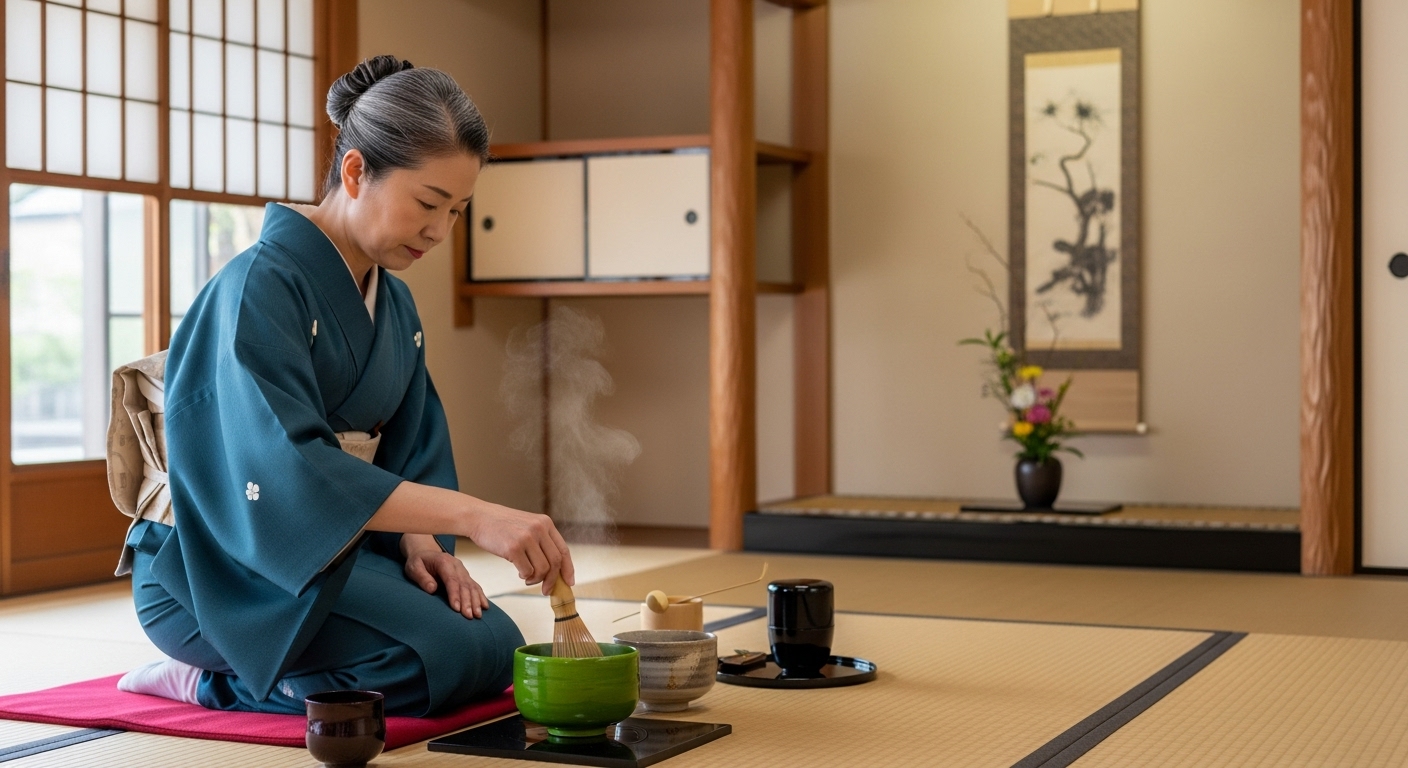
Japan’s relationship with tea is almost meditative. The famous tea ceremony, or chanoyu, revolves around powdered green tea known as matcha. But here’s the beauty—it’s not about drinking tea; it’s about mindfulness. Every movement, every gesture, is deliberate. When you participate in a tea ceremony in Kyoto or Tokyo, you’re not just tasting tea—you’re stepping into a centuries-old ritual of peace and simplicity.
Have you tried matcha before? The frothy green tea is now popular worldwide, but tasting it in Japan, whisked to perfection with bamboo tools, is a completely different experience. Beyond ceremonies, Japanese tea culture also includes everyday teas like sencha and genmaicha, each with its own charm. Isn’t it incredible how one small cup can reflect an entire philosophy of life?
India: The Land of Chai
Tea in India is not just a drink—it’s a lifestyle. Think about the bustling streets of Delhi or Mumbai, where vendors serve steaming hot cups of chai spiced with cardamom, ginger, and cinnamon. Chai stalls (called chaiwallahs) aren’t just about refreshment—they’re community hubs where conversations flow as freely as the tea.
India is one of the world’s largest tea producers, with famous regions like Assam and Darjeeling known for their distinct flavors. Darjeeling tea, often called the “champagne of teas,” is delicate and floral, while Assam tea is strong and malty. Whether you’re sipping chai in a clay cup on a busy street or visiting a hillside plantation, India proves why it’s one of the best countries for experiencing traditional tea culture.

Morocco: Mint Tea and Hospitality
If you’ve ever visited Morocco, you know that tea is more than a drink—it’s a gesture of welcome. Moroccan mint tea, made with green tea, fresh mint leaves, and sugar, is poured with elegance from a height to create a frothy top. But beyond the preparation, mint tea represents friendship and hospitality. Refusing a cup of tea in Morocco? Practically unheard of.
Picture yourself in a Moroccan riad, sitting under intricate tiles and lanterns, sipping sweet mint tea while chatting with locals. Doesn’t that sound magical? Tea here is not just about flavor—it’s about connection and community.
Turkey: Tea in Tulip Glasses
In Turkey, tea—or çay—is everywhere. Served in small tulip-shaped glasses, black tea is a symbol of warmth and friendship. Whether you’re on the bustling streets of Istanbul or the quiet towns along the Black Sea, you’ll always find tea brewing. It’s not just offered to guests—it’s a way of saying, “You’re welcome here.”
Have you noticed how tea traditions often go hand-in-hand with hospitality? In Turkey, refusing tea might even come across as rude. Locals drink multiple small glasses throughout the day, often paired with lively conversations. Doesn’t it make you wonder how tea brings people together in ways coffee sometimes doesn’t?

United Kingdom: Afternoon Tea Elegance
We can’t talk about global tea culture without mentioning the UK. Afternoon tea is practically an institution here, often paired with scones, sandwiches, and cakes. But it’s more than just fancy snacks—it’s a moment of pause in the middle of the day, a tradition that has stood the test of time.
Imagine sitting in a traditional London tea room, enjoying Earl Grey or English Breakfast tea served in delicate china cups. Even though tea wasn’t originally native to the UK, it’s become deeply woven into the fabric of British life. And isn’t that fascinating—how a drink can shape a nation’s identity?
Other Tea-Loving Nations
Of course, the tea journey doesn’t end with just these six. Countries like Sri Lanka (famous for Ceylon tea), Taiwan (the birthplace of bubble tea and oolong), and Russia (with its strong samovar traditions) also make the list of best countries for experiencing traditional tea culture. Each place has its own unique way of celebrating tea, proving that this humble leaf has truly traveled the globe.
Why Tea Culture Matters
So why does tea matter so much? Because tea is more than what’s in your cup—it’s about slowing down, appreciating traditions, and connecting with others. In a world that feels increasingly fast-paced, tea teaches us the beauty of pausing, sharing, and being present. Isn’t that something we all need more of?
Have you ever experienced a traditional tea ceremony or shared tea in another country? Which tea culture do you dream of exploring next? Share your stories in the comments—we’d love to hear your thoughts. And don’t forget to follow us on our social media platforms for more cultural journeys, travel inspiration, and global experiences. Let’s explore together, one cup at a time!
Catch up on the top stories and travel deals by subscribing to our newsletter!