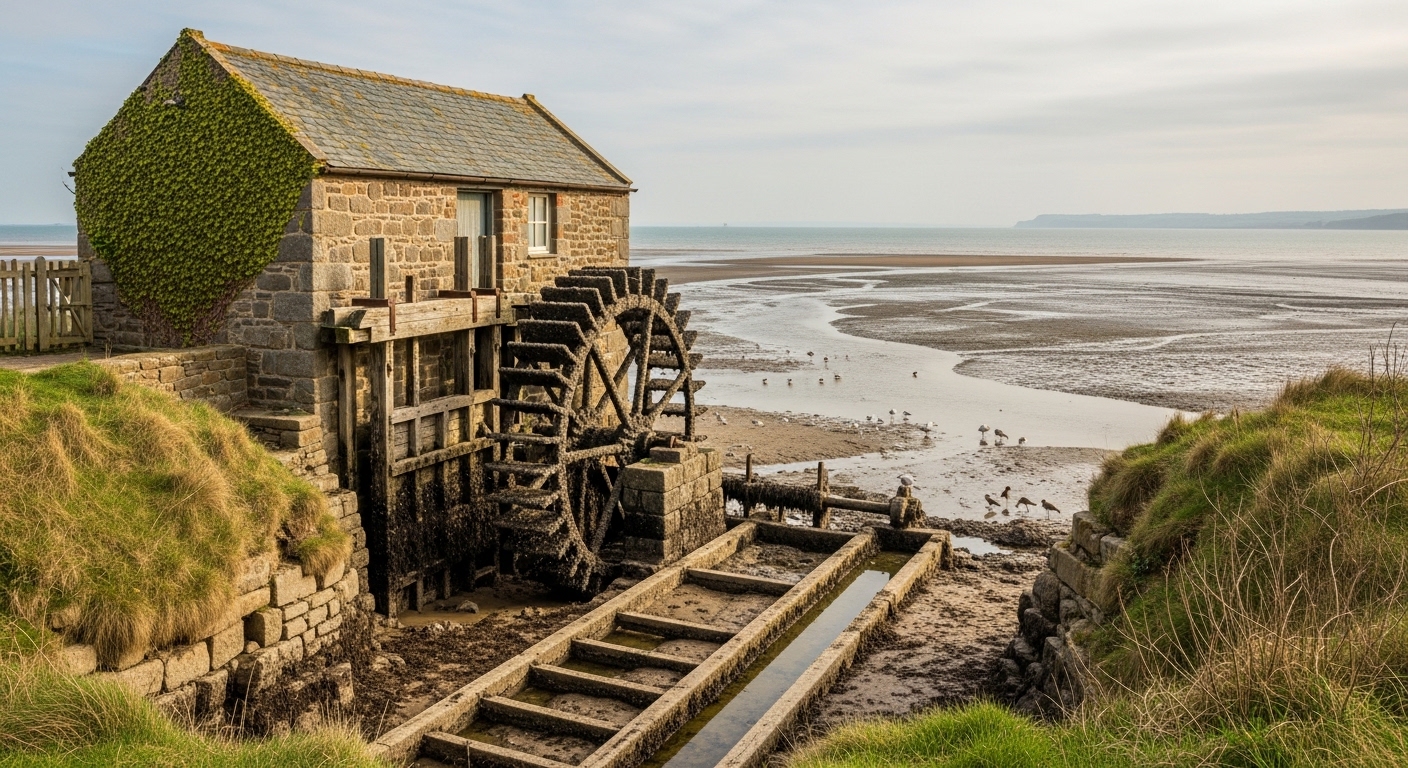
Imagine stepping back in time to witness the clever engineering of coastal communities centuries ago. Tide mills you can tour at low water offer just that—a unique glimpse into how human ingenuity harnessed the natural rhythms of tides for milling grain, generating power, and shaping local economies. From restored heritage sites to working museum mills, these locations are a fascinating intersection of history, engineering, and coastal ecology.
Unlike traditional mills that rely on rivers or wind, tide mills depend on the ebb and flow of the ocean. Visiting them at low water allows tourists to explore the mill mechanisms, reservoirs, and channels that would otherwise be submerged. For history buffs, engineers, or curious travelers, tide mills provide a tactile, immersive experience where science, culture, and storytelling meet.
The History and Mechanics of Tide Mills
Tide mills have been used for centuries, especially in Europe, the Middle East, and parts of North America. They were often constructed near estuaries, where tidal ranges were sufficient to fill mill ponds. During high tide, water would enter reservoirs. As the tide fell, sluice gates would release the stored water to drive waterwheels, grinding grain or powering machinery.
The brilliance of these mills lies in their simplicity and sustainability. They demonstrate early forms of renewable energy, long before electricity or fossil fuels. Today, tide mills you can tour at low water serve as educational landmarks, showing how coastal communities adapted to their environment while creating essential infrastructure.
Why Visiting at Low Water Is Essential
Low water tours offer a unique opportunity to see the inner workings of a tide mill. At low tide, the water recedes, revealing channels, sluices, mill ponds, and sometimes the original mechanisms. Visitors can observe the construction techniques, stonework, and engineering ingenuity that powered coastal economies for centuries.
During low water, guides often explain how the tide timing was crucial for operations. Some sites offer interactive exhibits where visitors can manipulate sluices or operate miniature waterwheels. This hands-on approach brings history alive in a way that static museum exhibits rarely achieve.

Notable Tide Mills Around the World
Here are some of the most remarkable tide mills you can tour at low water:
- Eling Tide Mill, England: Located near Southampton, Eling is one of the oldest working tide mills in the UK. Built in the 18th century, it still grinds wheat into flour using tidal energy. Tours at low water reveal the mill pond and mechanisms in full view. More info: Eling Tide Mill.
- Woodbridge Tide Mill, Suffolk, UK: Another British gem, Woodbridge’s mill dates back to the 12th century. Visitors at low tide can see the sluices, waterwheel, and pond structures. Guided tours highlight the mill’s history and its role in local trade.
- Thames Tide Mills, London, UK: While partially in ruins, the Thames tide mills near London showcase the industrial heritage of tidal milling. Low water tours allow visitors to walk along the exposed foundations and learn about historical milling practices. Visit London provides tips for access and seasonal tours.
- Rochefort Tide Mill, France: In Charente-Maritime, France, this restored 17th-century tide mill demonstrates French coastal engineering. Tours at low water show the waterwheel and sluice gates in operation, alongside interactive educational exhibits.
- Colonial Tide Mills, USA: In New England, several restored colonial tide mills allow visitors to explore early American industrial ingenuity. These include mills in Massachusetts and Maine, where low tide exposes working channels and foundations. More info at Massachusetts Travel.
Experiences You Can Expect on a Tide Mill Tour
Visiting tide mills you can tour at low water is more than just sightseeing. Here’s what travelers can expect:
- Hands-on demonstrations of milling grain with tidal power
- Guided walks along exposed mill ponds and sluices
- Interpretive exhibits about tidal engineering, coastal ecology, and local history
- Photography opportunities with dramatic coastal and industrial scenery
- Seasonal workshops on traditional milling, renewable energy, or maritime heritage
Would you like to see centuries-old machinery operating without electricity, powered solely by the tides?
Why Tide Mills Are Important Today
Beyond tourism, tide mills are living reminders of sustainable practices. They teach us how past communities adapted to environmental cycles, emphasizing energy efficiency and ecological balance. They also act as coastal heritage sites, preserving historical engineering knowledge and architectural techniques.
For travelers, tide mills offer a chance to slow down, observe nature’s rhythms, and appreciate human ingenuity. They are quiet, reflective destinations that combine science, history, and outdoor adventure.

Tips for Touring Tide Mills at Low Water
- Check tide tables to plan your visit during the lowest water levels for maximum visibility.
- Wear waterproof or sturdy shoes, as exposed mill channels can be slippery.
- Consider guided tours to fully understand the mechanics and historical context.
- Bring a camera; low water exposes unique angles and historical features not visible at high tide.
- Respect the site—these are historic structures and sometimes working mills.
The Future of Tide Mill Tourism
As interest in sustainable travel and heritage tourism grows, tide mills you can tour at low water are gaining attention. Some cities are incorporating augmented reality to show past operations, digital tide monitoring, and educational apps to enhance the visitor experience.
Visiting a tide mill is a journey into history, science, and coastal culture. It’s a reminder that even centuries-old technology can inspire curiosity and respect for the environment today. Would you include a tide mill tour in your next coastal road trip?
Share your thoughts, experiences, and favorite tide mills in the comments below! Follow WentWorld.com on social media for more fascinating travel experiences and hidden heritage destinations.
Catch up on the top stories and travel deals by subscribing to our newsletter!