
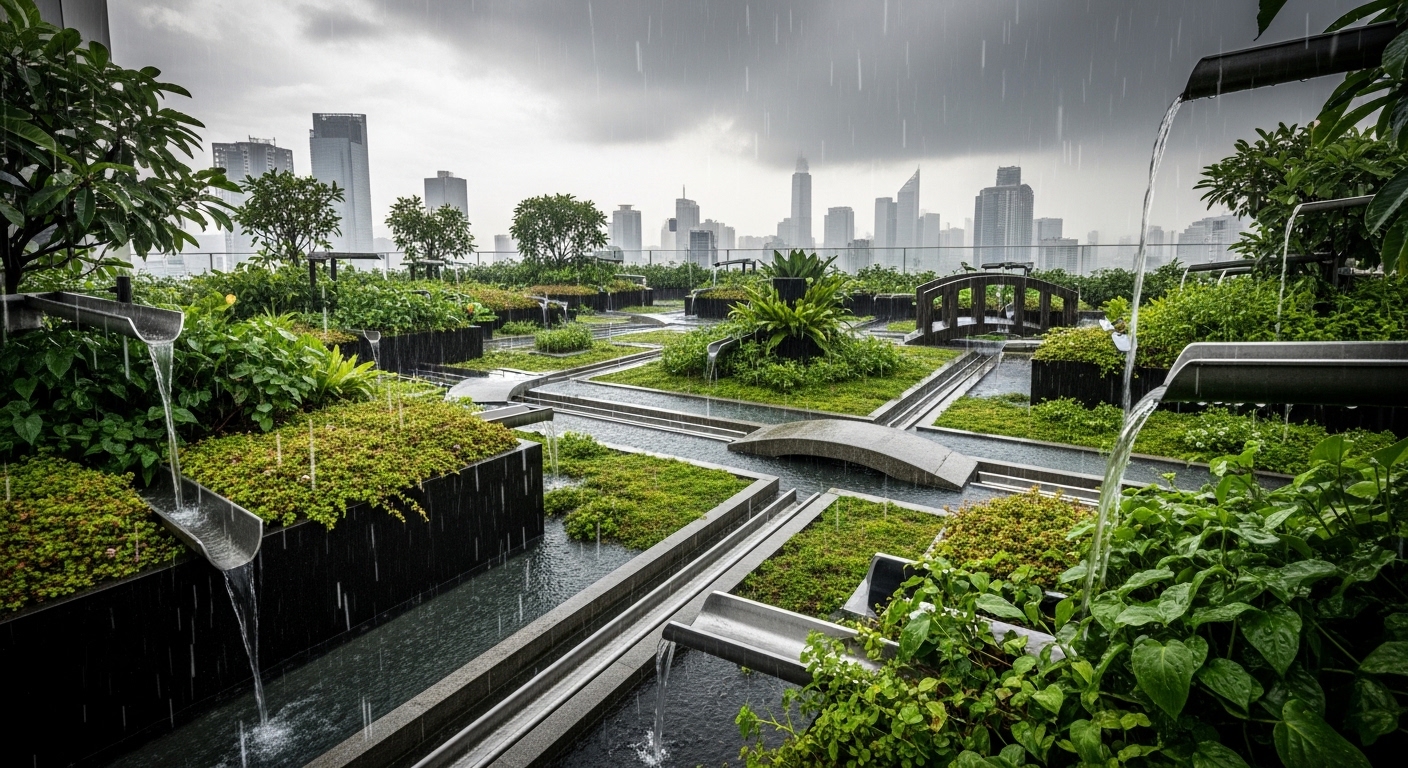
Rain harvest rooftops you can tour during monsoon are changing the way people experience cities during the rainy season. These rooftops invite visitors to step into the rain, observe how it moves, and learn how water can be captured and reused. By turning rainfall into a visible and functional system, these spaces make sustainability tangible and memorable for everyone.
Most people rush indoors when rain starts, avoiding puddles and wet streets. But imagine stepping onto a rooftop where the rain becomes the main attraction. On these rooftops, water flows through channels, fills small pools, and nourishes rooftop gardens, turning storms into interactive experiences rather than nuisances.
Visitors can see every step of the water cycle in action. The rain travels through open channels, passes through filters, and collects in storage areas, ready to be reused for irrigation, cleaning, or even cooling buildings. By seeing this process, people feel more connected to the environment and gain insight into how cities can manage water efficiently.
What Are Rain Harvest Rooftops You Can Tour During Monsoon?
Rain harvest rooftops are designed to capture and reuse rainfall, rather than letting it drain away. Unlike hidden systems, these rooftops show every step, from the water falling on the roof to it being stored or reused. Visitors can explore channels, filters, and small storage pools, turning infrastructure into a learning experience that blends function with beauty.
Many rooftops also include walkways, seating areas, and small gardens. People can comfortably explore while the rain flows around them, making the experience both safe and immersive. This active participation helps visitors understand the impact of water harvesting and see how it contributes to a city’s sustainability goals.
Designers often incorporate greenery, small waterfalls, and open pools to enhance both the aesthetics and the functionality of these rooftops. By making water visible and interactive, the rooftops create a space that is educational, relaxing, and visually appealing all at once.
Why Monsoon Makes These Rooftops Magical
Monsoon rains bring these rooftops to life in a dramatic way. Channels overflow with water, pools ripple under raindrops, and plants thrive with the added moisture. Birds and insects often return, adding movement and sound to the space. The rooftop becomes a lively ecosystem where visitors can witness the rain cycle in action.
Cities often organize guided tours during the rainy season to highlight the rooftop’s water harvesting systems. These tours show how much water a building can save and reuse, offering practical insights along with an emotional experience. Visitors leave with a new perspective on rainfall, understanding it as a resource rather than an inconvenience.
Experiencing a rain harvesting rooftop during monsoon also encourages reflection. Visitors naturally ask questions about water usage, conservation, and city planning. They begin to think about how they might reduce waste at home or support similar initiatives in their communities, connecting personal action to urban sustainability.

The Shift From Avoiding Rain to Enjoying It
Traditionally, rain brings inconvenience, from traffic delays to soaked clothing. Rain harvest rooftops transform this perception by encouraging people to observe and interact with rainfall. The experience turns frustration into curiosity and teaches visitors to appreciate water as a valuable resource.
Seeing rain being captured and reused makes visitors more aware of their own water habits. Many reduce water waste, fix leaks faster, or even install small rain harvesting systems at home. By experiencing the system in action, people connect emotionally with sustainability, which often motivates lasting behavior change.
This transformation also extends to the community. When public buildings include accessible rain harvesting rooftops, the benefits spread beyond individual awareness. People learn collectively, and sustainability becomes a shared experience rather than an abstract idea.
How Rain Harvest Rooftops Work
Rain harvesting rooftops follow a simple and logical design. Rain falls onto the roof and moves along channels that guide it to filtration areas. Filters remove dirt and debris before the water flows into storage tanks or shallow pools. Some systems even direct overflow to recharge groundwater or irrigate nearby plants.
Many rooftops include transparent pipes, flowing water features, and planted areas to make the process visible. Visitors can watch the water move and see how it gets stored for later use. These features turn practical infrastructure into an engaging educational tool, helping people understand urban water management.
Walkways, benches, and small gardens make the space safe and enjoyable for visitors. By combining education, aesthetics, and function, these rooftops provide a memorable way to experience rain while learning about sustainable urban design.
Global Examples of Rain Harvest Rooftops
Cities around the world are embracing rain harvesting as both infrastructure and attraction. Singapore integrates rooftop water systems with sky gardens in public buildings, combining beauty and function. In India, cities like Chennai and Bangalore promote mandatory rooftop harvesting, and some universities and cultural centers open tours to the public during monsoon.
In Berlin, Germany, green roofs manage stormwater while supporting biodiversity. Japan features public buildings with visible rainwater channels and rooftop pools, turning infrastructure into public learning spaces. Across these examples, the message is clear: rain is not waste—it is a resource that can support cities, communities, and the environment.
Tourism and Water-Focused Urban Experiences
Rain harvesting rooftops appeal to a new type of traveler seeking meaningful experiences. Instead of visiting traditional landmarks, visitors explore living systems where water interacts with plants, architecture, and urban design. The experience combines education, curiosity, and beauty, creating a memorable trip.
Eco-tourism programs often pair rooftop tours with visits to urban farms, solar energy sites, and sustainability centers. These trips show how cities can integrate functional, educational, and aesthetic systems. Visitors leave inspired and often motivated to implement sustainable practices in their own communities.
By combining education with sensory experience, rain harvesting rooftops offer visitors a unique way to see urban life differently. They highlight the possibilities of cities that work in harmony with natural processes instead of fighting against them.
Challenges and Practical Considerations
Rain harvesting rooftops face challenges such as maintenance, structural limits, and water quality concerns in polluted areas. Filters and storage tanks require regular cleaning, and older buildings may not support the weight of water-filled systems. Despite these challenges, the long-term benefits outweigh the costs.
Lower water bills, reduced flood risk, and increased community awareness make these rooftops valuable investments. By experiencing the systems firsthand, visitors also gain knowledge that spreads beyond the building, encouraging sustainable practices at home and in the community.
Climate Adaptation Benefits
Climate change makes rainfall unpredictable, with sudden storms and droughts affecting cities worldwide. Rain harvesting rooftops address both extremes by capturing water during storms and storing it for later use. This approach increases urban resilience and helps communities manage water efficiently.
By designing rooftops that work with weather patterns, cities can reduce flooding, lower dependence on external water sources, and provide practical demonstrations of sustainability. The benefits go beyond infrastructure—they change how people relate to rain and water use.

Accessibility and Social Impact
Who gets access to rain harvesting rooftops is an important consideration. In luxury developments, these systems may serve only residents, but public buildings like schools, libraries, and transit hubs can open these experiences to everyone. Making rooftops accessible ensures that learning and appreciation of sustainable water management reach the largest possible audience.
Accessible rooftops also foster community engagement and collective responsibility. People see firsthand how water management affects their city, creating awareness and inspiring actions that go beyond the individual.
Design Lessons From Rain Harvest Rooftops
Rain harvesting rooftops show how cities can combine functionality with beauty. By exposing infrastructure and reconnecting people with natural cycles, designers create spaces that educate and inspire. This approach encourages a collaborative mindset, where humans and nature work together instead of in conflict.
The rooftops demonstrate that sustainable design does not need to be hidden or complex. Thoughtful placement of channels, pools, and greenery transforms infrastructure into an engaging, approachable, and aesthetically pleasing experience.
Experiencing a Rain Harvest Rooftop
Picture standing on a rooftop during monsoon, with water flowing along channels, pools rippling with rain, and plants glistening with droplets. Birds and insects add movement to the scene, creating a living ecosystem above the city. Visitors don’t just watch the storm—they become part of it, feeling the rhythm of rainfall while learning about its potential uses.
The experience blends beauty, education, and reflection. Instead of viewing rain as an inconvenience, people leave with a new perspective on how urban spaces can harness natural resources. It inspires both wonder and practical thinking about sustainability in everyday life.
Final Thoughts on Rain Harvest Rooftops You Can Tour During Monsoon
Rain harvest rooftops you can tour during monsoon redefine urban experiences by turning rainfall into immersive, interactive learning spaces. They transform rooftops into landscapes, infrastructure into education, and storms into memorable experiences. Sustainability feels tangible, meaningful, and even beautiful when visitors participate in water harvesting firsthand.
Have you ever visited a rain harvesting rooftop? Would you like to explore one in your city? Share your thoughts and inspire others to experience water in new ways. Follow WentWorld on social media for more stories that combine travel, sustainability, and urban innovation.
Catch up on the top stories and travel deals by subscribing to our newsletter!










Leave a Reply
You must be logged in to post a comment.