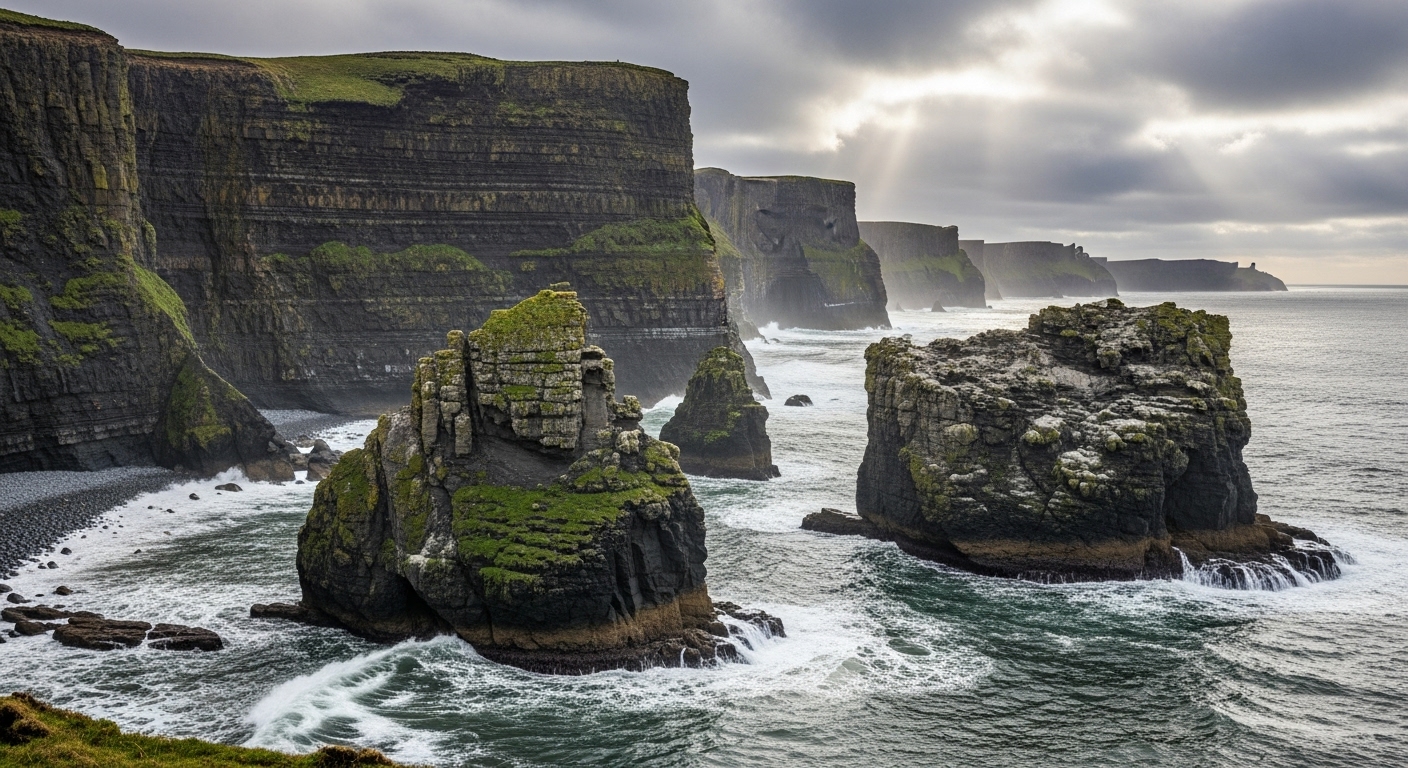
The Atlantic coastline has always carried an air of mystery—its unpredictable storms, relentless tides, and dramatic weather patterns create landscapes that look more like natural sculptures than simple seashores. Among the most captivating of these landscapes are the storm-sculpted rock gardens on Atlantic coasts, breathtaking formations shaped by centuries of wind, waves, and raw ocean power. If you’ve ever stood on a rugged cliff and wondered how nature manages to carve such intricate shapes into solid rock, you’re not alone. These coastal rock gardens feel almost deliberate, as if nature itself were an artist working with stone and sea.
The first time many visitors encounter these rock gardens, they’re struck by a mix of awe and curiosity. The surfaces are smoothed in some places, deeply grooved in others, and often arranged in patterns that spark the imagination. Were these stones once part of a larger cliff that storms tore apart? How many centuries did it take for a single groove to form? These questions fill your mind as you explore. And as you learn more about storm-sculpted rock gardens on Atlantic coasts, you begin to understand that every crack, curve, and crevice tells a story of time, endurance, and natural artistry.
The Unique Power of Atlantic Storms
It all begins with the Atlantic Ocean—one of the world’s most dynamic and forceful bodies of water. Unlike gentler seas, the Atlantic thrives on drama. Seasonal storms sweep across the water, gathering energy, building waves, and slamming into coastlines with astonishing force. These storms don’t just pass; they change things. Rocks are thrown, cliffs are eroded, and new shapes emerge as the ocean reshapes its border. Have you ever stood on the coast during a windy day and felt the push of the ocean’s power? Imagine that strength magnified hundreds of times during a storm.
The rock gardens that line many parts of the Atlantic coast owe their existence to this relentless cycle of force. While some formations come from ancient geological shifts, many of the more intricate surface details are the direct result of storms carving, smoothing, and polishing rock through years of repeated contact. When stormwater floods crevices, freezes, expands, and melts, rocks crack and split. When tides bring in pebbles and sand, they act like natural sandpaper, grinding surfaces smooth. It’s an ongoing collaboration between water and stone—a partnership that produces breathtaking results.
What Makes Storm-Sculpted Rock Gardens So Captivating?
Not all shorelines evoke the same sense of mystery. What sets storm-sculpted rock gardens on Atlantic coasts apart is the combination of beauty, complexity, and the feeling that the formations are alive with stories. Each rock bears the marks of its battle with the ocean. Some appear twisted, as if frozen mid-motion; others look layered like stacks of ancient pages. Some are smooth enough to sit comfortably, while others feature surprising angles and jagged edges.
Have you ever noticed how rock formations often resemble objects, animals, or even people—almost as if nature has left hidden messages for us to decipher? Visitors often say these rock gardens feel like open-air museums, where every piece encourages exploration and interpretation. You might spend hours wandering, pausing to examine a swirl or spiral in the stone, or climbing onto a ledge that offers a better view of the ocean beyond. It’s an experience that blends geology with imagination.
Historic Layers Hidden in the Stone
What many people don’t realize is that these rock gardens also serve as natural archives. The layers visible in many formations reveal stories of ancient climates, shifting continents, and long-extinct ecosystems. Some areas feature rocks that are hundreds of millions of years old, formed when the Atlantic didn’t even exist. When storms carve into these ancient surfaces, they expose patterns and minerals long buried beneath the ground.
If you’ve ever held a rock and wondered where it came from, imagine the feeling of touching one that’s older than the mountains surrounding it. These formations invite curiosity. What changes has this coastline seen? How many storms have crashed here long before humans walked the earth? When you stand in a storm-sculpted rock garden, you’re not just looking at geological beauty—you’re looking at history made visible.
Famous Atlantic Locations Known for Rock Gardens
The Atlantic coastline stretches across numerous countries and regions, each offering its own collection of rock gardens shaped by storm forces. In places like Ireland’s Wild Atlantic Way, rugged cliffs collide with roaring waves to form rock surfaces that look almost lunar. In Canada’s Nova Scotia and Newfoundland, dramatic shorelines feature wave-carved channels, tide pools, and massive stone slabs that appear cracked into geometric shapes.
Further south, the coasts of France, Spain, and Portugal showcase entirely different textures and colors—red rocks, golden cliffs, and beachside boulder fields polished to near perfection. Have you traveled to any Atlantic coasts before? If so, what landscapes captured your imagination the most? Every region holds its own story, influenced by local weather conditions, rock types, and ocean rhythms.

Nature’s Sculpting Techniques
It’s fascinating to understand how many natural processes come together to form the intricate shapes of storm-sculpted rock gardens on Atlantic coasts. Waves are perhaps the most obvious force, constantly grinding rock surfaces with the help of transported sand and pebbles. Wind carries abrasive materials across open stretches, wearing down even the hardest stones. Temperature changes cause rocks to expand and contract, leading to cracks and fractures that storms later widen.
You might think these processes are too slow to observe, but the truth is that coastlines are always shifting. Visit the same rock garden years apart, and you may notice subtle differences—new cracks, altered pathways, or smoother surfaces. Have you ever revisited a natural site and felt surprised by how much it had changed? Nature’s sculpting never stops, and the Atlantic coast is a perfect example of its timeless artistry.
Exploring Rock Gardens Safely and Responsibly
One of the best ways to experience storm-sculpted rock gardens is simply to walk among them. But because these formations can be slippery, sharp, or unstable, safety must always come first. Wear sturdy shoes with good grip, stay aware of rising tides, and avoid stepping too close to edges—Atlantic waves can be unpredictable. Many regions provide marked trails that allow you to enjoy the scenery without venturing into dangerous zones.
Respecting the environment is equally important. These rock gardens are ancient treasures, and climbing excessively on delicate surfaces can cause erosion. Always follow local guidelines and keep the natural beauty intact for future visitors. Think back to a time when you discovered a breathtaking place—didn’t you hope everyone after you would treat it with the same respect?
Photography Opportunities in Rock Gardens
If you’re a photographer, these rock gardens are a dream come true. The combination of rugged textures, dramatic lighting, and endless patterns creates opportunities for incredible shots. Early mornings often cast soft golden light across the rocks, highlighting grooves and shadows. Late afternoons add warmth and depth, especially when clouds hover low above the water.
Stormy skies offer even more dramatic backdrops. Imagine photographing a dark cloud hovering above a jagged formation, or capturing waves splashing into crevices thousands of years old. Have you ever taken a photo that felt like it captured more emotion than scenery? These coastal landscapes make that feeling almost effortless.
Atlantic Tide Pools: The Gardens Beneath the Gardens
One enchanting feature found among storm-sculpted rock gardens on Atlantic coasts is the tide pool. These small ecosystems form when seawater remains trapped between rocks after the tide recedes, creating micro-worlds filled with marine plants, starfish, tiny fish, snails, and occasionally colorful sea anemones.
Tide pools provide a gentle counterbalance to the dramatic rock formations surrounding them. They remind us that the coastline is not just about stone—it’s also home to delicate marine life. Observing these pools brings you closer to nature’s details. Have you ever crouched down to inspect the tiny life forms inside a tide pool? It’s like peering into a miniature ocean, self-contained yet vividly alive.
The Cultural Significance of Atlantic Rock Shores
Throughout history, coastal communities along the Atlantic have developed deep connections to these rock gardens. Fishermen used certain formations as navigation markers long before modern equipment existed. Artists found inspiration in the shapes and shadows, painting dramatic coastlines that captured the spirit of their time. Local stories, legends, and folklore often revolve around rocks shaped like human faces, mythical creatures, or symbolic objects.

Have you ever visited a place where the landscape seemed woven into local culture? Some rock gardens feature formations so distinct that communities have named them, celebrated them, or passed down traditions connected to them. These stones are not just geological features—they’re cultural landmarks.
Visiting During Storm Season
Many visitors wonder whether storm season is a good time to explore the Atlantic coastline. While you should never approach dangerous shorelines during active storms, visiting just after a storm can be a powerful experience. The air feels charged, the waves remain energetic, and the rocks glisten with fresh saltwater. You can often identify newly formed grooves, cracked surfaces, or shifted boulders, offering a fresh perspective on nature’s ongoing work.
Have you ever felt that strange mix of excitement and calm right after a storm—when the sky begins to clear but the world still feels transformed? Atlantic rock gardens capture that feeling perfectly. They’re places where you can see the raw outcome of nature’s effort, frozen in stone.
Planning a Trip to See Storm-Sculpted Rock Gardens
Whether you’re a solo traveler, a family adventurer, or someone seeking a peaceful escape, these coastal rock landscapes offer something unforgettable. Bring comfortable clothes, shoes designed for uneven terrain, and a camera—you will want to capture everything. Check tidal charts to ensure safe exploring times, and consider visiting areas known for their geological diversity.
Have you planned a coastal trip before? What made the experience memorable? Many travelers say that moments spent in these environments feel grounding, almost meditative. There’s something about the combination of ocean air, rugged stone, and rhythmic waves that helps all worries fade.
Why These Rock Gardens Matter
The beauty of storm-sculpted rock gardens on Atlantic coasts goes beyond aesthetics. They serve as natural archives, ecological habitats, cultural landmarks, and reminders of nature’s continuous evolution. These formations show us how powerful, persistent, and creative the ocean can be. They also remind us that the environment is both fragile and resilient—constantly shaped but always worth protecting.
Have you ever stood in a place that made you feel connected to something much larger than yourself? These rock gardens offer that experience effortlessly. They evoke wonder, respect, and curiosity, encouraging us to explore, learn, and appreciate the natural forces around us.
In the end, storm-sculpted rock gardens on Atlantic coasts are some of the most intriguing natural wonders the world has to offer. They remind us that art doesn’t always come from human hands—sometimes, it’s carved by storms, chiseled by waves, and polished by centuries of nature’s persistence. Each visit offers something new: a different light, a newly exposed formation, or simply a shift in how you perceive the landscape.
Have you explored any rock gardens along the Atlantic coast, or do you have one you dream of visiting someday? We’d love to hear your thoughts, stories, and favorite coastal memories. And don’t forget to follow us on our social media platforms to stay updated on more fascinating nature explorations, travel guides, and coastal wonders.
Catch up on the top stories and travel deals by subscribing to our newsletter!