Water has always been more than a natural resource; it has shaped civilizations, trade, and cultures. Welcome to the fascinating world of historic waterways that once defined empires. Rivers, canals, and ports were not just transportation routes, but lifelines that connected people, powered economies, and forged legacies. From the Nile to the Danube, these waterways carry stories of conquest, commerce, and culture that continue to inspire travelers and historians alike.
Walking along a historic waterway, you can almost hear the echo of merchants, soldiers, and explorers. These people once traversed these currents for trade and conquest. For travelers and history enthusiasts, historic waterways that once defined empires offer a unique chance to experience ancient trade routes, strategic channels, and urban growth that shaped nations.
But which waterways were most influential? Moreover, how can modern explorers appreciate them today? Let’s dive into some of the world’s most iconic historic waterways, uncover their stories, and discover why they are still worth visiting.
The Power of Water in Shaping Empires
Rivers and canals were the arteries of empires. They enabled the movement of armies, goods, and ideas. Ancient civilizations often settled along waterways for strategic, economic, and agricultural reasons. Additionally, waterways facilitated trade across continents, connecting empires to distant lands and diverse cultures.
From the Nile’s role in Ancient Egypt to the Ganges in India, each waterway carried both practical and symbolic significance. They were sites of innovation, architecture, and diplomacy. Therefore, these waterways shaped human history as much as the empires themselves.
Notable Historic Waterways
Across the globe, several waterways played pivotal roles in defining empires and shaping world history:
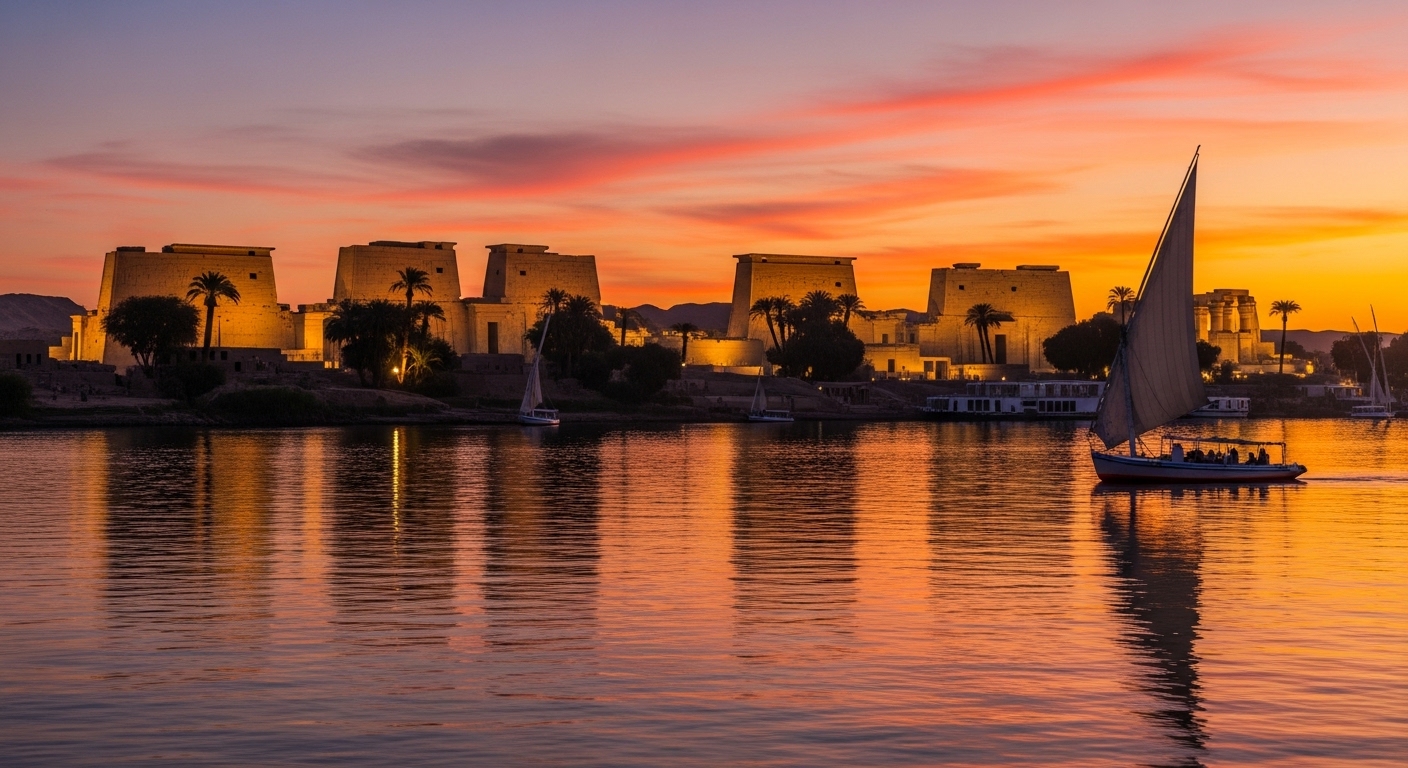
- The Nile River, Egypt: The cradle of Ancient Egyptian civilization, the Nile provided irrigation, transportation, and sustenance. It enabled trade and monumental construction projects like the pyramids. Additionally, it shaped cultural and religious life. More information at Egypt Travel.
- The Danube River, Europe: Flowing through 10 countries, the Danube was central to the Roman Empire and later the Austro-Hungarian Empire. It served as a key trade and military route. Learn more at Danube Region.
- The Ganges River, India: Sacred to millions, it was vital to trade and agriculture. The Ganges supported the rise of multiple empires in the Indian subcontinent. Visit Incredible India for cultural insights.
- The Yangtze River, China: The longest river in Asia, it was central to Chinese dynasties. It helped agriculture, trade, and strategic defense. Learn more at Travel China Guide.
- The Tiber River, Italy: Flowing through Rome, the Tiber was essential for the Roman Empire. It provided trade, defense, and urban planning advantages.

Experiencing Historic Waterways Today
Modern travelers can explore these waterways through boat tours, riverside walks, historic towns, and cultural events. Experiencing historic waterways that once defined empires allows visitors to connect with centuries of human ingenuity, trade networks, and cultural exchange.
For example, walking along the banks of the Danube, you might encounter Roman ruins, medieval castles, and modern cities blending seamlessly. On the Nile, feluccas glide past temples and villages, echoing ancient trade routes. In India, ghats along the Ganges offer spiritual experiences intertwined with daily life and commerce.
Travel Tips for Waterway Explorers
- Choose guided boat tours or cruises to understand historical context and key landmarks.
- Visit at different times of day to experience changing light and ambiance along the water.
- Learn about local cultures and traditions connected to the waterways.
- Check seasonal conditions; water levels and currents can vary significantly.
- Respect sacred or protected areas, particularly in culturally significant waterways like the Ganges.

The Cultural Significance of Historic Waterways
These waterways are not just about trade or transport. They are living symbols of cultural identity. Festivals, rituals, and traditions often revolve around them. In Europe, rivers like the Danube host music festivals and historical reenactments. In India, the Ganges is central to religious ceremonies and pilgrimages. Experiencing these cultural elements adds depth to a traveler’s understanding of history and contemporary life.
Do you prefer exploring waterways for their historical impact, scenic beauty, or cultural significance? Each perspective offers a unique lens for appreciating these living legacies of empires past.
Seasonal and Safety Considerations
Waterways can vary dramatically with the seasons. Flooding, monsoons, or dry spells affect accessibility and scenic quality. Safety precautions, such as wearing life jackets, following local regulations, and respecting natural hazards, ensure a rewarding and secure journey along these historic channels.
From the Nile to the Yangtze, historic waterways that once defined empires offer travelers a unique connection to the past. They blend natural beauty, cultural richness, and historical significance. By exploring these rivers and canals thoughtfully, visitors can see how water shaped civilizations, supported trade, and fostered human ingenuity across centuries.
Which historic waterway would you like to explore first? Share your thoughts and experiences, and follow WentWorld on our social media platforms to uncover more journeys through history, culture, and timeless landscapes.
Catch up on the top stories and travel deals by subscribing to our newsletter!