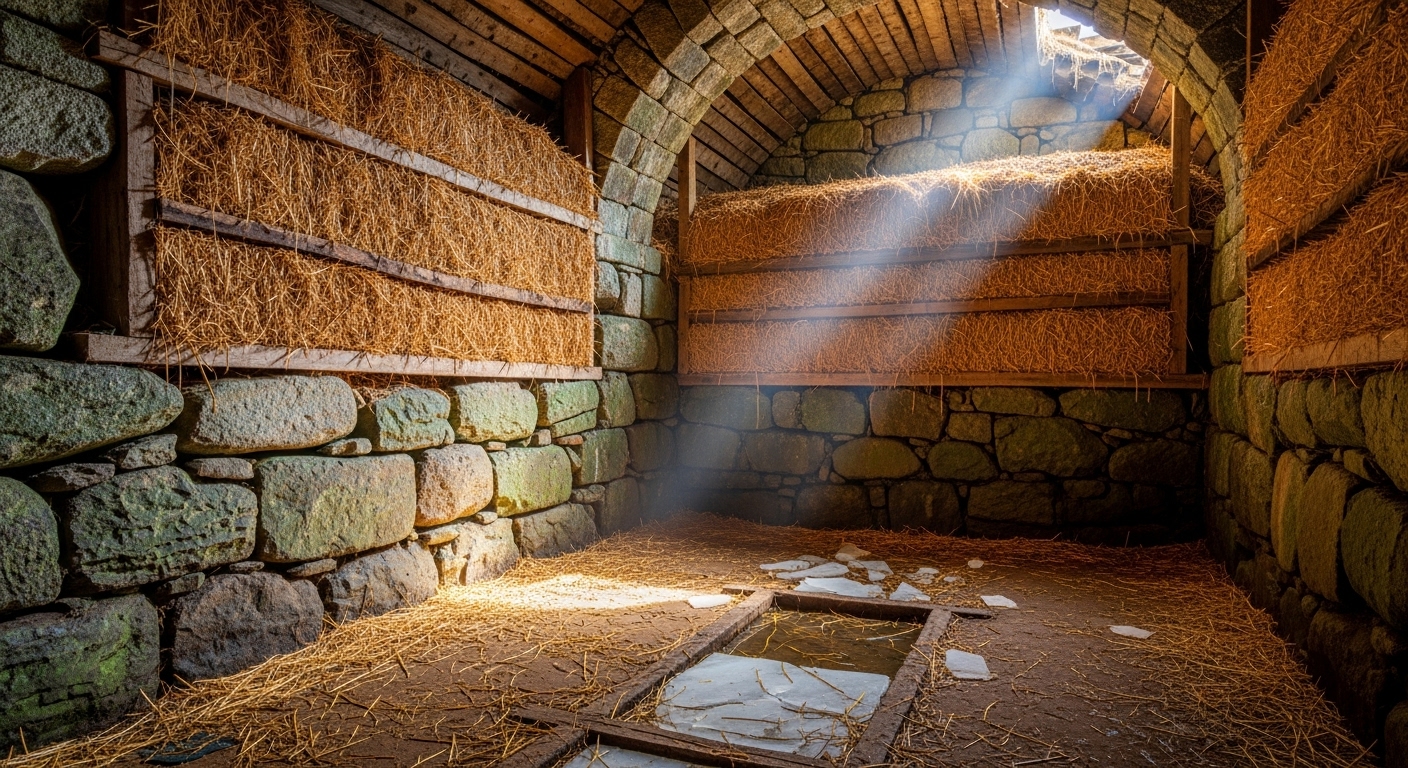
There’s something mesmerizing about stepping into a cool, quiet space that was once used to store ice harvested long before modern refrigeration. Historic ice houses and winter storage museums are living relics of a time when human ingenuity met seasonal challenges. Imagine walking into thick-walled stone structures, feeling the lingering chill, and learning how communities preserved food and ice through harsh winters. For travelers interested in history, architecture, or even culinary heritage, these museums offer a unique lens into the past.
If you’ve ever wondered how people managed to keep ice and perishable goods through the winter months centuries ago, you’re about to discover the fascinating world of historic ice houses and winter storage museums. This guide explores the origins of ice storage, the architecture of these ingenious structures, the best sites to visit around the world, and tips for making your visit educational and immersive. By the end of this article, you’ll understand why these icy time capsules continue to attract curious travelers.
The Origins of Ice Houses
Before the invention of modern refrigeration, storing ice was both an art and a science. Ice houses were specially constructed buildings, often partially or fully underground, designed to insulate ice and maintain low temperatures throughout the year. Ice was typically harvested from frozen lakes or rivers during winter and transported to these storage facilities, where it could last for months. Wealthy estates, breweries, and urban households relied on ice houses to preserve food, cool drinks, and support their businesses during warmer months.
Architecturally, ice houses were built with thick stone or brick walls, sometimes with double-layered insulation, straw, sawdust, or other natural materials. Roofs were often domed or conical to shed water and snow, and entrances were carefully designed to minimize heat transfer. This clever combination of design, material, and placement allowed ice to remain frozen well into summer.
Why Winter Storage Museums Matter
Visiting historic ice houses and winter storage museums provides insight into a world where daily life was intimately tied to the seasons. Museums preserve not only the physical structures but also the stories of communities that depended on ice for survival and commerce. Exhibits often showcase tools used to harvest, transport, and store ice, as well as methods for insulating and maintaining it.
These museums highlight the resourcefulness and ingenuity of past generations, connecting visitors to cultural, economic, and technological history. For food historians, architects, and travelers seeking offbeat experiences, they are both educational and unexpectedly thrilling.
Notable Historic Ice Houses and Winter Storage Museums Worldwide
Several locations around the world preserve ice houses or winter storage facilities, each with unique stories and architectural styles:
- Foster’s Ice House, USA: Located in New England, this restored ice house demonstrates 19th-century ice harvesting techniques and showcases period tools.
- Ice House Museum, Denmark: A cultural heritage site where visitors can see traditional Danish ice storage methods, including underground chambers insulated with straw.
- Ice Cellars in Hungary: Historic ice cellars preserved for centuries, offering guided tours that reveal techniques for storing ice and wine simultaneously.
- Snow Houses in Japan: In rural regions, snow was stored in special mounds called “Yukigura,” later distributed for food preservation. Museums in Niigata preserve this history.
- Scottish Ice Houses, UK: Estates in Scotland maintain 18th- and 19th-century ice houses, often with circular or conical designs, reflecting local building traditions.

How Ice Was Harvested and Stored
Harvesting ice was labor-intensive and often relied on teams working during the coldest months. Workers would cut thick blocks from frozen lakes, rivers, or ponds using saws and specialized tools. These blocks were then transported to ice houses using sleds, carts, or even canals. Once inside the storage facility, the ice was layered with insulating materials such as straw or sawdust to slow melting.
Many ice houses were partially underground to take advantage of the earth’s natural cooling properties. Some featured drainage systems to remove meltwater, ensuring that stored ice could last well into summer. In urban areas, ice was crucial for markets, breweries, and wealthy households, making ice houses essential infrastructure.
Experiencing Historic Ice Houses Today
Visiting a historic ice house or winter storage museum is not just about seeing stone walls and chambers—it’s about stepping back in time. Museums often include demonstrations of ice cutting, interactive exhibits, and even tasting sessions for foods historically preserved using ice. Some sites allow visitors to walk inside large ice storage rooms, feeling the drop in temperature and imagining how people of the past relied on these spaces.
Many museums also contextualize ice houses within broader cultural traditions. For example, winter festivals or harvest celebrations often featured ice harvesting as a communal event, highlighting the social aspects of ice storage. By experiencing these museums, travelers can connect with history in a tangible, sensory way.
Tips for Visiting Ice Houses and Winter Storage Museums
To make the most of your visit, consider these practical tips:
- Check opening hours and seasonal access, as some ice houses may close during summer months.
- Dress in layers; some storage chambers remain surprisingly cold even during warm seasons.
- Bring a camera to capture the unique architecture and interiors.
- Look for guided tours that explain the historical context and demonstrate ice preservation techniques.
- Engage with interactive exhibits and hands-on demonstrations whenever possible.

Combining Ice House Visits With Local Culture
Many ice houses and winter storage museums are located in regions rich with cultural history. Visitors can often combine their trip with:
- Historic estates, castles, or manor houses that originally owned the ice houses
- Traditional markets or breweries that showcase preserved foods or beverages
- Festivals celebrating winter traditions or historical ice harvesting
- Nearby nature reserves or scenic landscapes for a full-day outing
This combination of history, culture, and scenery makes visiting ice houses a well-rounded and memorable experience.
Why These Museums Are Gaining Popularity
Interest in historic ice houses and winter storage museums has grown alongside trends in heritage tourism and experiential travel. People increasingly seek experiences that connect them to local history, craftsmanship, and sustainable practices. These museums provide insight into pre-refrigeration life, illustrating human adaptation and resourcefulness. They also appeal to families, photographers, and history buffs looking for unique, offbeat travel destinations.
Imagine stepping into a cool, quiet chamber, centuries-old ice still lingering in the stone walls. Visiting historic ice houses and winter storage museums is like entering a frozen time capsule, where you can feel the ingenuity of past generations. Have you ever visited an ice house, or is this a new adventure you’d love to try? Share your experiences or plans, and follow WentWorld on social media for more unique travel ideas and hidden historical gems.
Catch up on the top stories and travel deals by subscribing to our newsletter!