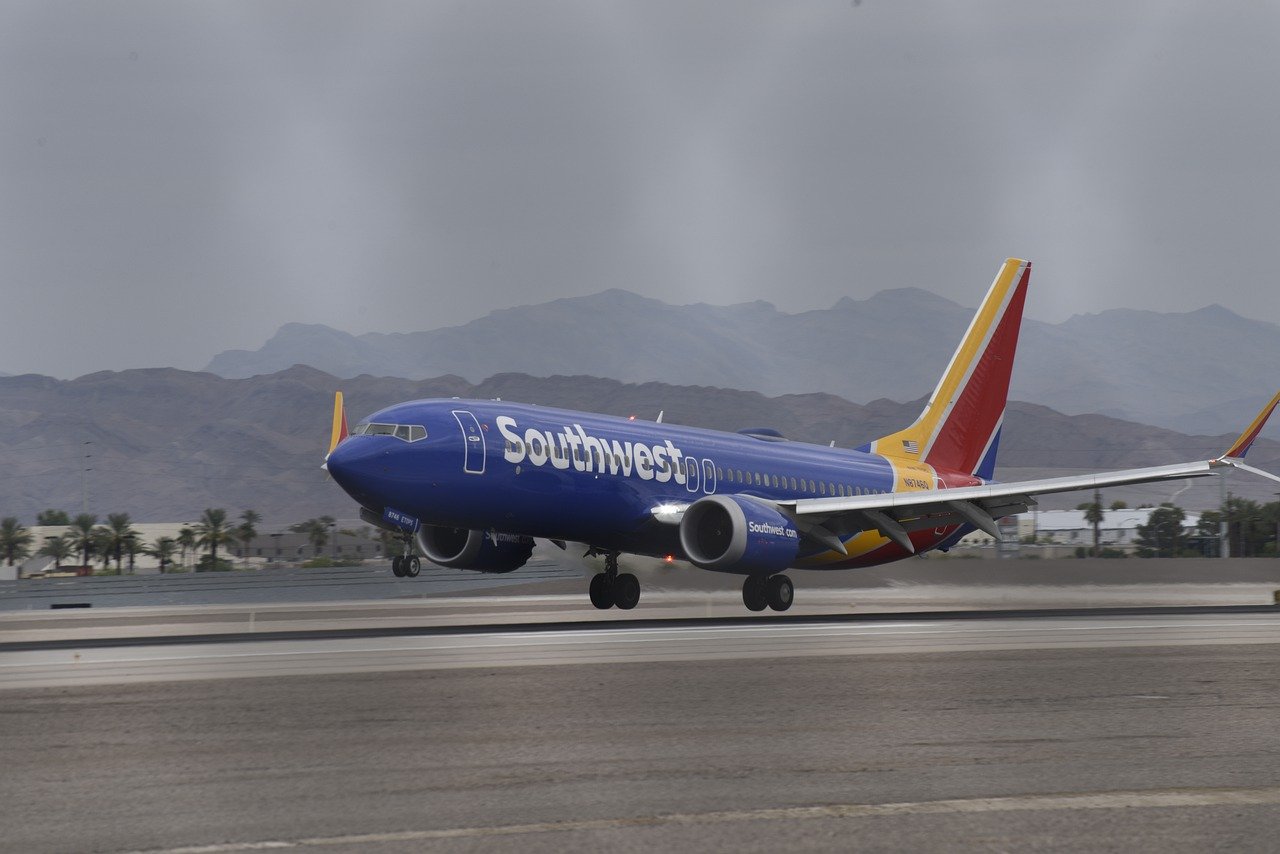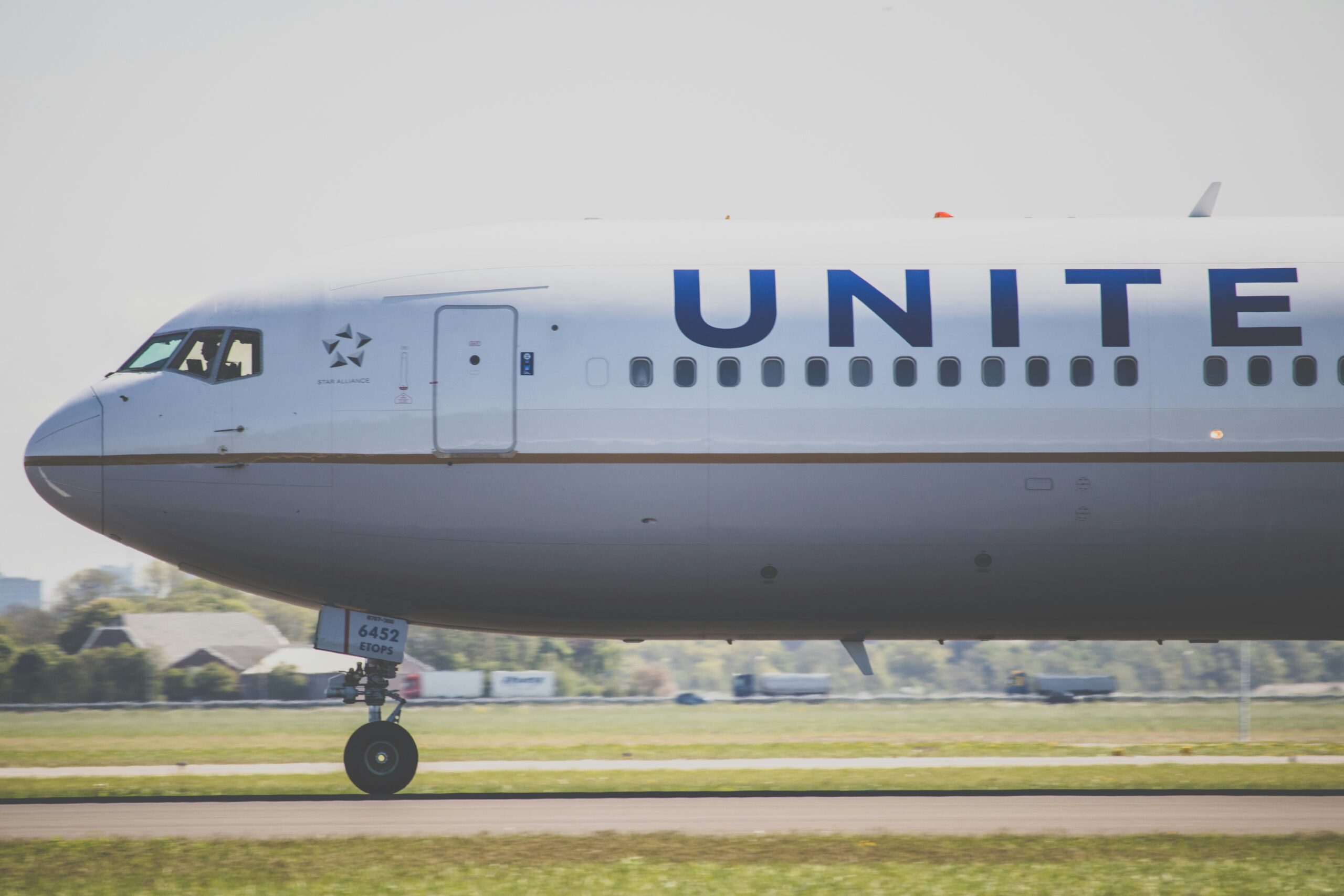
Tensions in the Middle East continue to rise, and now international travel faces serious disruption. As a result, U.S. airlines have paused key routes to protect passengers from increasing regional risks. American, Delta, and United acted quickly to respond to growing instability.
Therefore, United suspended flights between Newark and Dubai. At the same time, American halted its Philadelphia to Doha route. Meanwhile, Delta paused flights from New York to Tel Aviv. Each suspension reflects the dangerous conditions now unfolding across the Middle East.
Since late May, the conflict between Israel and Iran has intensified. Consequently, the region’s airspace has become unsafe for commercial flights. Air corridors over Israel, Iran, Iraq, and Jordan are now closed or severely restricted. Because of that, airlines cannot operate without risking serious safety issues.
Additionally, major carriers outside the U.S. have canceled or adjusted their routes. The entire region faces an aviation crisis. Travelers, therefore, must rethink their plans and expect delays. Airlines are offering support, but limited options make rebooking difficult.
Moreover, governments have issued travel warnings for affected countries. Some are now helping citizens evacuate. As the conflict spreads, safety remains uncertain. Thus, airlines must review risks daily and respond quickly.
The instability shows how political tension can reshape the global travel industry. From now on, airlines will rely on new risk strategies when flying through volatile zones.
Until stability returns, Middle East routes will likely remain suspended. Travelers should monitor updates and prepare to change plans as needed. Airlines may resume service later, but safety will determine the timeline.
In conclusion, the aviation industry must stay flexible. This regional crisis may leave long-lasting impacts on route planning and passenger behavior.
Related stories:
Catch up on the top stories and travel deals by subscribing to our newsletter!