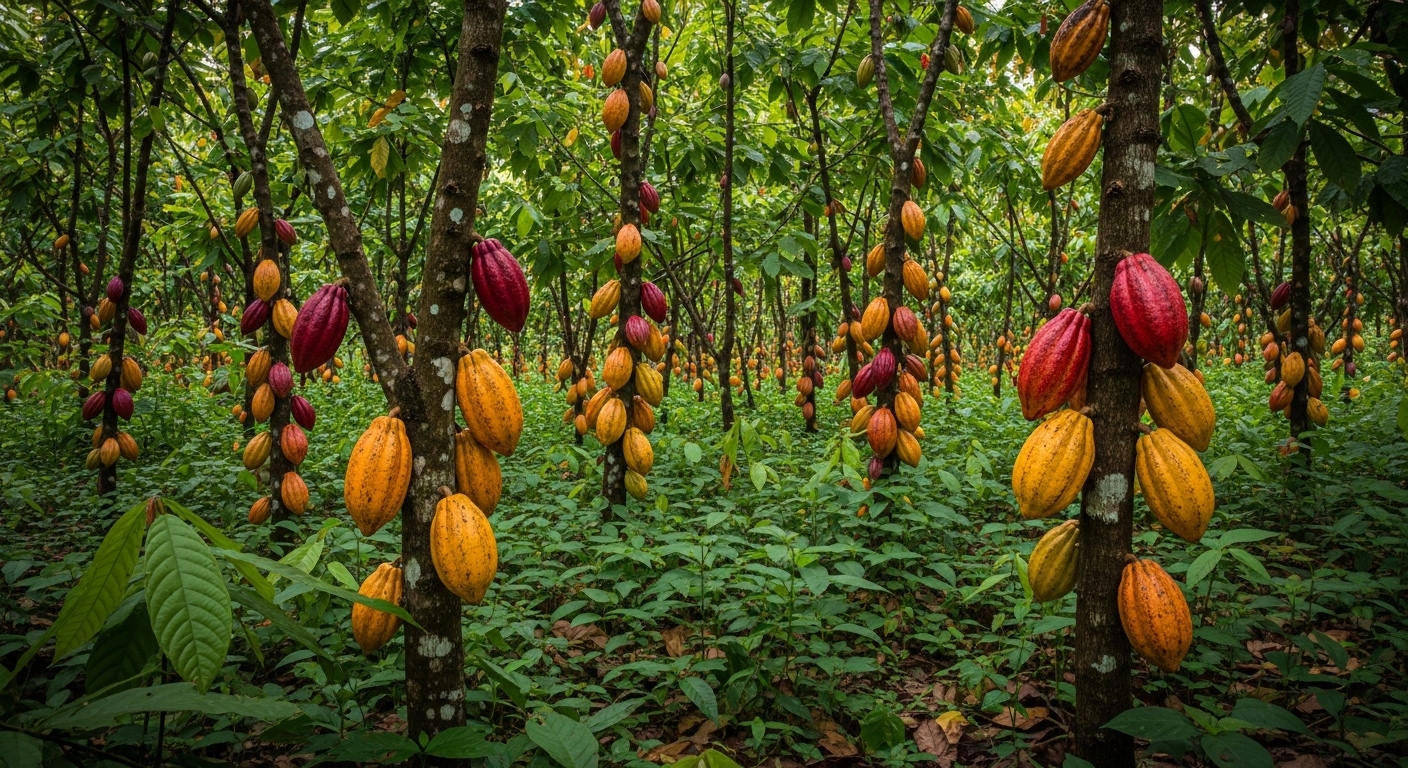
There is something deeply comforting about chocolate, but discovering its story at the source feels completely different. Cacao forest stays allow travelers to step beyond packaging and branding and enter the living world where chocolate truly begins. Instead of opening a wrapper, you walk through humid forests, touch cacao pods growing directly from tree trunks, and learn how raw beans slowly transform into one of the world’s most loved flavors.
Unlike traditional holidays, cacao forest stays are not about luxury hotels or busy itineraries. Rather, they offer immersive experiences rooted in nature, culture, and learning. Through hands-on workshops, travelers witness every step of the journey from pod to cup. As a result, chocolate stops being a product and becomes a story.
Have you ever wondered how many stages exist between a bitter cacao bean and a smooth chocolate drink? More importantly, have you ever experienced food in a way that felt emotional rather than transactional?
Why Cacao Forest Stays Are Gaining Popularity
Over the last decade, travel preferences have shifted significantly. While sightseeing still matters, many travelers now seek connection, meaning, and participation. Cacao forest stays respond perfectly to this shift by blending education with experience.
In countries such as Costa Rica, Ecuador, Peru, Colombia, Ghana, and Indonesia, cacao grows naturally within rainforest ecosystems. Because of this, farms often double as eco-lodges and learning centers. Visitors stay in wooden cabins, eat locally grown food, and spend their days surrounded by cacao trees.
Instead of consuming destinations, travelers become part of them. Consequently, cacao tourism feels less like observation and more like belonging.
Understanding the Pod to Cup Process
At the heart of cacao forest stays are pod to cup workshops. These sessions guide visitors through the complete chocolate-making process using both traditional and modern techniques.
First, ripe cacao pods are harvested using machetes or knives. Inside each pod are dozens of white, sticky beans covered in sweet pulp. Although surprising, these beans taste fruity rather than chocolaty at this stage.
Next, fermentation begins. This step is essential because it develops the flavors that later define chocolate. After several days, the beans are dried under sunlight, then roasted, peeled, and ground into paste.
Eventually, water or milk is added to create rich cacao drinks. In many workshops, travelers also learn how to make chocolate bars, truffles, or ceremonial cacao. Through every stage, the slow rhythm of the process encourages patience and appreciation.
Most visitors leave with a new respect for chocolate, realizing how much human effort hides behind every bite.

The Sensory Experience of Cacao Forest Living
Cacao forests feel alive in subtle ways. Rather than uniform plantations, they are layered ecosystems filled with insects, birds, medicinal plants, and fruit trees. Because cacao thrives under shade, taller trees protect it from harsh sunlight.
As a result, staying in these forests engages all five senses. The air smells of wet soil, fermenting beans, and tropical leaves. Meanwhile, the sounds of monkeys, insects, and rainfall replace urban noise.
Touch becomes meaningful as well. The rough texture of cacao pods, warm clay cups, and wooden grinding tools transform ordinary actions into rituals.
Have you ever visited a place where your senses felt more engaged than your phone camera?
Costa Rica and Central American Experiences
Costa Rica stands out as a global leader in cacao tourism. Indigenous communities such as the Bribri and Cabécar tribes have cultivated cacao for centuries, long before it became a global commodity.
Through partnerships with platforms like Visit Costa Rica, travelers can participate in ethical cacao experiences rooted in ancestral knowledge. Often, workshops include storytelling, traditional music, and cacao ceremonies.
During these ceremonies, participants drink pure cacao while reflecting or meditating. Consequently, chocolate becomes spiritual rather than indulgent.
South America’s Cacao Heritage
South America is widely considered the birthplace of cacao. Ecuador’s Arriba Nacional cacao, for instance, is famous for its floral notes and complex flavor profile.
In Peru, cacao forest stays combine Amazon trekking with chocolate workshops. According to Peru Travel, cacao routes are becoming a major part of sustainable tourism strategies.
These experiences often involve river transport, jungle lodges, and family-run farms. Therefore, visitors gain both historical insight and cultural immersion.
Africa’s Emerging Chocolate Tourism
Although West Africa produces over 70 percent of the world’s cacao, tourism remains limited. However, countries like Ghana are slowly opening cacao regions to responsible visitors.
Supported by organizations such as World Cocoa Foundation, farmers host educational stays focused on sustainability and fair trade.
Unlike polished tourist experiences, these stays feel raw and honest. As a result, travelers develop a realistic understanding of global supply chains.
Sustainability and Ethical Impact
Cacao forest stays actively support regenerative agriculture. Many farms practice agroforestry, growing cacao alongside bananas, coffee, spices, and medicinal plants.
This approach protects biodiversity while preventing deforestation. Additionally, farmers benefit from diversified income streams.
Platforms like Responsible Travel promote cacao tourism as a model for ethical travel. When done correctly, tourism strengthens communities rather than exploiting them.

The Emotional Side of Chocolate Travel
Surprisingly, the strongest memories from cacao forest stays are not flavors, but faces. Travelers remember the farmer who taught fermentation, the child who offered fresh cacao pulp, and the grandmother who shared her grinding stone.
Through these interactions, chocolate becomes personal. In many cases, people report feeling calmer, more grounded, and more aware of consumption habits.
Have you ever eaten something and remembered the story behind it more than the taste?
Practical Tips for Travelers
Because cacao forests exist in humid regions, lightweight clothing, insect protection, and waterproof shoes are essential.
Electricity and internet may be limited. For this reason, many stays encourage digital detox. Meals are typically plant-based and sourced locally.
Airlines such as Avianca and LATAM offer routes to cacao-producing regions.
Why Cacao Forest Stays Represent the Future of Travel
Travel is moving from consumption to participation. People want to learn, contribute, and feel connected.
Cacao forest stays combine agriculture, sustainability, wellness, and culture into one experience. Instead of marble floors, luxury becomes knowledge, silence, and authenticity.
Cacao forest stays ultimately offer something rare: a journey that changes how you taste the world.
We would love to hear from you. Would you choose a cacao forest stay over a traditional resort? What hands-on travel experiences have shaped your perspective?
If meaningful journeys inspire you, follow WentWorld on our social media platforms for more stories that celebrate experiential travel across the globe.
Catch up on the top stories and travel deals by subscribing to our newsletter!