Every city hides secrets, and for travelers who enjoy exploring beyond the obvious, few experiences rival discovering hidden train platforms that locals use but tourists miss. These platforms often sit quietly in busy stations, overlooked by guidebooks, yet they form the backbone of daily urban commuting. From shortcuts to less crowded boarding areas, they reveal how locals navigate cities efficiently while tourists remain unaware.
Imagine arriving at a station and noticing a quiet side platform bustling with commuters while the main platforms overflow with tourists. The contrast highlights the city’s rhythm that many visitors never see. In this article, WentWorld.com uncovers these hidden train platforms, their histories, and why they offer travelers an authentic glimpse of urban life.
The Concept Behind Hidden Train Platforms
Hidden train platforms exist in large metropolitan transit networks, often serving very practical purposes. They might be older platforms bypassed by official guides, side entrances connecting lines, commuter-only boarding areas, or express-service tracks. Each of these platforms allows locals to move through the city with ease, often avoiding the congestion common on main platforms.
These spaces frequently offer a more genuine snapshot of city life. Residents, street performers, and local vendors animate the platforms with activity that tourists rarely witness. Observing this scene gives visitors a unique perspective on how urban dwellers experience their daily commute.
Iconic Examples Around the World
Many cities have hidden platforms that remain largely unknown to travelers. Notable examples include:
- London, UK: Platforms like the seldom-seen Platform 0 at St Pancras or disused Underground sections offer locals quick transfers and a way to avoid crowds.
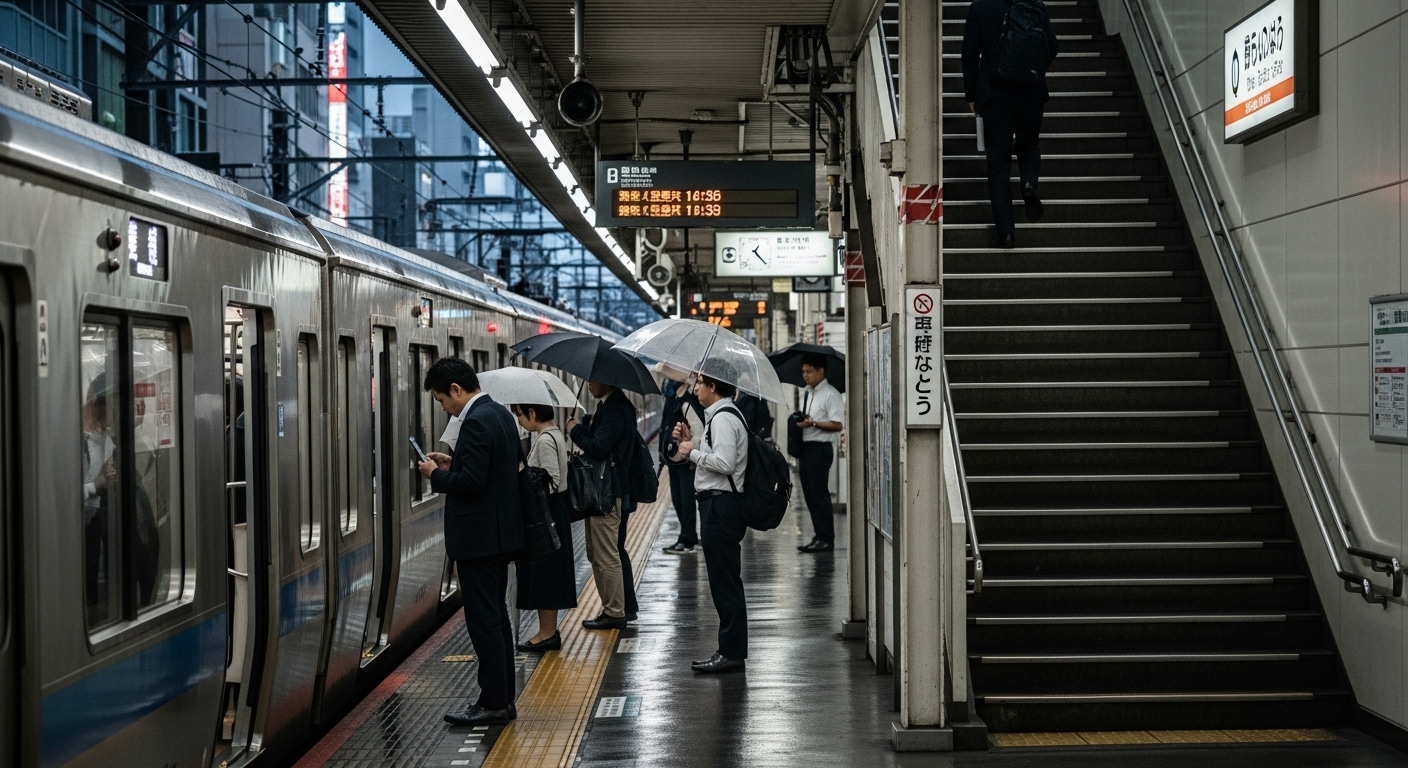
- Tokyo, Japan: This city’s intricate rail network includes commuter-only entrances at major stations such as Shinjuku and Shibuya. Many smaller platforms connect local lines, providing speed and convenience for residents. Insights can be found via Japan Travel UK.
- New York City, USA: Hidden tracks in Grand Central Terminal and Penn Station serve express trains or maintenance purposes. Track 61 in Grand Central, for instance, has historical significance but remains largely unseen by tourists.
- Paris, France: The Paris Métro features “ghost stations,” some of which still function for commuters but are rarely listed in travel guides. Stations like Porte des Lilas offer an intriguing mix of history and utility.
- Berlin, Germany: Several S-Bahn platforms in Berlin are underused by tourists but remain essential for residents seeking faster commutes, especially near Alexanderplatz.

Why These Platforms Remain Hidden
Several factors explain why these platforms stay off tourists’ radars. Some were part of older transit expansions, others were built exclusively for commuters. Certain areas are semi-public, so visitors can access them only if they know the correct entrances. Additionally, some platforms remain functional for operational needs, such as freight or express services, which makes them less visible to casual travelers.
Consequently, these hidden platforms create a sense of exclusivity. Travelers who discover them gain insight into the city’s daily life, observing how locals maneuver through complex transit systems with skill and efficiency.
Benefits of Exploring Hidden Train Platforms
Visiting these secret spaces offers numerous advantages. First, travelers encounter authentic urban life away from tourist-heavy areas. Second, hidden platforms often provide faster connections or shortcuts, saving valuable commuting time. Third, the architecture and signage reflect historical layers of the city, offering both educational and photographic opportunities. Lastly, commuters’ routines, street performers, and vendors enrich the cultural experience.
For instance, Track 61 in New York or disused tunnels in London not only serve practical transit functions but also preserve a slice of history. Observing them helps travelers understand how cities have evolved over decades. Does exploring these spaces make a city feel more alive to you?

Tips for Tourists to Find Hidden Platforms
Travelers can safely discover hidden platforms by following a few strategies. Research transit blogs, local guides, and forums before your trip. Pay attention to local commuter patterns and observe entrances that locals frequently use. Side staircases and less prominent doors often lead to hidden areas. Mobile transit apps are helpful for checking platform assignments for express or local trains. Above all, respect signs and restricted areas to ensure safety.
Would you try taking a hidden route to experience the city like a local, even if it meant venturing off the main tourist path?
Local Stories Behind Hidden Platforms
Many hidden platforms have compelling histories. London’s disused Underground sections served as shelters during World War II. Track 61 in Grand Central was once used exclusively for President Roosevelt. In Tokyo, commuter-only platforms reflect the city’s efficiency-focused culture. These stories offer travelers a tangible connection to local history and everyday life.
Challenges and Considerations
Exploring hidden platforms requires care. Not all areas are open to the public. Travelers must consider security checkpoints, limited lighting, fast-moving trains, and heavy commuter traffic during peak hours. Awareness and respect for the space ensure that visitors can enjoy the experience safely without disturbing locals.
The Future of Hidden Platforms in Urban Transit
As cities expand and modernize, some hidden platforms will be renovated or repurposed, while others will remain secret gems for commuters. Integrating these areas into guided tours or cultural storytelling could allow tourists to safely explore them while preserving local access. Imagine a city walk that includes hidden platforms, revealing layers of history, architecture, and commuter culture. Wouldn’t that elevate your travel experience?
We’d love to hear from you: Have you ever stumbled upon a hidden train platform while traveling? Or do you know a secret transit route in your own city? Share your experiences in the comments below.
Follow WentWorld.com on social media for more hidden city gems, secret travel experiences, and authentic urban insights.
Catch up on the top stories and travel deals by subscribing to our newsletter!