There are few travel experiences that feel genuinely surprising anymore, but amphibious bus tours: from street to sea manage to do exactly that. One moment you are cruising through busy city streets, passing landmarks and neighborhoods, and the next moment your vehicle splashes straight into the water—without stopping, switching transport, or breaking the rhythm of the journey.
Amphibious bus tours blur the line between land and water travel. They combine sightseeing buses with boats, creating a seamless experience that feels equal parts practical, theatrical, and thrilling. For travelers who love unique urban experiences, these tours offer something memorable: a city tour that quite literally changes perspective mid-journey.
Have you ever wondered what it feels like to drive into a river on purpose, legally, and safely? That moment alone makes amphibious bus tours unforgettable.
What Are Amphibious Bus Tours?
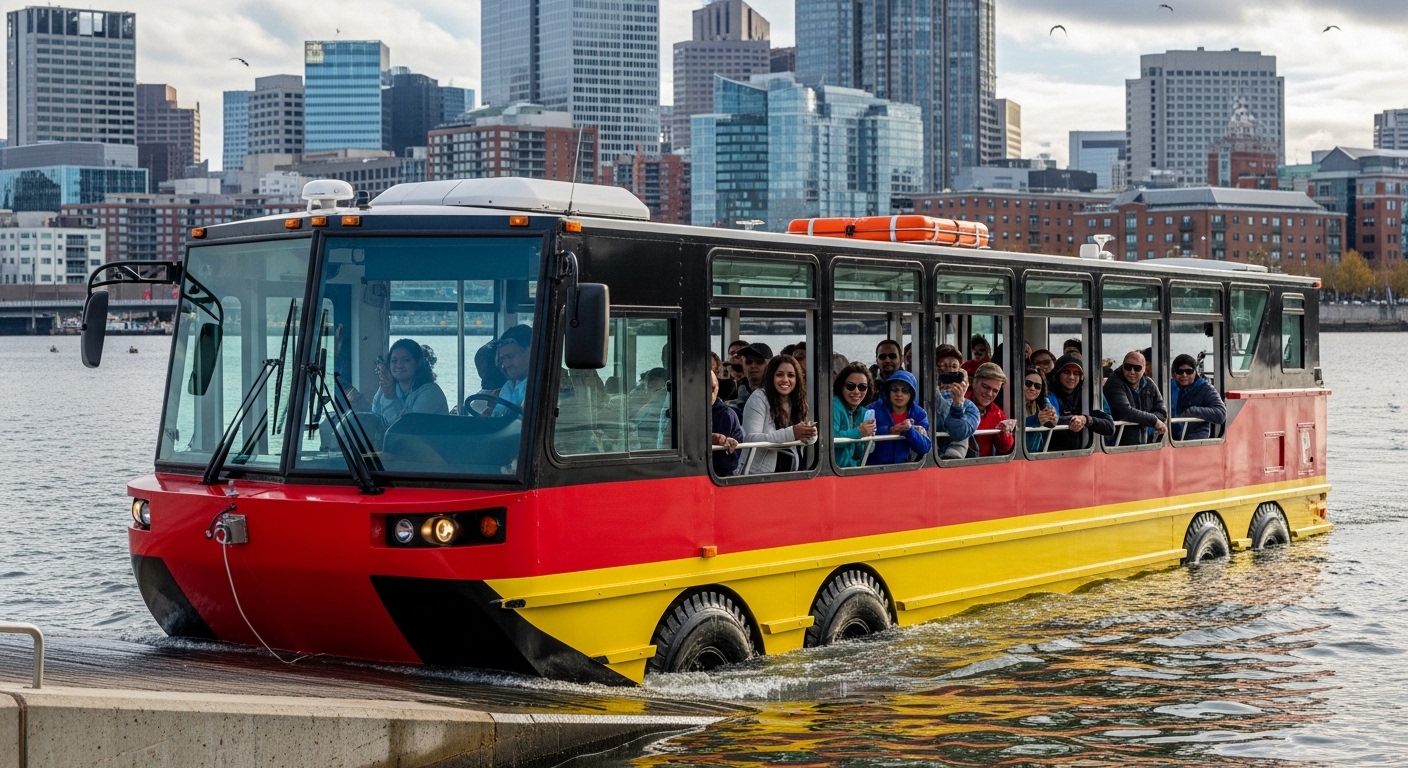
Amphibious bus tours use specially engineered vehicles designed to operate both on roads and in water. These vehicles look like buses but are built with waterproof hulls, marine propulsion systems, and retractable wheels. Once the bus reaches a designated water entry point, the wheels lift, propellers engage, and the vehicle becomes a boat.
Unlike ferries or sightseeing boats that require boarding docks, amphibious buses allow passengers to remain seated for the entire journey. This continuity makes them ideal for tourists who want to experience both city streets and waterways without logistical interruptions.
Amphibious bus tours: from street to sea are now popular in coastal cities, river cities, and historic ports where waterways play an essential role in urban identity.
Why Amphibious Tours Are So Popular With Travelers
Travelers are increasingly drawn to experiences that feel immersive and slightly unexpected. Amphibious bus tours check all those boxes.
First, there is the novelty factor. Watching pedestrians react as your bus calmly enters the water never gets old. Second, there is the efficiency. You see more of the city in less time, combining land-based landmarks with waterfront views. Third, there is accessibility. These tours are often family-friendly and suitable for travelers who may not want separate walking and boat tours.
Would you prefer one seamless experience over juggling multiple tours during a short city stay?
How Amphibious Buses Are Engineered for Safety
Safety is often the first concern travelers have when considering amphibious vehicles. These buses are not modified afterthoughts; they are purpose-built machines that meet both road vehicle and maritime safety regulations.
They undergo rigorous inspections, flotation testing, and crew training. Drivers are often licensed both as commercial drivers and marine operators. Emergency equipment, life jackets, and communication systems are standard onboard features.
Cities that permit amphibious tours enforce strict entry points and weather restrictions, ensuring that tours operate only under safe conditions.

Top Cities Offering Amphibious Bus Tours
Several cities around the world have become famous for amphibious bus tours: from street to sea. Each destination offers its own unique blend of architecture, history, and waterfront scenery.
Boston, USA
Boston’s Duck Tours are among the most famous amphibious tours globally. Operating since World War II-era vehicle designs, these tours explore historic neighborhoods before splashing into the Charles River. Visitors can learn more through Boston’s official tourism site.
Amsterdam, Netherlands
With its iconic canals, Amsterdam is perfectly suited for amphibious sightseeing. Tours glide past historic houses and then enter the water for canal views usually reserved for boats. Information about city attractions can be found at I Amsterdam.
Singapore
Singapore’s amphibious tours showcase both modern cityscapes and Marina Bay views. The smooth transition from city streets to water highlights Singapore’s urban planning and coastal design.
Liverpool, UK
In Liverpool, amphibious tours focus on maritime heritage, docks, and river history along the River Mersey. These tours offer insights into the city’s shipping legacy and waterfront transformation.
Budapest, Hungary
Budapest offers a dramatic amphibious experience along the Danube, blending grand architecture with river panoramas. It’s a striking way to experience the city’s layered history.
What You’ll Experience On Board
Amphibious tours are as much about storytelling as transportation. Guides often mix historical facts, humor, local legends, and fun commentary to keep passengers engaged.
You’ll pass famous landmarks on land, then see them again from the water—often from a completely different angle. Bridges feel taller, buildings more majestic, and city noise fades into calm reflections.
Many travelers say the water portion feels almost meditative compared to the energy of city streets. Which part do you think you would enjoy more?
Who Should Try Amphibious Bus Tours?
These tours appeal to a wide range of travelers:
- First-time visitors who want a broad overview of a city
- Families looking for engaging, kid-friendly experiences
- Travelers with limited time
- Photography enthusiasts seeking unique perspectives
- History lovers interested in waterfront development
If you enjoy experiences that combine learning, comfort, and surprise, amphibious tours are worth considering.

Environmental Impact and Sustainability
Modern amphibious buses are increasingly designed with sustainability in mind. Newer models focus on fuel efficiency, reduced emissions, and quieter marine propulsion to minimize disruption to aquatic ecosystems.
Some cities integrate amphibious tours into broader sustainable tourism strategies, limiting tour numbers and routes to protect waterways.
Do you think unique tourism experiences should always balance excitement with environmental responsibility?
Challenges and Limitations
Despite their appeal, amphibious bus tours are not suitable for every city. They require specific infrastructure, calm waterways, and regulatory approval. Weather conditions can also affect operations, particularly in rough seas or strong river currents.
Additionally, these tours are not meant for high-speed water travel. They focus on sightseeing rather than adrenaline, making them best suited for relaxed exploration.
The Future of Amphibious Bus Tours
The future of amphibious bus tours: from street to sea looks promising as cities search for innovative ways to showcase their identity. Advances in electric propulsion and hybrid systems may soon make these vehicles even more sustainable.
As travelers seek experiences that are both efficient and memorable, amphibious tours are likely to expand to new destinations worldwide.
Would you add an amphibious bus tour to your travel itinerary, or have you already experienced one? Share your thoughts and stories in the comments below.
Follow WentWorld.com on our social media platforms for more unique travel experiences, city stories, and unconventional adventures from around the world.
Catch up on the top stories and travel deals by subscribing to our newsletter!