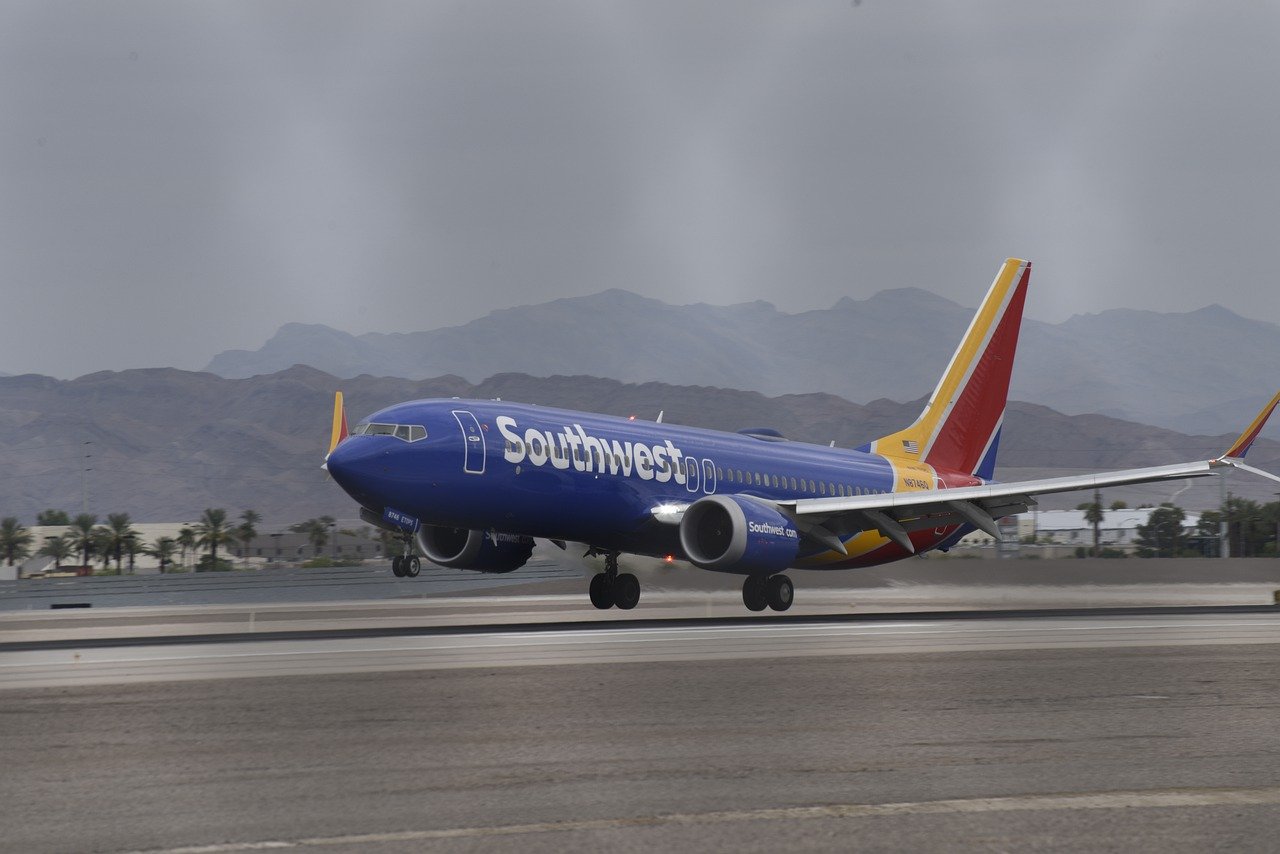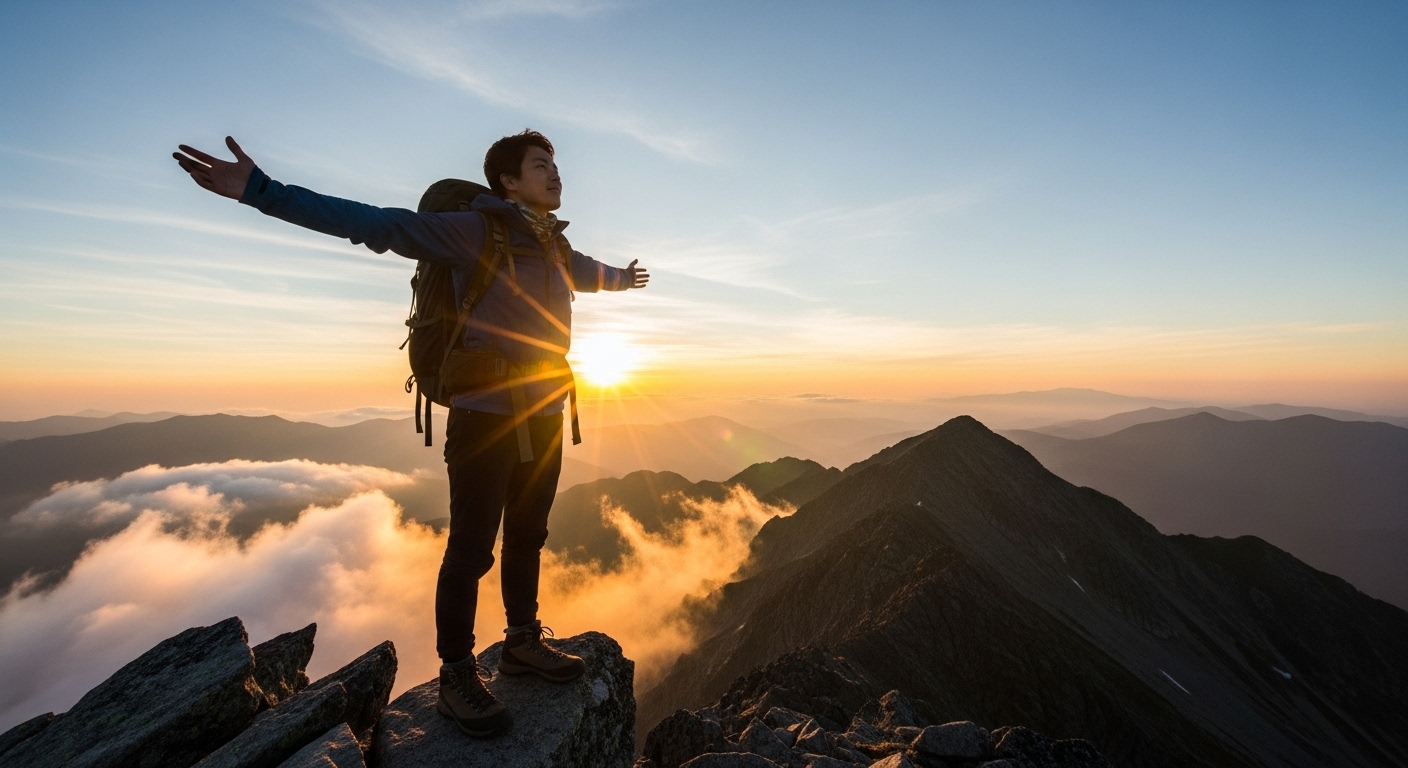
Have you ever felt that irresistible urge to pack your bags, leave everything behind, and set off for somewhere new—even if you don’t know exactly where? That feeling has a name: wanderlust. It’s more than just wanting a vacation; it’s the deep psychological drive to explore, discover, and experience the unknown. In fact, many psychologists argue that The Psychology of Wanderlust: Why Travel Makes You Feel Alive can explain why humans have always been drawn to movement, adventure, and discovery.
Think about it: when was the last time you felt truly alive? Was it sitting at your desk, staring at a computer screen, or was it while exploring a bustling market in another country, climbing a mountain trail, or watching the sunset in a place you had never been before? For most of us, the answer is simple—travel brings life into focus. But why? Let’s unpack the fascinating psychology behind wanderlust.
The Science of Wanderlust
Scientists and psychologists have been intrigued by wanderlust for centuries. At its core, wanderlust ties to our evolutionary history. Humans were nomadic for most of history, constantly moving to survive, explore, and adapt. That ancient drive still pulses within us today. Some researchers even suggest there may be a “wanderlust gene,” known as DRD4-7R, which is linked to novelty-seeking behavior. People with this genetic variation are more likely to crave adventure, risk, and exploration.
Does this mean some people are literally born to travel more than others? Quite possibly. But even without the gene, most of us feel that spark when it comes to seeing something new—it’s hardwired into what makes us human.
Why Travel Makes You Feel Alive
So, why does travel make us feel more alive compared to everyday routines? The answer lies in psychology and biology. When we travel, our brains release dopamine, the “feel-good” chemical associated with reward and excitement. This is why you feel that rush of happiness when you step into a new city, hear a language you don’t understand, or taste a dish you’ve never tried before.
Travel also heightens our senses. Think about the smell of street food in Bangkok, the sound of waves crashing in Bali, or the sight of colorful markets in Morocco. These sensory overloads awaken parts of our brain that often go dormant in daily life. Isn’t it fascinating how stepping into the unknown can reawaken parts of ourselves we didn’t even realize were asleep?
Breaking Free from Routine
Another reason travel makes us feel alive is its ability to break us free from routine. Daily life can sometimes feel like an endless cycle: wake up, work, eat, sleep, repeat. While routines can provide comfort, they can also dull our sense of wonder. Travel disrupts this pattern and injects novelty into our lives. Suddenly, even small things—like navigating foreign public transport or ordering food in another language—become thrilling adventures.
Have you ever noticed how time seems to move slower when you’re traveling? That’s because new experiences create stronger memories. Psychologists call this the “holiday paradox”—we feel like our trips fly by, but when we look back, those memories feel richer and longer than our regular days.
Travel as a Path to Growth
One of the most powerful aspects of The Psychology of Wanderlust: Why Travel Makes You Feel Alive is how it shapes us as individuals. Travel pushes us out of our comfort zones. Whether it’s overcoming language barriers, trying foods you’ve never heard of, or navigating new cultures, each experience challenges and grows you. Studies show that people who travel frequently are often more adaptable, creative, and empathetic.
Ask yourself this: how much have you learned about yourself from travel? Maybe you discovered patience when your flight was delayed, or confidence when you managed to find your way through a foreign city. Travel teaches us life lessons that no classroom ever could.
Wanderlust and Connection
At first glance, wanderlust might seem like a personal craving. But the truth is, travel connects us—to people, to places, and to the world itself. Every trip is an opportunity to meet strangers who become friends, to share meals with locals, to understand traditions and perspectives that broaden our worldview.

In a way, wanderlust is not just about escaping—it’s about connecting. It makes us realize that no matter where we go, humanity shares the same basic desires: love, family, happiness, and belonging. Doesn’t that make the world feel a little smaller and warmer?
The Dark Side of Wanderlust
Of course, it’s worth acknowledging that wanderlust isn’t always sunshine and plane tickets. For some, it can create a constant feeling of restlessness, or even dissatisfaction with “normal life.” There’s a danger of always chasing the next adventure without appreciating the present. That’s why balance is so important—embracing the spirit of wanderlust while still finding meaning and joy in daily life.
Ask yourself: do you use travel as an escape, or as a way to enrich your life? The answer can reveal a lot about your relationship with wanderlust.
Making Wanderlust Work for You
So, how can you harness wanderlust in a positive way? The key lies in integrating it into your lifestyle. You don’t have to book a flight every time wanderlust hits—you can explore your own city, discover hidden gems nearby, or even try cuisines from other countries at local restaurants. Travel doesn’t always have to mean distance; sometimes it just means curiosity.
And when you do take those bigger trips, embrace them fully. Put down your phone, savor the moment, and let yourself be completely immersed. After all, The Psychology of Wanderlust: Why Travel Makes You Feel Alive reminds us that these experiences are not just hobbies—they’re vital to our sense of purpose and joy.
Wanderlust is not just a trendy word on Instagram; it’s a reflection of something deeply human. It’s that spark inside us that says, “there’s more out there—go find it.” It’s why travel makes us feel alive, why we crave new horizons, and why the world feels more colorful when we step into the unknown.
So tell us—what does wanderlust mean to you? Is it a constant drive, a once-in-a-while craving, or simply a reminder to stay curious? We’d love to hear your thoughts and stories. Share your wanderlust moments with us—we’re listening!
And if this blog inspired you, don’t forget to follow WentWorld on our social media platforms for more insights, travel stories, and inspiration to keep your wanderlust alive.
Catch up on the top stories and travel deals by subscribing to our newsletter!