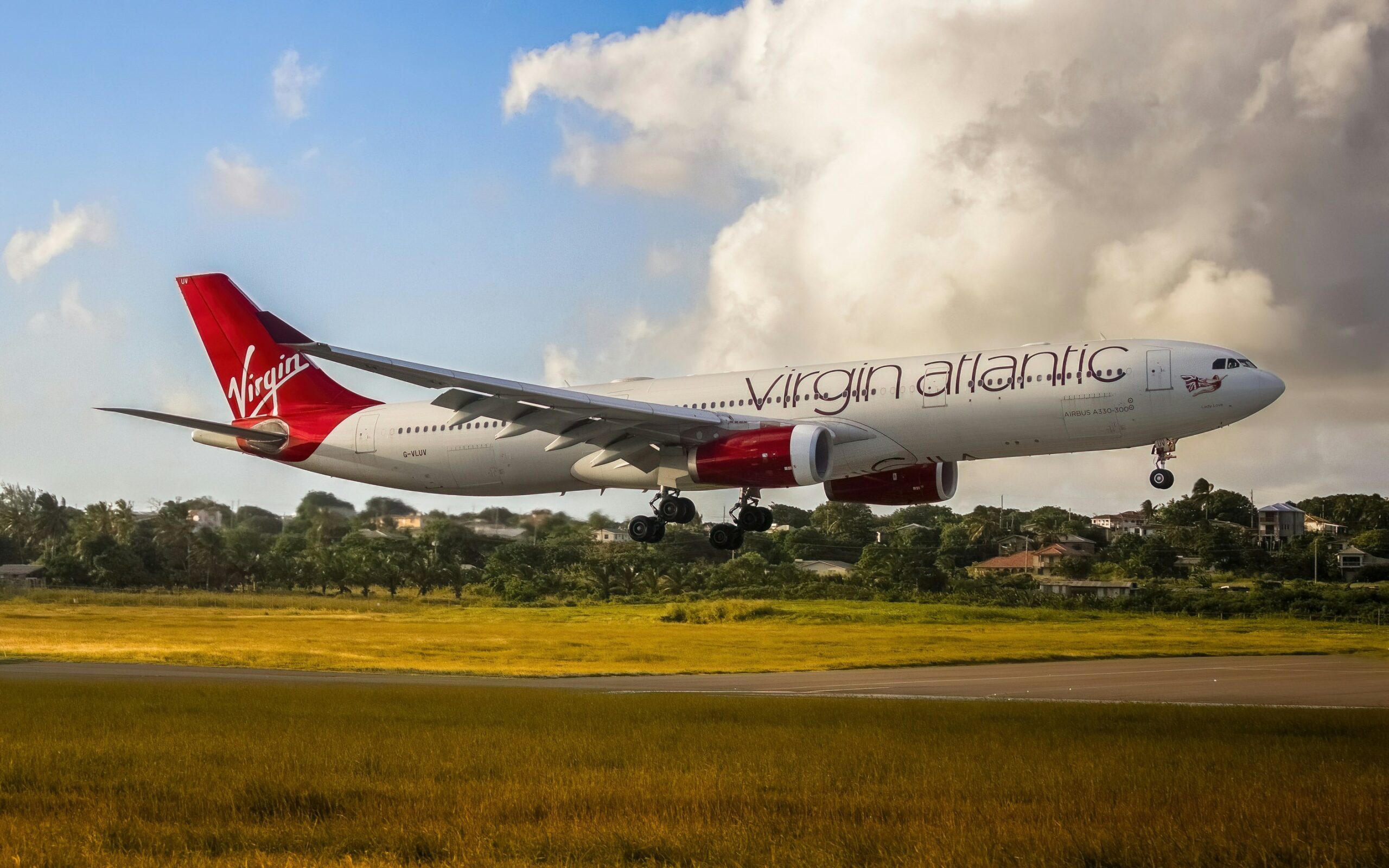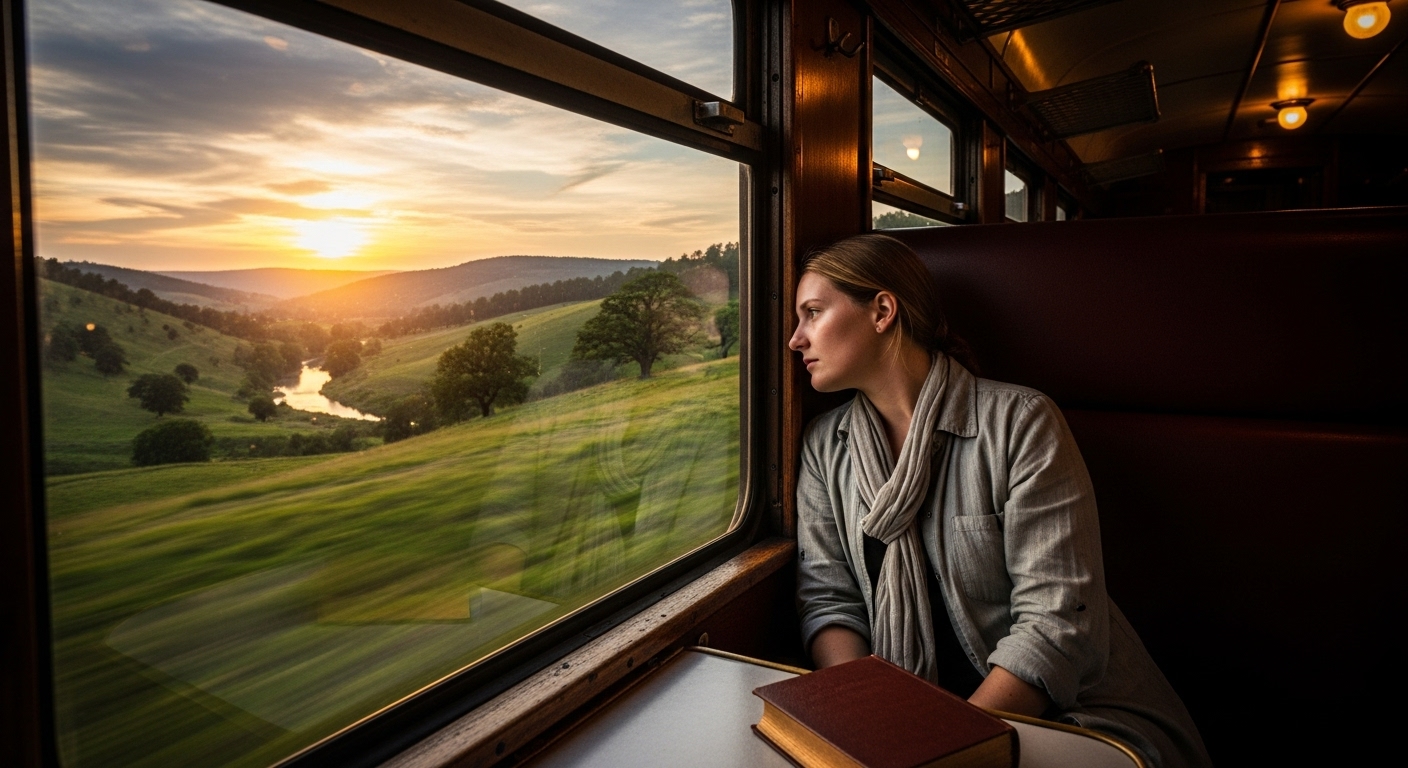
Have you ever noticed how a week-long trip can feel so much longer than a week at home? When you travel, every day seems packed with new sights, tastes, and experiences, and somehow, time stretches in ways that don’t make sense. Scientists call this phenomenon “time perception,” and it’s deeply tied to how our brains process novelty, memory, and attention. Today, let’s dive into the fascinating science of why travel feels like time slows down, and why those moments abroad stick with us so vividly.
Why Our Brains Play Tricks With Time
In everyday life, routines dominate. You wake up, head to work or school, repeat tasks you’ve done hundreds of times, and your brain goes into autopilot. Days blur together, and suddenly weeks or even months have flown by. But when you travel, routines vanish. Your senses are bombarded with new information—new languages, foods, landscapes—and your brain has to work harder to process it all. That effort stretches the perception of time. In short, novelty slows things down.
The Role of Memory in Time Perception
Here’s something interesting: psychologists say our sense of how much time has passed is heavily influenced by memory. At home, you might remember only a few “standout” events from a week, like a dinner with friends or a movie night. But on vacation, almost everything feels memorable. Every small detail, from navigating a new metro system to trying street food, gets logged in your memory bank. The more memories we make, the fuller time feels in hindsight.
Attention: The Secret Ingredient
Another factor is attention. When you’re fully engaged, time perception changes. Think about the last time you watched a sunset on a beach—did it feel like time stood still? Travel forces you into the present moment. Since everything is new, you’re less likely to multitask or get lost in thought. Your attention sharpens, and in doing so, time expands.
Why Firsts Matter
Do you remember your first plane ride? Your first time tasting an unfamiliar dish? Your first time seeing a famous landmark? “Firsts” stick in our brains more deeply than familiar experiences. Travel often delivers a cascade of firsts in quick succession, which exaggerates the effect of time slowing down. Scientists even call this the “holiday paradox”—time feels fast while it’s happening, but when you look back, it feels like it lasted much longer.

Can You Hack Time Without Traveling?
Here’s a fun thought: do we really need a passport stamp to feel time expand? Maybe not. Experts say we can replicate the “travel effect” by breaking routines, trying new activities, and pushing ourselves into unfamiliar situations. That could mean exploring a new neighborhood in your city, learning a new recipe, or even taking a different route to work. Novelty and mindfulness are key—two things travel naturally provides, but that we can create ourselves.
Why This Matters for Our Wellbeing
In a world where so many of us feel like time is slipping through our fingers, understanding why travel feels like time slows down is powerful. It’s not just about vacations—it’s about how we live our everyday lives. If we actively seek out newness, we can make our lives feel richer, fuller, and more memorable. Travel teaches us to savor moments, and that mindset can transform even ordinary days.
Next time you plan a trip, notice how your brain stretches time with every new experience. And if you’re not traveling, challenge yourself to break free of the ordinary—because life feels longer when it’s filled with novelty. What’s a travel experience that made time feel like it slowed down for you? Share your story in the comments below—we’d love to hear from you.
Don’t forget to follow WentWorld on our social media platforms for more travel inspiration, hidden gems, and fascinating science-backed insights into the way we experience the world.
Catch up on the top stories and travel deals by subscribing to our newsletter!